
Verisilicon DC8200 & Coreboot Framebuffer Drivers Sent To DRM-Next For Linux 7.1
New Graphics Drivers and NVIDIA Improvements Arrive in Linux 7.1 Kernel Development
The Linux kernel’s graphics subsystem is receiving a significant boost with the first DRM-Misc-Next pull request for the upcoming Linux 7.1 kernel, slated for mid-year release. This early development phase has introduced two entirely new display drivers alongside crucial improvements to existing open-source graphics solutions, particularly for NVIDIA hardware.
Verisilicon DC8200: RISC-V Display Innovation
The first notable addition is the Verisilicon DC8200 display driver, marking a significant milestone for RISC-V architecture adoption in mainstream computing. This driver is initially being deployed on the T-Head TH1520 SoC, providing HDMI display output capabilities for this emerging processor architecture. The DC8200 IP is also utilized by the StarFive JH7110 SoC, though support for that platform is still under development for this initial release.
This development represents more than just another display driver—it’s a crucial step in establishing robust graphics support for RISC-V systems, which have been gaining traction in embedded and specialized computing applications. The inclusion of HDMI output support means these systems can now serve as viable desktop or media center platforms, expanding their potential use cases significantly.
Coreboot DRM: Bringing Modern Graphics to Firmware
Perhaps even more intriguing is the introduction of a Coreboot DRM driver for simple frame-buffer support. This “corebootdrm” driver, developed by Thomas Zimmermann at SUSE, bridges the gap between modern Linux graphics infrastructure and the Coreboot firmware environment.
What makes this particularly noteworthy is that the driver has already demonstrated compatibility with Wayland’s Weston compositor and the standard Linux frame-buffer console. This means that systems using Coreboot firmware can now leverage the full power of modern graphics stacks, including hardware-accelerated rendering and advanced display features that were previously unavailable in firmware-level graphics operations.
The implications are substantial for embedded systems, security-focused devices, and any hardware that relies on Coreboot for its firmware foundation. This driver essentially brings the sophistication of modern display servers to the firmware layer, enabling richer boot experiences and more capable firmware-level graphics operations.
NVIDIA Nouveau Gets Major Performance Boost
The open-source NVIDIA Nouveau driver is receiving several critical improvements that significantly enhance its competitiveness with proprietary alternatives. Most notably, the driver now includes ZCULL support, which works in conjunction with the recently merged ZCULL support in the NVK Vulkan driver.
ZCULL, or Zero-CULLing, is a performance optimization technique that helps reduce unnecessary rendering work by intelligently culling pixels that won’t be visible in the final image. This optimization can lead to substantial performance improvements, particularly in graphically intensive applications and games where frame rates are crucial.
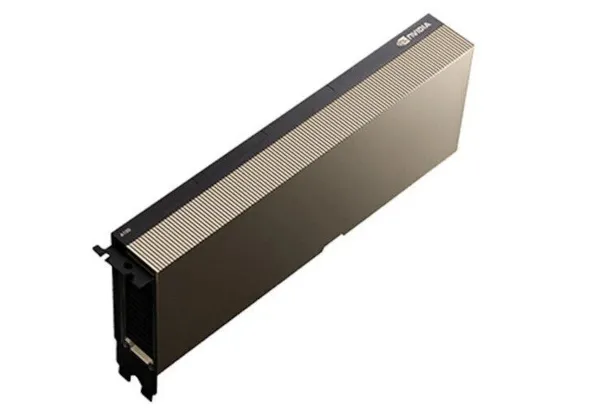
Additionally, the Nouveau GSP (Graphics Security Processor) code has been expanded to support the GA100 accelerator, NVIDIA’s powerful data center GPU architecture. This extension means that open-source drivers can now properly support one of NVIDIA’s most advanced accelerator designs, bringing open-source graphics capabilities to high-performance computing environments that rely on these specialized GPUs.
AMDGPU and Other Driver Enhancements
The pull request also includes several improvements to existing drivers. The AMDGPU driver now recognizes OLED panel types for eDP (embedded DisplayPort) outputs, enabling better support for modern laptop displays that use OLED technology. This enhancement ensures proper color management, power optimization, and display characteristics specific to OLED panels.
The atmel-hlcdc driver gains support for the SANA5D65 LCD controller, expanding the range of supported hardware for embedded systems using Atmel controllers. Meanwhile, Rockchip RK3576 processors now have DisplayPort output support, enhancing the capabilities of this popular SoC family for applications requiring external display connectivity.
Development Timeline and Community Impact
These changes, detailed in the pull request submitted by the DRM development team, represent the ongoing commitment to expanding hardware support and improving performance across the Linux graphics ecosystem. The Linux 7.1 kernel, scheduled for mid-year release, will incorporate these enhancements alongside countless other improvements across the entire kernel.
The steady progress in open-source graphics drivers continues to narrow the gap with proprietary alternatives, particularly for NVIDIA hardware where the Nouveau project has made remarkable strides. With each kernel cycle, the Linux graphics stack becomes more capable, supporting newer hardware and providing better performance for existing devices.
Tags and Viral Phrases
Linux 7.1 kernel, DRM-Misc-Next, Verisilicon DC8200, RISC-V graphics, T-Head TH1520, StarFive JH7110, Coreboot DRM driver, Thomas Zimmermann SUSE, Nouveau ZCULL support, NVK Vulkan driver, NVIDIA GA100 accelerator, AMDGPU OLED support, eDP outputs, atmel-hlcdc SANA5D65, Rockchip RK3576 DisplayPort, open-source graphics revolution, Linux graphics performance boost, firmware-level graphics innovation, embedded systems display support, Wayland Weston compatibility, graphics security processor GSP, data center GPU support, Linux kernel graphics subsystem, hardware acceleration breakthrough, modern display technology, embedded DisplayPort enhancements, SoC graphics capabilities, Linux graphics ecosystem expansion, proprietary driver competition, frame-buffer optimization, HDMI output for RISC-V, Linux 7.1 development cycle, graphics driver innovation, open-source NVIDIA support, embedded systems firmware, display controller support, Linux graphics stack evolution, kernel graphics development, hardware compatibility expansion, performance optimization techniques, graphics security processor support, Linux display infrastructure, firmware graphics capabilities, modern graphics stacks, Linux kernel pull request, graphics driver improvements, open-source graphics future, Linux display technology, kernel graphics development progress
,

Leave a Reply
Want to join the discussion?Feel free to contribute!