
Video Doorbell Advice and Settings for Opting Out of the Surveillance State
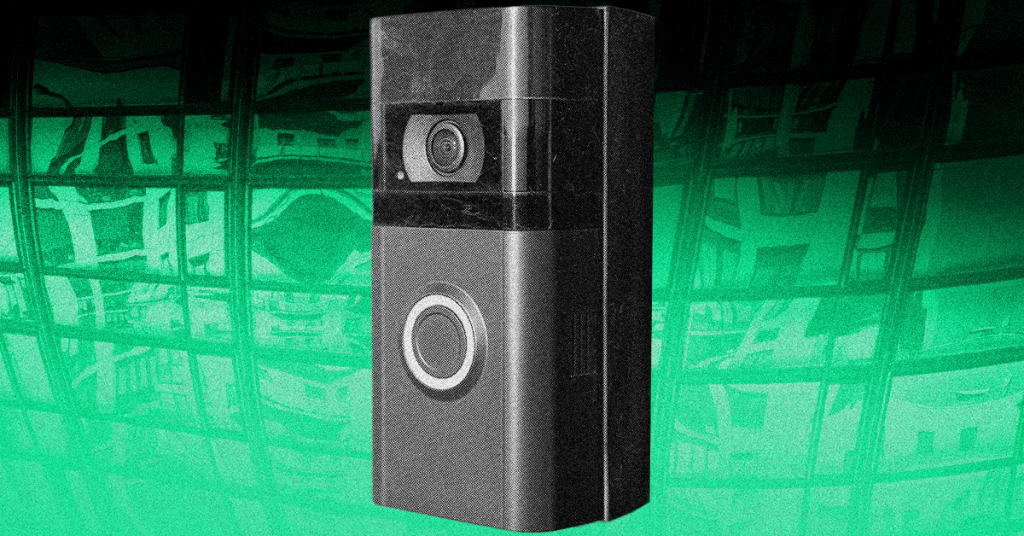
Video Doorbells: The Privacy Paradox You Didn’t Know You Were Living
That little camera perched above your front door might be watching more than just your porch. As smart home security becomes ubiquitous, the privacy implications of video doorbells are raising serious questions about surveillance, data ownership, and who really controls the footage of your daily life.
When Your Doorbell Becomes a Witness Against You
Picture this: You’re walking down your street, minding your own business, when suddenly your face appears in someone’s doorbell footage. Maybe you’re helping a neighbor carry groceries, or perhaps you’re just passing by. Either way, that video could end up anywhere—shared in neighborhood watch groups, submitted to police, or worse, accessed by hackers.
The Electronic Frontier Foundation’s Guariglia puts it bluntly: “As more evidence begins its journey as corporate data, the public has less and less power to figure out what happens to your information inside the company.” Once your image enters the digital ecosystem of doorbell cameras, you lose control over where it travels.
The Corporate-Government Surveillance Pipeline
Here’s where it gets really concerning. Amazon recently settled a Federal Trade Commission lawsuit over Ring doorbell privacy issues, with the complaint specifically mentioning scenarios where employees or third-party contractors gained unauthorized access to customer videos. But that’s just the beginning.
Immigration and Customs Enforcement (ICE) has been quietly accessing data from Flock’s automatic license plate reader cameras across the United States, according to investigative reporting. What might they do with access to video doorbells? The question isn’t hypothetical anymore.
When your footage lives in the cloud, law enforcement can compel companies to hand it over. While warrants are typically required, exceptions exist for “emergencies”—a vague term that could encompass anything from an active shooter situation to a missing person case. And here’s the kicker: companies like Ring and Nest will notify you about these data demands unless they’re legally prohibited from doing so. How often do you think that prohibition comes into play?
The Neighborhood Watch That Never Sleeps
Your neighbors aren’t just being friendly when they install those cameras. They’re creating a persistent surveillance network that documents everyone’s movements, whether you’ve consented or not. Neighborhood apps and social media groups have become hotbeds for sharing doorbell footage, often accompanied by breathless posts about “suspicious activity.”
The problem? These suspicions frequently reflect the uploader’s biases. Research published in academic journals has documented how racial profiling creeps into these neighborhood surveillance efforts. That person walking slowly down the sidewalk? They might just be enjoying the weather, but in the eyes of some doorbell owners, they’re automatically suspicious.
Legally speaking, if the footage captures something in a public place—like a sidewalk or driveway—it’s fair game to share. Recording into windows or fenced backyards crosses into privacy invasion territory, but anything visible from the street is considered public domain.
Your Rights: What the Law Actually Says
When it comes to police access, the law is surprisingly clear-cut. Unless officers present a warrant or court order, you’re under no obligation to share your footage. Some doorbell providers allow law enforcement to post requests on community message boards seeking footage from users, but you can simply ignore or decline these requests.
However, there’s a critical distinction: if your video is stored in the cloud rather than on your device, the rules change dramatically. Cloud storage means the company technically owns that data, and they can be compelled to turn it over to authorities. While warrants are usually required, emergency exceptions exist that could bypass judicial oversight entirely.
The $10,000 Question: Who Really Owns Your Data?
There’s currently a $10,000 bounty for anyone who can hack Ring cameras to stop them from sharing data with Amazon. But you don’t need to be a cybersecurity expert to take control of your privacy.
Matt Sailor, founder of IC Realtime, offers straightforward advice: “Own your data. There’s no need for other people to have your data.” This means considering local storage options instead of cloud services, regularly reviewing your privacy settings, and understanding exactly what you’re agreeing to when you install these devices.
The Bottom Line: Convenience vs. Privacy
Video doorbells offer genuine security benefits—deterring package thieves, providing evidence in case of incidents, and letting you monitor your property remotely. But they also create a surveillance infrastructure that extends far beyond your front door.
Every time you install one of these devices, you’re not just monitoring your own property; you’re potentially documenting the movements of everyone who passes by. You’re creating data that could be accessed by corporations, shared by neighbors, or seized by law enforcement. You’re contributing to a growing network of persistent surveillance that operates with minimal oversight and unclear boundaries.
The question isn’t whether video doorbells are useful—clearly, many people find them valuable. The real question is whether the privacy trade-offs are worth it, and what happens to all that footage when it leaves your control. In an era where data is the new oil, your front porch might be more valuable than you realize.
Tags: #VideoDoorbellPrivacy #SmartHomeSecurity #DigitalSurveillance #RingDoorbell #AmazonRing #PrivacyConcerns #HomeSecurity #DataProtection #NeighborhoodWatch #FacialRecognition #CloudStorage #LawEnforcementAccess #ICE #FlockCameras #RacialProfiling #DigitalRights #ElectronicFrontierFoundation #FTC #Cybersecurity #PersonalData #SmartHome #IoTPrivacy #DoorbellCamera #HomeMonitoring #PrivacyLaws #DataOwnership #SurveillanceCapitalism #DigitalPrivacy #SmartTechnology
Viral Sentences:
“Your doorbell camera might be watching your neighbors more than you think”
“That $200 security device could cost you your privacy”
“When convenience comes at the cost of constant surveillance”
“The $10K bounty that exposes our doorbell privacy nightmare”
“Your face in their footage: the new neighborhood dynamic”
“Cloud storage means your data isn’t really yours anymore”
“The surveillance network hiding in plain sight on your porch”
“Legal to share, but is it ethical? The doorbell dilemma”
“From package protection to police evidence: the journey of your footage”
“Neighborhood watch or digital stalking? The blurry line of doorbell cams”
“Your smart home, their data goldmine”
“The privacy paradox: safer home, less private life”
“When your front door becomes a data collection point”
“The hidden cost of feeling secure: your personal information”
“Surveillance capitalism starts at your doorstep”
,


Leave a Reply
Want to join the discussion?Feel free to contribute!