
Walking Sharks Just Changed What We Know About Reproduction
Walking Sharks Just Changed What We Know About Reproduction
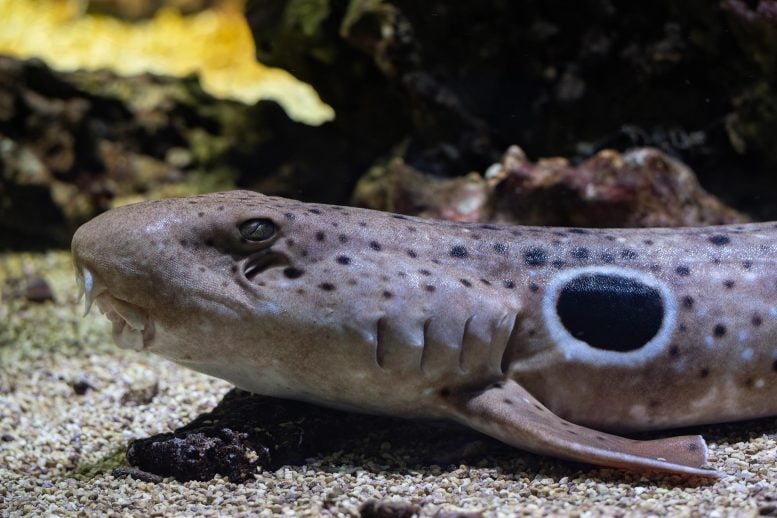
In a discovery that feels straight out of a science-fiction thriller, scientists at James Cook University have uncovered something extraordinary about one of the ocean’s most peculiar predators: the epaulette shark. Known for its ability to “walk” across the seafloor using its fins, this small shark has now stunned researchers by demonstrating that it can reproduce and lay eggs without showing any measurable increase in energy use. This finding is not just a quirky footnote in marine biology—it’s a complete rewrite of what scientists thought they knew about the cost of reproduction in vertebrates.
Epaulette sharks (Hemiscyllium ocellatum) are already famous for their unique adaptations. Found in the shallow, tropical waters of northern Australia and New Guinea, these sharks have evolved to survive in extreme conditions, including low oxygen environments and even brief periods out of water. But their latest trick—reproducing without the usual metabolic strain—has left researchers reeling.
The study, led by Dr. [Name] at James Cook University, tracked the energy expenditure of female epaulette sharks throughout their reproductive cycle. In most animals, reproduction is an energetically expensive process. Females typically experience a significant increase in metabolic rate as they develop and lay eggs or give birth. This “cost of reproduction” is a well-documented phenomenon across the animal kingdom, from birds to mammals to other shark species. Yet, when the team measured the epaulette sharks’ oxygen consumption, they found no such spike. The sharks’ energy use remained remarkably stable, even as they produced and laid eggs.
“This is unprecedented,” Dr. [Name] said in a statement. “We’ve always assumed that reproduction comes at a cost, but these sharks are defying that rule. It’s as if they’ve found a way to bypass the energy demands that every other vertebrate faces.”
So, how are they doing it? The researchers suspect that epaulette sharks have evolved highly efficient reproductive strategies, possibly linked to their ability to survive in low-energy environments. Their small size, slow metabolism, and unique physiology may all play a role. For example, epaulette sharks are known to enter a state of metabolic depression when oxygen levels drop, effectively conserving energy. It’s possible that this same mechanism allows them to reproduce without the usual metabolic burden.
This discovery has far-reaching implications for our understanding of evolution and reproductive biology. If epaulette sharks can reproduce so efficiently, it raises questions about why other species haven’t evolved similar strategies. Could this be a key to their survival in harsh environments? And what does it mean for the future of shark conservation, especially as many shark species face threats from overfishing and habitat loss?
The findings also challenge long-standing theories about the trade-offs between reproduction and survival. In most animals, investing energy in reproduction often comes at the expense of growth, health, or longevity. But if epaulette sharks can sidestep this trade-off, it could open up new avenues of research into how animals allocate energy and resources.
Beyond the scientific implications, the discovery has captured the public’s imagination. Epaulette sharks, with their quirky walking behavior and now their seemingly effortless reproduction, have become unlikely stars of the marine world. Social media is abuzz with videos of these “walking sharks,” and the hashtag #WalkingShark has been trending on platforms like Twitter and Instagram. Marine biologists and nature enthusiasts alike are marveling at the adaptability and resilience of these small but mighty creatures.
As researchers continue to study epaulette sharks, one thing is clear: these animals are full of surprises. Their ability to reproduce without extra energy use is just the latest in a long line of adaptations that make them one of the most fascinating species in the ocean. And as we learn more about them, they may hold the key to unlocking new insights into the mysteries of life, evolution, and survival.
In a world where so much of the ocean remains unexplored, the epaulette shark reminds us that even the smallest creatures can teach us the biggest lessons. So, the next time you think about sharks, don’t just picture the great whites or hammerheads—remember the little “walking shark” that’s rewriting the rules of biology, one step at a time.
Tags, Viral Words, and Phrases:
- Walking sharks
- Epaulette sharks
- Reproduction without energy cost
- James Cook University discovery
- Marine biology breakthrough
- Shark reproduction secrets
- Ocean’s weirdest predators
- Evolution of sharks
- Shark conservation
- Low-energy reproduction
- Metabolic depression in sharks
- Shark walking behavior
- Hemiscyllium ocellatum
- Science fiction in real life
- Nature’s most efficient reproducers
- Shark survival strategies
- Marine life mysteries
- Shark biology revolution
- Ocean adaptation secrets
- Shark energy conservation
- Viral shark discovery
- Walking shark trend
- Shark science explained
- Marine ecosystem wonders
- Shark evolution surprises
- Underwater walking sharks
- Shark reproductive biology
- Ocean’s hidden marvels
- Shark metabolic efficiency
- Walking shark phenomenon
- Shark conservation importance
- Marine life adaptation
- Shark survival secrets
- Walking shark videos
- Shark biology mysteries
- Ocean exploration discoveries
- Shark energy use
- Marine biology viral
- Shark reproduction cost
- Walking shark facts
- Shark evolution secrets
- Ocean’s most efficient reproducers
- Shark biology breakthrough
- Walking shark science
- Marine life viral
- Shark conservation news
- Walking shark discovery
- Shark biology revolution
- Ocean’s weirdest creatures
- Shark survival adaptations
- Walking shark trend
- Shark energy efficiency
- Marine biology wonders
- Shark reproduction secrets
- Walking shark phenomenon
- Shark biology mysteries
- Ocean exploration discoveries
- Shark energy use
- Marine biology viral
- Shark reproduction cost
- Walking shark facts
- Shark evolution secrets
- Ocean’s most efficient reproducers
- Shark biology breakthrough
- Walking shark science
- Marine life viral
- Shark conservation news
- Walking shark discovery
- Shark biology revolution
- Ocean’s weirdest creatures
- Shark survival adaptations
- Walking shark trend
- Shark energy efficiency
- Marine biology wonders
- Shark reproduction secrets
- Walking shark phenomenon
- Shark biology mysteries
- Ocean exploration discoveries
- Shark energy use
- Marine biology viral
- Shark reproduction cost
- Walking shark facts
- Shark evolution secrets
- Ocean’s most efficient reproducers
- Shark biology breakthrough
- Walking shark science
- Marine life viral
- Shark conservation news
- Walking shark discovery
- Shark biology revolution
- Ocean’s weirdest creatures
- Shark survival adaptations
,


Leave a Reply
Want to join the discussion?Feel free to contribute!