
War in Iran Spiked Oil Prices. Trump Will Decide How High They Go
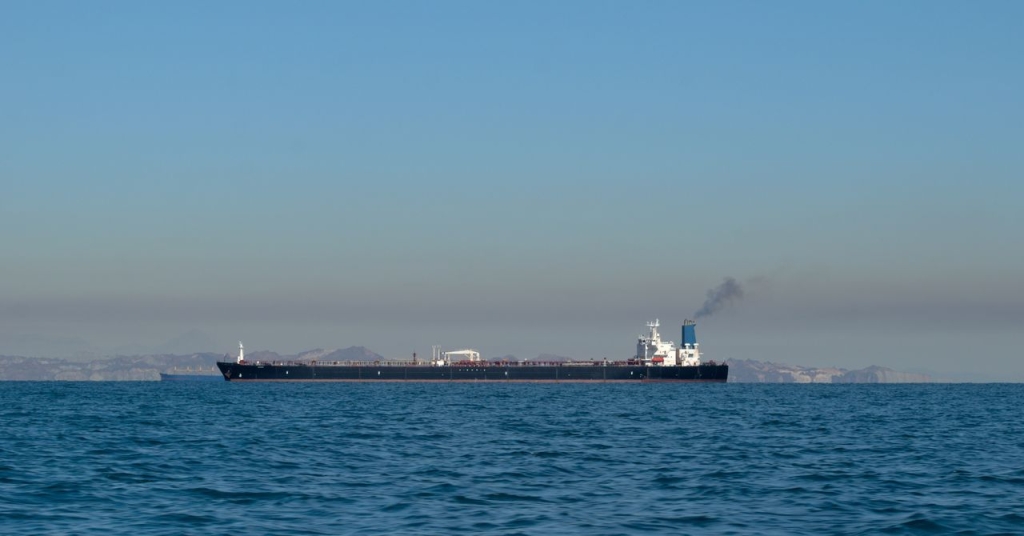
Oil Prices Surge Past $80 as Middle East Conflict Threatens Global Energy Security
In a dramatic escalation of Middle East tensions, oil prices have skyrocketed past $80 per barrel following coordinated military strikes by the United States and Israel against Iran over the weekend. The sudden price surge—amounting to nearly a 13 percent increase from Friday’s levels—has sent shockwaves through global markets and raised urgent questions about energy security worldwide.
The price of Brent crude crude oil futures jumped sharply when markets opened Sunday evening, reflecting immediate investor anxiety about potential disruptions to global oil supplies. This price movement represents the most significant oil market reaction since the initial outbreak of conflict, though analysts note that months of geopolitical uncertainty have somewhat cushioned the impact.
“What we’re witnessing is a perfect storm of supply-side concerns converging with geopolitical instability,” explains Tyson Slocum, director of the energy program at Public Citizen. “The market has been pricing in US-Iran tensions for months, but the weekend’s developments have introduced a new level of uncertainty that’s proving difficult to quantify.”
The attacks, which resulted in the death of Iranian Supreme Leader Ayatollah Ali Khamenei, were initially hailed by US officials as a decisive blow. However, subsequent developments have revealed significant gaps in the strategic planning. “For all of Trump saying, ‘Hey, we took out Khamenei, we knew exactly where he was’—apparently we didn’t do the same for Iran’s attack capabilities,” Slocum observes. “It seems like our plan was to take out Khamenei and then hope for the best.”
This apparent lack of comprehensive strategic planning has created a dangerous vacuum that experts fear could lead to uncontrolled escalation. The disorganized follow-through to the initial strike has left US forces potentially vulnerable to Iranian retaliation, while simultaneously failing to neutralize Iran’s capacity to disrupt global oil flows.
The Strait of Hormuz: Global Oil’s Achilles’ Heel
At the heart of the current crisis lies the Strait of Hormuz, a narrow waterway that serves as the critical artery for global oil transportation. This strategic chokepoint handles approximately one-fifth of the world’s daily oil production, making it arguably the most important shipping route in the global economy. The strait’s strategic importance cannot be overstated—virtually every major oil-producing nation in the Persian Gulf depends on this single maritime passage to export their crude oil to international markets.
“As long as I have been in the oil market, Iran and the closure of the Strait of Hormuz has been kind of the ultimate risk scenario for prices,” notes Rory Johnston, a prominent Canadian oil market researcher. The strait represents what Johnston describes as the “nightmare scenario” for oil traders and energy security experts alike.
Typically, when international crises threaten oil supplies, the Organization of the Petroleum Exporting Countries (OPEC) responds by increasing production to stabilize markets. However, the current situation presents a unique challenge. “But if OPEC’s emergency production is on the other side of the problem area, it doesn’t do as much good,” Johnston explains. He offers a vivid analogy: “I compare the region to a garden hose, where a kink in one section can decrease output across the entire system.”
Voluntary Closure Creates Market Panic
Throughout the weekend following the attacks, maritime traffic through the Strait of Hormuz effectively ground to a halt. While Iranian officials have issued mixed messages about whether the strait has been formally closed, the practical effect has been identical to an official blockade. Shipping companies, faced with the prospect of navigating a war zone, have chosen to suspend operations through the critical waterway.
Insurance companies have responded to the heightened risk by dramatically increasing premiums for vessels traveling through the region. Some shipping companies have reported insurance costs multiplying by factors of ten or more, making the economic viability of using the strait increasingly questionable. Additionally, several vessels have already reported being struck by drone attacks while attempting to transit the area, further reinforcing the perception of danger.
What appears to be occurring, according to Johnston, is more accurately described as a “voluntary closure” rather than an official blockade. However, from a market perspective, the distinction is largely academic. Whether ships are being physically prevented from passing through or are simply choosing not to attempt the journey, the result is the same: a critical supply route has been effectively severed.
Historical Precedents and Worse-Case Scenarios
Energy market analysts are drawing uncomfortable parallels to previous incidents that have disrupted oil supplies. In September 2019, drone attacks targeted major oil production facilities east of Riyadh, Saudi Arabia’s capital. While the Houthi rebel movement in Yemen claimed responsibility for these attacks, US officials attributed the operation to Iran. The immediate market reaction was severe, with oil prices surging approximately 15 percent in a single trading session.
The current situation contains elements that could prove even more destabilizing. On Monday, Saudi officials announced the closure of a major domestic refinery following drone strikes in the region. Multiple oil and gas fields across the Middle East have also been forced to suspend operations due to security concerns. Perhaps most significantly, Qatar LNG, the state-run liquefied natural gas producer that controls the world’s largest LNG production capacity, announced it was shutting down production entirely due to drone strikes.
These developments have sent natural gas prices in Europe soaring, creating a cascading effect throughout global energy markets. Johnston emphasizes that continued, serious strikes on energy infrastructure could have catastrophic consequences for oil prices. “Going back to the garden hose thing… [that would be] more like taking a gun and blasting off the faucet,” he warns.
Expert Analysis: The Path Forward
Clayton Seigle, a senior fellow at the Center for Strategic and International Studies in Washington, D.C., offers a sobering assessment of the situation. “The more desperate Iran becomes, the greater likelihood for it to use energy as leverage to advance its interests,” Seigle explains. This dynamic creates a dangerous feedback loop where escalating conflict leads to more aggressive Iranian responses, which in turn drives energy prices higher, potentially destabilizing global economies and creating pressure for negotiated settlements.
“If tankers abandon the Gulf trade in large numbers, and certainly if major oil infrastructure is damaged, we’re likely to see triple-digit crude prices again,” Seigle predicts. Such price levels would represent a return to the extreme valuations last seen during previous Middle East conflicts and could trigger global economic recession.
The coming week will be critical in determining whether oil prices stabilize or continue their upward trajectory toward the psychologically significant $100 per barrel threshold. Key factors will include the White House’s strategic direction of the conflict, Iran’s response to the killing of its supreme leader, and whether other oil-producing nations can compensate for potential supply disruptions.
Energy markets are notoriously sensitive to geopolitical developments, and the current situation represents one of the most volatile periods in recent memory. With global economic growth already showing signs of slowing, the added burden of dramatically higher energy prices could prove particularly damaging. Transportation costs, manufacturing expenses, and consumer energy bills would all rise, potentially creating a stagflationary environment that central banks would struggle to address.
As the situation continues to evolve, market participants and policymakers alike are watching closely for signs of de-escalation or, conversely, further deterioration. The stakes could hardly be higher—not just for oil prices, but for global economic stability and the prospects for peace in one of the world’s most volatile regions.
Tags & Viral Elements:
oil prices surge, $100 per barrel, Strait of Hormuz, Iran-US conflict, Israel attacks Iran, global oil supply disruption, energy market chaos, Middle East war, oil price spike, shipping route closure, drone strikes on oil facilities, OPEC response, energy security crisis, Brent crude jumps, geopolitical risk premium, voluntary closure, triple-digit oil prices, economic recession threat, stagflation risk, maritime insurance crisis, LNG production shutdown, Saudi refinery closure, Qatar energy halt, Khamenei assassination impact, Trump Iran strategy, garden hose analogy, market panic selling, energy leverage tactics, Gulf trade abandonment, oil infrastructure damage, 2019 Saudi attack comparison, Houthi rebels, Houthi responsibility claims, US blames Iran, 15% price surge precedent, voluntary maritime shutdown, insurance premium explosion, drone attack vessels, energy market volatility, psychological $100 barrier, White House conflict direction, oil producer responses, economic slowdown catalyst, transportation cost explosion, manufacturing expense increase, consumer energy bills rise, central bank challenges, de-escalation prospects, further deterioration risks, global economic stability, peace prospects Middle East
,

Leave a Reply
Want to join the discussion?Feel free to contribute!