
Washington nonprofit supporting global development tech and philanthropy to shutter after 16 years
Global Washington Shuts Down After 16 Years as Global Development Sector Faces Unprecedented Crisis
In a dramatic turn of events that signals seismic shifts in the global development landscape, Seattle-based nonprofit Global Washington announced Friday it will cease operations after 16 years of fostering collaboration between philanthropy, technology, business, and academia in international development work.
The organization, which has served as a vital nexus for more than 160 member organizations and individuals, will officially close its doors on June 30, 2026, marking the end of an era for Washington state’s influential role in global development initiatives.
The Perfect Storm: Funding Cuts and Shifting Priorities
Global Washington’s closure comes amid what Executive Director Elizabeth Stokely described as “profound and lasting disruption” in the global development sector. The organization’s statement pointed to significant cuts in USAID funding as a primary catalyst, alongside broader shifts in philanthropic priorities that have created a ripple effect across the entire ecosystem.
“These changes have constrained organizations’ ability to sustain their own operations, let alone meaningfully invest in networks and capacity building,” Stokely explained in the official announcement.
The timing couldn’t be more critical. The Trump administration has systematically worked to dismantle the U.S. Agency for International Development, which has historically provided foreign aid and development assistance to countries worldwide. This retreat from international development comes at a moment when global challenges—from climate change to pandemic preparedness—demand unprecedented cooperation and investment.
A Cascade of Consequences
Global Washington’s closure is far from an isolated incident. It represents the latest casualty in what industry observers are calling a “bloodbath” in global health and development funding.
In December, the Gates Foundation issued a stark warning about the deadly impacts of international funding cuts, specifically highlighting the retreat of major donors including the United States, United Kingdom, France, and Germany. Their Goalkeepers report sounded alarms about the potential reversal of decades of progress in global health metrics.
The crisis deepened last summer when PATH, one of Seattle’s flagship global health organizations, was forced to lay off approximately 45% of its global workforce. The organization, which has been at the forefront of vaccine development and health equity initiatives, found itself navigating a sudden U.S. funding freeze from its new Seattle headquarters.
Even the Gates Foundation, the world’s largest private foundation, isn’t immune to the sector-wide contraction. In January, the organization announced plans to reduce its headcount by up to 500 positions by 2030 as part of a strategic realignment aimed at achieving its ambitious global health goals with a smaller operational footprint.
Seattle’s Global Development Ecosystem Under Pressure
Global Washington’s closure represents more than just the loss of a networking organization—it signals potential disruption to Seattle’s entire global development ecosystem. The city has long positioned itself as a hub for international development work, leveraging the region’s technological expertise, corporate philanthropy, and academic research capabilities.
The University of Washington has maintained extensive global health programs and research initiatives. The Infectious Disease Research Institute continues groundbreaking work on vaccines and therapeutics. Organizations like the World Affairs Council and Panorama Global have contributed to policy discussions and field implementation.
Major corporations headquartered in the Seattle area have also been deeply engaged in global initiatives. Amazon has developed programs focused on disaster relief and education access. Microsoft has invested heavily in digital skills training and AI for health applications worldwide. Starbucks has pioneered ethical sourcing programs and community development projects in coffee-growing regions.
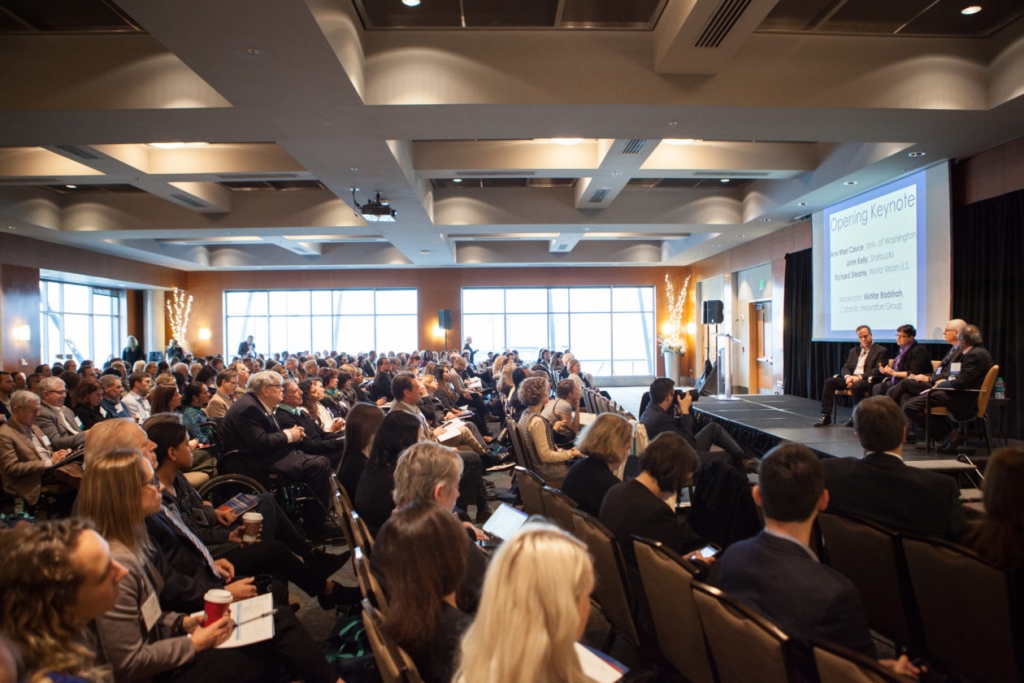
These corporate actors, along with countless smaller organizations and individual practitioners, have relied on Global Washington’s conferences, workshops, and networking events to coordinate efforts and share best practices. The organization’s annual conferences have historically drawn hundreds of participants from across the sector.
The Broader Context: A Retreat from Global Leadership
The closure of Global Washington must be understood within the broader context of America’s shifting stance on international development and global cooperation. The systematic reduction in USAID funding represents more than budgetary decisions—it signals a fundamental reorientation of U.S. foreign policy priorities.
This retreat comes at a particularly precarious moment in global affairs. Climate change continues to accelerate, with developing nations bearing disproportionate impacts despite contributing least to the problem. Pandemic preparedness remains inadequate, as evidenced by the ongoing challenges of COVID-19 and emerging health threats. Economic inequality both within and between nations has reached historic levels.
The vacuum created by reduced U.S. engagement creates opportunities for other global powers to expand their influence in international development. China, in particular, has been expanding its Belt and Road Initiative and other development programs, though with different approaches and sometimes controversial outcomes.
What’s Next for Washington State’s Global Development Community?
As Global Washington winds down its operations over the coming months, questions loom about how the state’s global development community will adapt. Will other organizations step in to fill the networking and coordination gap? How will the loss of this central hub affect collaboration between Seattle’s tech companies, universities, and nonprofit organizations?
Some observers suggest that the crisis may catalyze innovation in how global development work is organized and funded. The rise of venture philanthropy, impact investing, and technology-driven solutions may offer alternative pathways for sustaining development initiatives even as traditional funding sources contract.
Others worry that the fragmentation of the sector could lead to duplicated efforts, missed opportunities for synergy, and ultimately reduced effectiveness in addressing global challenges. The informal networks and relationships cultivated through Global Washington’s events may prove difficult to replicate through digital platforms alone.
A Legacy of Connection and Impact
Despite its closure, Global Washington leaves behind a significant legacy. Over 16 years, the organization helped position Washington state as a leader in global development innovation, fostered countless partnerships that led to tangible impacts in communities worldwide, and provided a platform for local organizations to amplify their work on the global stage.
The organization’s conferences brought together diverse stakeholders—from grassroots NGOs to Fortune 500 companies, from academic researchers to government officials—creating spaces for dialogue and collaboration that transcended traditional sector boundaries.
As the June 2026 closure date approaches, Global Washington has indicated it will work to ensure a smooth transition for its member organizations and stakeholders. Whether through documentation of best practices, transfer of relationships to other entities, or other mechanisms, the organization appears committed to minimizing disruption to the sector it has served.
The story of Global Washington’s closure is ultimately a microcosm of larger trends reshaping global development in the 21st century. As traditional models of international cooperation face unprecedented challenges, the sector must adapt, innovate, and find new ways to mobilize resources and expertise in service of global public goods.
The end of Global Washington may mark not just the closure of an organization, but the closing of one chapter in how we approach global development—and the beginning of another that remains to be written.
Tags: Global Washington closure, USAID funding cuts, Gates Foundation layoffs, PATH layoffs, Seattle global development, international aid crisis, Trump administration foreign aid, global health funding, philanthropy sector disruption, Washington state nonprofits, development sector crisis, international development funding, Seattle tech philanthropy, USAID dismantling, global health organizations, philanthropic priorities shift, development sector layoffs, international aid retreat, Seattle global health hub, development funding crisis, Gates Foundation restructuring, PATH workforce reduction, global development ecosystem, Seattle corporate philanthropy, international development networks, USAID budget cuts, global health funding crisis, Seattle nonprofit sector, development sector contraction, international aid organizations, philanthropic sector layoffs, global development collaboration, Seattle international development, development funding uncertainty, global health sector crisis, international development disruption, Seattle global initiatives, philanthropic funding cuts, development sector transformation, global aid funding, Seattle development community, international development challenges, philanthropic sector changes, global development future, Seattle global partnerships, international development trends, development sector adaptation, global health priorities, Seattle philanthropic ecosystem
,


Leave a Reply
Want to join the discussion?Feel free to contribute!