
Washington state bill allowing direct sales of Rivian and Lucid is speeding toward finish line
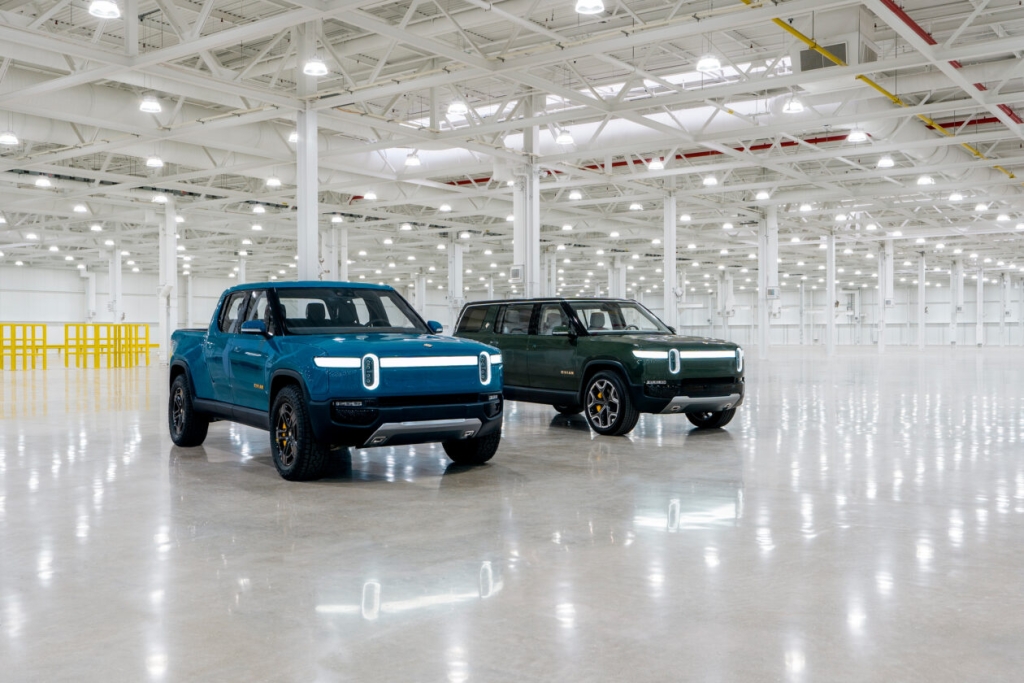
Washington Lawmakers Move to Level the EV Sales Field for Rivian and Lucid
In a decisive move that could reshape the electric vehicle landscape in Washington state, the Senate has passed a bill that would grant Rivian and Lucid the right to sell their vehicles directly to consumers, bypassing traditional dealership channels. The legislation, Senate Bill 6354, cleared the chamber with a strong bipartisan majority—46 yeas to just three nays—sending it to the House for further consideration.
The bill’s passage marks a significant shift in the long-standing battle between automakers and dealership associations, a conflict that has simmered for over a decade. If approved by the House and signed into law, Washington would join a growing list of states allowing select EV manufacturers to engage in direct-to-consumer sales, a model pioneered by Tesla but long restricted to legacy automakers.
A Decade-Long Battle for Fair Competition
The roots of this legislative push trace back to 2014, when Tesla successfully lobbied for the right to sell vehicles directly in Washington, becoming the sole EV maker permitted to bypass dealerships. At the time, electric vehicles were still a niche market, and lawmakers viewed Tesla’s direct sales model as a necessary exception to foster innovation. However, as the EV industry has exploded in popularity, other manufacturers have argued that the uneven playing field stifles competition and limits consumer choice.
For years, Rivian and Lucid have faced uphill battles in Washington. Because they do not sell through traditional dealerships, prospective buyers have had to navigate cumbersome processes—purchasing vehicles online or traveling out of state, often without the ability to test drive before committing. This has put both companies at a significant disadvantage, especially as they attempt to establish themselves in a market dominated by Tesla and legacy automakers.
SB 6354: A Narrow but Significant Exemption
Senate Bill 6354 offers a targeted solution. Rather than opening the floodgates for all automakers to sell directly, the legislation creates a narrow exemption specifically for Rivian and Lucid. This means that while these two EV makers would gain the ability to sell directly to Washington consumers, other manufacturers—including potential future entrants—would remain bound by existing dealership laws.
The bill also includes a $10,000 penalty for any automaker that violates the law by conducting unauthorized direct sales or leases, a provision aimed at preventing abuse of the exemption. Additionally, the legislation raises the vehicle dealer documentary service fee from $200 to $250 for the next decade. A portion of the increased fees will be allocated to state programs that support EV purchases for low-income residents and bolster public transit initiatives, ensuring that the policy change has broader societal benefits.
Rivian’s Bold Threat and the Race Against Time
The legislative push comes after years of resistance from dealership associations, who argue that direct sales undermine the franchise system that has long underpinned the auto industry. However, the dynamics shifted dramatically when Rivian threatened to take the issue directly to voters through a November ballot initiative. This high-stakes gambit appears to have accelerated lawmakers’ willingness to act, as they sought to avoid a protracted and costly public campaign.
With the Senate’s approval, all eyes now turn to the House, where a hearing is scheduled for Thursday. The bill’s budget implications mean it is exempt from most legislative deadlines, but the clock is still ticking: the session is set to adjourn on March 12. If the House acts swiftly, Washington could soon join a handful of states that have embraced a more flexible approach to EV sales.
What This Means for Consumers and the Industry
For Washington residents, the potential passage of SB 6354 could bring tangible benefits. Direct sales would make it easier for consumers to purchase Rivian and Lucid vehicles, offering greater convenience and potentially more competitive pricing. It could also spur increased competition in the EV market, encouraging innovation and expanding choices for environmentally conscious buyers.
For Rivian and Lucid, the legislation represents a critical opportunity to gain a foothold in one of the nation’s most environmentally progressive states. Both companies have invested heavily in developing cutting-edge electric vehicles, and removing sales barriers could accelerate their growth and market penetration.
However, the narrow scope of the exemption means that the broader debate over direct sales is far from over. Other EV startups and legacy automakers will likely continue to push for similar rights, setting the stage for future legislative battles.
The Road Ahead
As the House prepares to take up Senate Bill 6354, stakeholders on all sides are watching closely. Dealership associations may intensify their lobbying efforts, while EV advocates are mobilizing in support of the bill. The outcome will not only shape the future of EV sales in Washington but could also influence similar efforts in other states.
For now, the passage of SB 6354 in the Senate signals a growing recognition that the automotive industry is evolving—and that laws governing vehicle sales must evolve with it. Whether this marks the beginning of a broader shift or a one-off compromise remains to be seen, but one thing is clear: the race to electrify America’s roads is accelerating, and Washington is poised to play a pivotal role.
Tags: Rivian, Lucid, EV sales, direct-to-consumer, Washington state, Senate Bill 6354, electric vehicles, Tesla, dealership associations, EV legislation, ballot initiative, automotive industry, EV startups, consumer choice, environmental policy, legislative battle, EV market, Rivian R1T, Lucid Air, EV competition, Washington politics, auto sales reform, EV adoption, low-income EV incentives, public transit funding, automotive innovation, EV test drives, franchise laws, EV policy, Washington Senate, House hearing, March 12 deadline, EV legislation 2026, EV market access, dealership exemption, EV consumer rights, Rivian Lucid Washington, EV direct sales, EV industry disruption, Washington EV law, EV sales reform, EV legislative update, Rivian Lucid sales, EV market competition, EV sales exemption, Washington EV policy, EV dealership battle, EV sales legislation, EV market access Washington, EV policy reform, EV sales direct, EV industry change, Washington EV market, EV legislative change, EV sales access, EV policy update, EV sales law, EV market reform, EV sales rights, EV policy shift, EV market access reform, EV sales legislation update, EV policy change, EV market reform Washington, EV sales reform Washington, EV policy reform Washington, EV sales rights Washington, EV market access rights, EV sales access reform, EV policy access, EV market access update, EV sales access update, EV policy update Washington, EV market reform update, EV sales reform update, EV policy change update, EV market access change, EV sales access change, EV policy access change, EV market reform change, EV sales reform change, EV policy change Washington, EV market access Washington change, EV sales access Washington change, EV policy access Washington change, EV market reform Washington change, EV sales reform Washington change, EV policy change update Washington, EV market access update Washington, EV sales access update Washington, EV policy access update Washington, EV market reform update Washington, EV sales reform update Washington.
,
Leave a Reply
Want to join the discussion?Feel free to contribute!