
Watch McDonald’s test humanoid robots on the front line
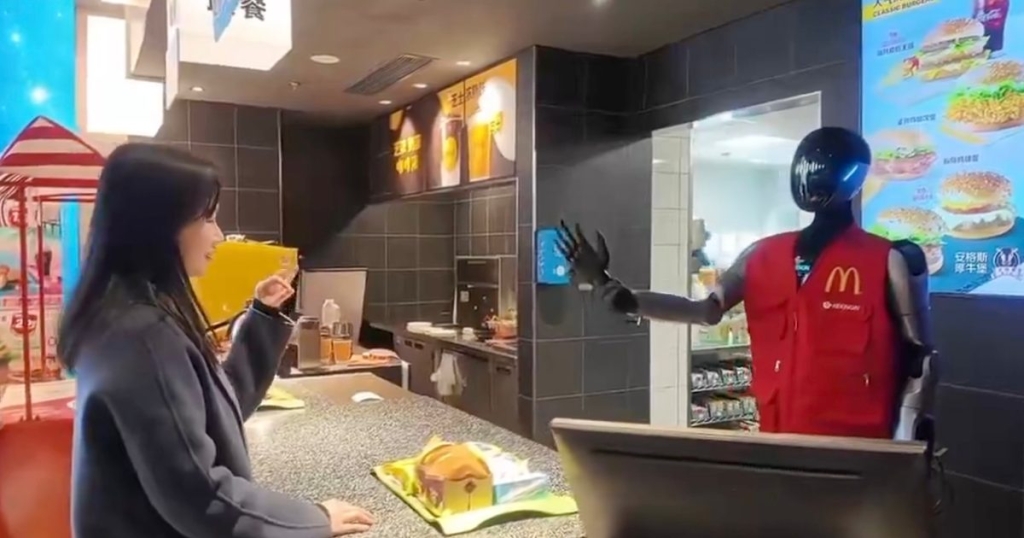
Shanghai McDonald’s Tests Humanoid Robots as Future of Fast Food Service
In a bold step toward the future of dining, a McDonald’s location in Shanghai has begun testing humanoid robots in roles traditionally held by human staff. The move, orchestrated in partnership with Chinese robotics firm Keenon Robotics, signals the fast-food giant’s interest in exploring automation to enhance customer experience and streamline operations.
Footage circulating online reveals robots greeting guests at the entrance, delivering meals to tables, and even collecting used trays. While the bots may not yet match the sophistication of Boston Dynamics’ Atlas or Tesla’s Optimus, their deployment in a bustling, real-world environment offers a glimpse into how automation might reshape the quick-service restaurant industry.
A Snapshot of the Future in Action
The robots are part of a broader trial that includes various autonomous machines throughout the restaurant. Some greet and entertain diners, while others handle food delivery and tray collection. Their presence is designed to enliven the atmosphere and reduce the burden of repetitive tasks on human employees.
“These humanoid robots provide information, greet guests, and help enliven the atmosphere,” according to reports. “Food delivery robots serve meals to customers and collect used trays.”
Economic Context: Labor Shortages Meet Technological Opportunity
The timing of this trial is significant. China is experiencing an economic paradox: certain sectors are struggling to find workers, even as millions of young people face challenges securing employment. This mismatch has created fertile ground for automation, particularly in industries like fast food where turnover is high and labor can be both costly and inconsistent.
The trial at McDonald’s highlights a growing trend among restaurant operators seeking a reliable, potentially lower-cost workforce. While this raises concerns about job displacement—especially in the service sector, a traditional entry point for young workers—the reality is more nuanced.
China’s workforce is shrinking due to an aging population, and many younger job seekers are reluctant to take on low-paid, repetitive roles. In this context, robots could serve as a complement to human workers rather than a wholesale replacement, filling gaps where labor is scarce.
Short-Term Impact: Entertainment and Efficiency
In the near term, the introduction of humanoid robots could serve as a draw for customers, particularly families with children eager to interact with the machines while waiting for their meals. The novelty factor may boost foot traffic and create a unique dining experience that sets McDonald’s apart from competitors.
However, experts caution that widespread deployment of fully autonomous restaurants remains years away. Current technology still falls short of handling the full range of tasks required in a fast-food environment, from complex food preparation to nuanced customer service.
A more likely scenario in the coming years is a hybrid model: human workers continue to handle the majority of responsibilities, while robots take on more basic, customer-facing roles. This approach allows restaurants to benefit from automation without sacrificing the personal touch that many customers value.
Broader Implications for the Industry
The Shanghai trial is part of a larger trend in China, where rapid advancements in robotics and artificial intelligence are being deployed across various sectors. From manufacturing to hospitality, businesses are increasingly turning to automation to address labor shortages and improve efficiency.
For McDonald’s, the move represents both a technological experiment and a strategic response to shifting labor dynamics. If successful, it could pave the way for similar trials in other markets, potentially transforming the fast-food experience worldwide.
Looking Ahead
While the sight of humanoid robots serving burgers and fries may still feel like science fiction, the Shanghai McDonald’s trial suggests that the future of dining may be closer than we think. As technology continues to evolve and labor markets adapt, the role of robots in restaurants is likely to expand—raising new questions about the balance between automation and human employment.
For now, the robots at McDonald’s Shanghai are more novelty than necessity, but their presence marks an important step in the ongoing conversation about the future of work, service, and the dining experience itself.
Tags: Shanghai, McDonald’s, humanoid robots, automation, Keenon Robotics, fast food, labor shortages, China, robotics, customer service, dining experience, hybrid workforce, innovation, future of work
Viral Phrases:
“Robots are taking orders at McDonald’s!”
“Fast food’s future is here—and it’s robotic.”
“Shanghai’s McDonald’s goes high-tech with humanoid staff.”
“Automation meets appetite: Robots serve up burgers in China.”
“Is this the end of the teenage fry cook?”
“Robots greet, serve, and entertain—McDonald’s new crew.”
“Humanoid hosts and tray-collecting bots: Welcome to the restaurant of tomorrow.”
“Fast food, faster service—thanks to robots.”
“China’s labor shortage meets robotic solution at McDonald’s.”
“The day robots started flipping burgers (almost).”
,


Leave a Reply
Want to join the discussion?Feel free to contribute!