
WD and Seagate confirm: Hard drives for 2026 sold out
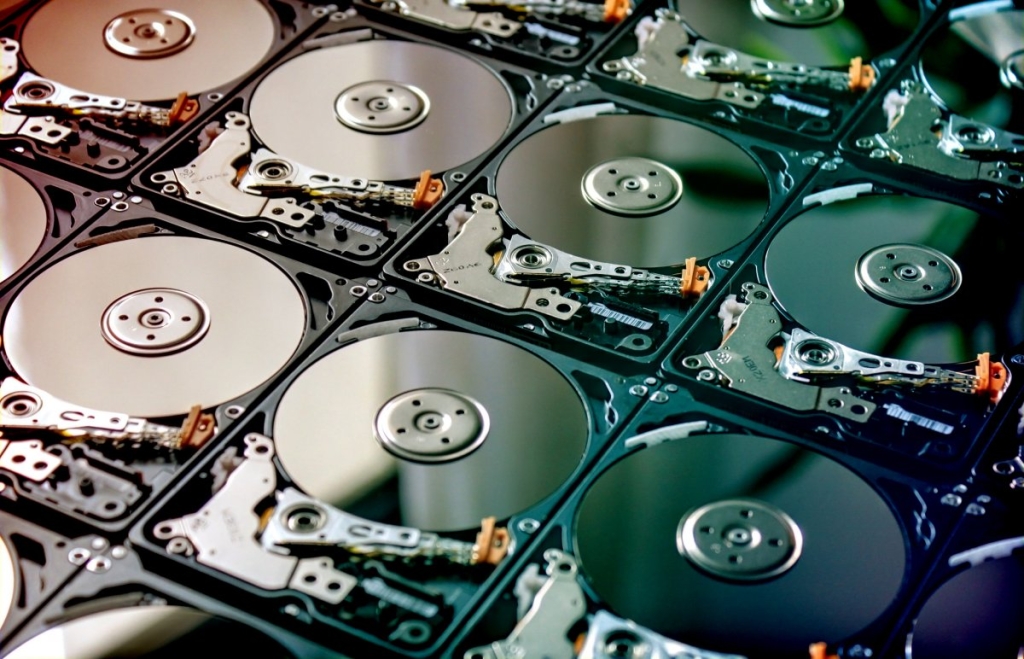
WD and Seagate Confirm: Hard Drives for 2026 Are Sold Out
In a stunning revelation that’s sending shockwaves through the tech industry, Western Digital and Seagate—two of the world’s three remaining hard drive manufacturers—have confirmed that their entire production capacity for 2026 is already spoken for. This unprecedented sell-out signals a dramatic shift in the storage market, driven primarily by hyperscalers racing to build massive AI data centers.
The CEOs Speak: A Perfect Storm of Demand
During their recent earnings calls, both companies’ executives painted a picture of overwhelming demand that’s completely outstripping supply.
Western Digital CEO Tiang Yew Tan delivered the bombshell: “We’re pretty much sold out for calendar year 2026. We have firm purchase orders with our top seven customers through calendar year 2026. We also have in place robust commercial agreements with three of our top five customers, two through calendar year 2027 and one through calendar year 2028.”
Seagate CEO William Mosley echoed the sentiment with even more urgency: “Our nearline capacity is fully allocated through calendar year 2026, and we expect to begin accepting orders for the first half of calendar year 2027 in the coming months. Further out, demand visibility is strengthening based on the long-term agreements in place with major cloud customers through calendar 2027. Additionally, multiple cloud customers are discussing their demand growth projections for calendar 2028, underscoring that supply assurance remains their highest priority.”
The term “nearline” refers to Seagate’s server-focused HDD offerings, which now represent a staggering 87% of their hard drive sales—up from 83% just a year ago. This shift underscores the industry’s laser focus on enterprise and data center applications.
No Production Expansion: Higher Capacity, Not More Units
In a move that will likely frustrate consumers and smaller businesses, Seagate has announced it won’t be expanding production capacity for now. Instead, growth will come from higher-capacity drives rather than increased unit numbers.
CFO Gianluca Romano explained the strategy: “If in a quarter, we can produce a little bit more, of course, we will sell those exabytes in the open market at a good profitability. But I would say the vast, vast majority of the volume is already allocated.”
This means that even if production hiccups occur or demand slightly decreases, don’t expect a flood of hard drives to hit the consumer market. The allocation is locked in, and the priority is clearly enterprise customers.
The AI Gold Rush: Why Hyperscalers Are Hoarding Storage
The driving force behind this unprecedented demand is the AI arms race. Hyperscalers like Amazon (AWS), Google, Microsoft (Azure), Meta, and OpenAI are building massive data centers to train and run increasingly complex AI models. These models require enormous amounts of data storage—training datasets can be petabytes in size, and the need for long-term data retention is growing exponentially.
What’s particularly telling is that these companies aren’t just buying for 2026—they’re securing agreements through 2028. This suggests they anticipate the AI boom will continue accelerating, and they’re willing to pay premium prices to ensure they have the infrastructure in place.
Financial Windfall: Higher Prices, Higher Profits
The sell-out situation has translated directly into financial success for both companies. Western Digital reported a 25% increase in revenue in Q4 2025 compared to the same period last year, reaching $3 billion. Operating profit jumped by an impressive 62% to $908 million. The higher gross margin (46.1% versus 38.4% a year ago) clearly indicates that manufacturers are charging premium prices for their products.
Consumer Impact: Prepare for Sticker Shock
The consequences for consumers are already being felt and will likely intensify. In German retail markets, HDD prices have risen by approximately 20-50% compared to mid-2025. But that’s just the beginning.
The shortage of HDDs for data centers is creating a ripple effect that’s hitting SSDs as well. Hyperscalers are increasingly turning to high-capacity SSDs as an alternative, causing manufacturers to shift production priorities. This has led to dramatic price increases for consumer SSDs—many models with up to two terabytes of storage have become about 50% pricier since summer 2025.
Smaller SSD manufacturers without their own memory production are being hit even harder, with price increases of 2-3 times observed for brands like Kingston, Lexar, and Patriot. The situation is so severe that Western Digital SSDs are disappearing from the market entirely, as these models will continue under new SanDisk names following the companies’ separation in 2025.
The New Reality: Storage as a Luxury Good?
What we’re witnessing is a fundamental shift in how storage is valued and allocated. For years, storage capacity increased while prices decreased—a trend that made massive digital collections and high-capacity devices accessible to everyone. That era appears to be ending.
The sell-out of 2026 production represents more than just a supply chain hiccup; it’s a signal that the storage industry is being completely reshaped by AI demands. The days of cheap, abundant storage may be behind us, at least for the foreseeable future.
For consumers, this means making tough choices about storage needs, potentially holding onto older drives longer, or accepting significantly higher prices for new purchases. For businesses, it means planning well in advance and potentially facing difficult budget decisions as storage costs consume larger portions of IT expenditures.
The question now is whether this is a temporary phenomenon tied to the current AI boom or a permanent shift in how the storage market operates. Given the long-term agreements being signed and the strategic importance of data in the AI era, the latter seems increasingly likely.
One thing is certain: the storage landscape has changed forever, and we’re all going to feel the impact—whether we’re building AI models or just trying to store our family photos.
tags #technews #AIboom #harddrives #storagecrisis #hyperscalers #WD #Seagate #Toshiba #datafrenzy #techshortage #enterprisefirst #consumerimpact #pricehikes #storageshortage #AIarmsrace #techindustry #supplychain #marketdisruption #storagewars #techbubble #datacenters #cloudcomputing #techinvesting #futureofstorage #techtrends #industryshift #storagemarket #techspeculation #enterprisevsconsumer #techpredictions
viral #breakingnews #industryalert #gamechanger #techcrisis #supplyshock #marketmayhem #storageshock #techmeltdown #AIrevolution #databoom #techupheaval #industryearthquake #storagedemand #techgoldrush #supplycrunch #techtsunami #datacrunch #techavalanche #storagepanic #techstorm #datadeluge #techfrenzy #storageexplosion #techdisruption #dataflood #techrevolution #storageboom #techtransformation #datademand #techtakeover
,


Leave a Reply
Want to join the discussion?Feel free to contribute!