
We Did the Math: Do Front-Load Washers Really Save More Money Than Top-Load?
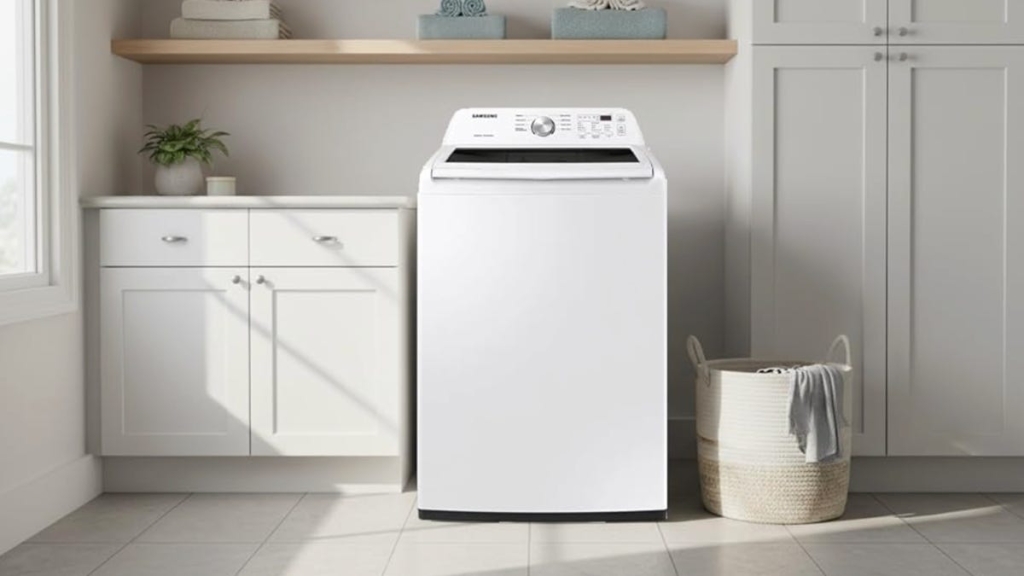
Front-Load vs Top-Load Washing Machines: The 6.5-Year Payback Period That Changes Everything
When I crunched over 15,000 data points for CNET’s definitive list of the best washing machines, I stumbled upon a revelation that completely reshaped my understanding of laundry economics. Front-load washers aren’t just more efficient—they’re actually better long-term investments than top-load washers, with a compelling payback period that makes the math undeniable.
I’ll cut to the chase: the average payback period for front-load versus top-load is 6.5 years. Given that front-load washers last an average of 12.6 years, these machines aren’t just appliances—they’re financial instruments that pay you back over time.
Why This Electrolux Model Became My Baseline
The star of this analysis is the Electrolux ELFW7738A, our most energy-efficient washing machine pick. It’s not just efficient; it’s the efficiency champion across our entire lineup. This $1,099 front-loader uses only 3,452 gallons of water annually compared to top-loaders that guzzle 8,552 gallons.
The Math Behind the Magic
Here’s how I calculated everything:
Water costs: (Annual water usage ÷ 1,000) × $16.83 (national average water rate)
Electricity costs: Annual kWh × $0.165 (national average electricity rate)
The payback period formula is beautifully simple:
(Efficient washer price – Standard washer price) ÷ (Standard washer annual operating costs – Efficient washer annual operating costs) = Payback period (in years)
Anything under 7 years is generally a smart investment. The closer to that 12.6-year lifespan, the better the deal.
How the Electrolux Stacks Up Against the Competition
Against the average top-loader ($579), the Electrolux costs $348 more but saves $53 annually in operating costs. That 6.5-year payback period means you’re essentially getting free laundry for the remaining 6+ years of the machine’s life.
But here’s where it gets interesting: against the average front-loader ($993), the payback period is still 6.6 years. That tiny $106 price difference means the modest $16 annual savings take much longer to offset—proving that not all efficiency gains are created equal.
The Real Winners and Losers
Top-load champions: The Samsung WA45T3200AW and Insignia NS-WMT41WA5 have shorter payback periods than average, despite costing less than half as much as the Electrolux. The Energy Star-rated LG WT8200C lags behind, likely due to its $749 price tag.
Front-load disappointments: The GE GFW550SSNWW pushes the boundaries with an 8.6-year payback period. Maytag and Whirlpool models? They barely meet minimum Energy Star requirements, making the $1,100 Electrolux the clear winner against sub-$800 front-loaders.
Size Matters: Compact Washers Tell a Different Story
Compact washers from Bosch and Miele are almost half the size, so I had to adjust for capacity. When you factor in that you’d need 1.88-1.96 times more loads to wash the same amount of clothes, these compact units actually cost more over 10 years:
- Bosch: $881 more than Electrolux
- Miele: $986 more than Electrolux
For smaller households, compact washers make sense—but for most families, the Electrolux wins on both efficiency and economy.
Washer-Dryer Combos: The Efficiency Wildcard
Here’s a plot twist: Electrolux’s paired dryer can’t match the heat pump efficiency of LG and Samsung’s combo units. The combos are better investments in terms of energy usage:
- LG combo: $323 net savings over Electrolux pair
- Samsung combo: $471 net savings over Electrolux pair
Samsung edges out LG with its 20-year motor warranty versus LG’s 10-year coverage, though the annual energy savings difference is just $4.94.
The Bottom Line
After analyzing thousands of data points, one thing is crystal clear: front-load washers are worth the investment. The 6.5-year payback period isn’t just a number—it’s your ticket to years of essentially free laundry. Whether you choose the Electrolux or one of its efficient competitors, you’re not just buying a washing machine; you’re buying peace of mind and long-term savings.
The math doesn’t lie, and neither does your wallet.
Tags: washing machine efficiency, front load vs top load, energy savings, appliance payback period, laundry economics, Electrolux ELFW7738A, long-term appliance investment, water conservation, electricity costs, smart home appliances
Viral Phrases: “The 6.5-year payback that changes everything”, “Your washing machine could be making you money”, “Why your top-loader is costing you thousands”, “The math doesn’t lie: front-load wins”, “Years of free laundry await”, “Appliance investment that actually pays you back”, “The efficiency champion no one’s talking about”, “Save money while saving the planet”
,

Leave a Reply
Want to join the discussion?Feel free to contribute!