
‘We don’t tell the car what it should do’: my ride in a self-driving taxi | Self-driving cars
London’s Streets Get a High-Tech Makeover: Robotaxis Roll In, but Will They Rule the Road?
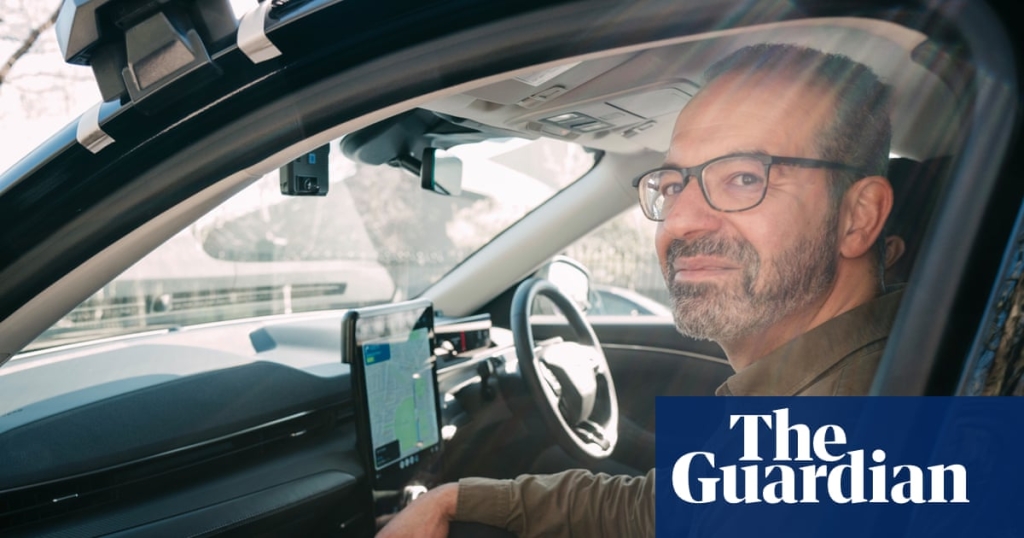
The future of urban transportation is here, and it’s driving itself. In a quiet corner of King’s Cross, London, Alex Kendall, CEO of the UK-based autonomous vehicle (AV) startup Wayve, takes the wheel—or rather, doesn’t. As we glide through the city’s bustling streets, the electric Ford Mustang handles every turn, stop, and acceleration with the precision of a seasoned driver. No hands, no feet, no human intervention. Just a car, a computer, and a bold vision for the future.
The Dawn of the Robotaxi Era
Wayve is at the forefront of a revolution that’s set to transform London’s streets. With the UK government’s Automated Vehicles Act passed in 2024, the stage is set for self-driving taxis to hit the roads by the end of 2025. Wayve, in partnership with Uber, is ready to lead the charge, alongside tech giants like Waymo (owned by Alphabet) and Baidu, the Chinese tech behemoth. But London, with its narrow medieval streets, unpredictable pedestrians, and chaotic traffic, is no easy conquest. As Kendall puts it, “London has about 20 times more roadworks and 11 times more cyclists and pedestrians than San Francisco. It’s a much more complex city to drive in.”
A Smarter Way to Drive
What sets Wayve apart from its competitors is its use of end-to-end AI, a single neural network that learns to drive like a human—only better. Unlike earlier AVs that relied on rule-based systems and pre-programmed responses, Wayve’s AI understands the nuances of the road. It can predict pedestrian behavior, interpret traffic patterns, and even recognize when another driver is letting it merge. “It’s not just about following rules,” Kendall explains. “It’s about understanding the dynamics of the scene.”
During our ride, the car’s capabilities are on full display. When a man with a walking stick approaches a zebra crossing, the car slows to a halt before he even steps onto the road. “We don’t tell the car what to do; it learns the body language,” Kendall says. It’s a level of intuition that’s hard to match, even for the most experienced human drivers.
The Road Ahead: Challenges and Controversies
While the technology is impressive, the rollout of robotaxis is not without its challenges. In San Francisco, where Waymo and other AVs are already operational, incidents have raised eyebrows. From cars freezing in traffic jams during power outages to being disabled by pranksters placing traffic cones on their hoods, the road to full autonomy is far from smooth. And then there’s the question of safety. While Waymo claims its vehicles are involved in “five times fewer injury-causing collisions” than human drivers, skeptics remain unconvinced.
There’s also the human cost to consider. London’s black cab drivers, an iconic symbol of the city, are understandably concerned about the impact of robotaxis on their livelihoods. Steve McNamara, head of the Licensed Taxi Drivers’ Association, argues that robotaxis lack the human touch that makes black cabs indispensable. “They deal with lost property, popcorn on the seats, flat tires, and people bumping into them in traffic,” he says. “When you get rid of them, who’s going to do all of that?”
The Price of Progress
For all the hype, robotaxis still face a significant hurdle: cost. In San Francisco, a Waymo ride is, on average, 12.7% more expensive than an Uber and 27.3% more than a Lyft. If robotaxis are to truly disrupt the market, they’ll need to offer more than just novelty—they’ll need to be affordable.
The Bigger Picture: Cars vs. Cities
As exciting as the technology is, it’s worth asking whether robotaxis are the best solution for urban mobility. Cars, autonomous or not, are still an inefficient way to move large numbers of people around a city. Public transport, cycling, and walking remain the most sustainable and effective options. Kendall agrees, noting that “it really needs to coexist with all the other modalities of transport. I cycle to work every day. I think cycling, walking, the tube, these are really important for Londoners.”
The Future is Here, but It’s Not Set in Stone
As robotaxis prepare to hit London’s streets, the city stands at a crossroads. Will these autonomous vehicles revolutionize urban transport, or will they simply add to the congestion and chaos? One thing is certain: the age of the robotaxi is upon us, and it’s going to be a wild ride.
Tags: #Robotaxis #AutonomousVehicles #Wayve #Waymo #Baidu #Uber #London #FutureOfTransport #AI #TechInnovation #UrbanMobility #SelfDrivingCars #TechNews #ViralTech #FutureTech
Viral Sentences:
- “London has about 20 times more roadworks and 11 times more cyclists and pedestrians than San Francisco—it’s a much more complex city to drive in.”
- “It’s not just about following rules; it’s about understanding the dynamics of the scene.”
- “Nobody ever wants to go from A to B. They always want to go via somewhere or drop someone off somewhere.”
- “I’ll be more than happy to run a trial where somebody gets in a Waymo or a Wayve and somebody else gets in a black cab, and we’ll time it or measure the distance to the destination.”
- “The age of the robotaxi is upon us, and it’s going to be a wild ride.”
,


Leave a Reply
Want to join the discussion?Feel free to contribute!