
‘We lost things such as physics in games:’ The dev behind my most anticipated RPG thinks players are craving more interactive games, not just ‘moving around in a static 3D environment’
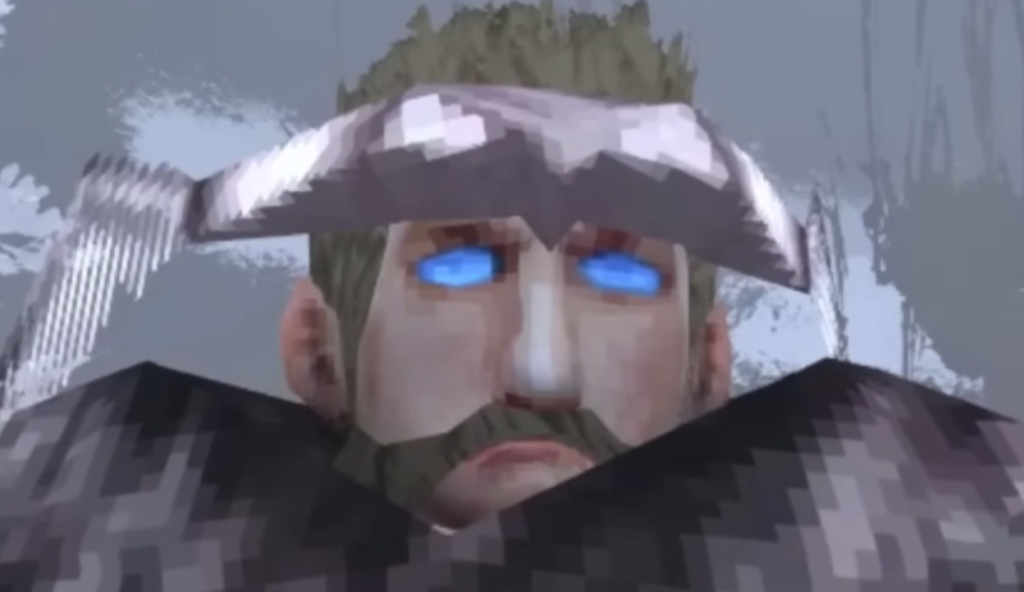
The Eurojank Renaissance: How a Hungarian Chef-Turned-Coder is Reviving the Golden Age of Immersive RPGs
In an era where AAA blockbusters increasingly prioritize cinematic spectacle over player agency, a remarkable trend is emerging from the gaming underground. Developers like Csaba “ForestWare” Székely are proving that there’s still a voracious appetite for the kind of deeply interactive, systemically rich role-playing games that dominated the late 90s and early 2000s.
ForestWare’s Sword Hero represents everything that made those earlier RPGs special: physics-based interactions, emergent gameplay, and a world that feels genuinely reactive to player choices. The Hungarian developer, who taught himself coding from scratch after years working as a chef, describes his upcoming RPG as a “eurojank” masterpiece—a term that, far from being derogatory, has become a badge of honor for games that prioritize ambition and player freedom over polish.
The Rise of the Eurojank Champions
What makes Sword Hero particularly fascinating is how it fits into a broader industry shift. Studios that were once considered second-tier—Larian Studios with Divinity: Original Sin, CD Projekt with The Witcher series, and even GSC Game World with S.T.A.L.K.E.R.—have ascended to industry leadership by doubling down on complex, systemic gameplay rather than chasing photorealistic graphics.
As ForestWare observes, “Increasingly, more [games] had resources moved towards [fidelity and texture resolution], and we lost things such as physics in games—[Nvidia] PhysX is probably the best example here.” He points to Mirror’s Edge as one of the last major showcases for advanced physics interactions, noting how modern games often feature beautifully detailed environments that players can’t meaningfully interact with.
The Problem with Cinematic Immersion
There’s a growing disconnect between how games look and how they feel to play. Modern triple-A titles often create an uncanny valley effect—environments look incredibly realistic, yet remain stubbornly inert. ForestWare describes the frustration of “moving around in a static 3D environment which happens to have collision,” where even basic interactions like bullet holes in walls are considered lucky additions.
This stiffness is particularly evident in scripted environmental interactions. How many times have players experienced that jarring moment when a game forces a cinematic camera angle for what should be a simple action? That “Huh, my old catcher’s mitt, haven’t felt like playing much since dad died” moment that breaks immersion rather than building it.
The Power of Player Agency
The games that endure—The Elder Scrolls series, Baldur’s Gate 3, and now Sword Hero—share a crucial quality: they trust players to create their own stories. As ForestWare puts it, these are games where “you could just pick up that catcher’s mitt and wing it across the room if you wanted to, maybe read about your dad dying in the item description if you’re so inclined.”
This philosophy of player-driven storytelling creates a level of immersion that scripted narratives simply can’t match. When every object in the world can be interacted with, when physics systems create unexpected but logical outcomes, players feel genuinely present in the game world rather than merely observing it.
A Solo Developer’s Vision
What makes Sword Hero even more remarkable is its origin story. ForestWare, a Hungarian chef with no formal game development training, decided to learn coding from scratch to create his dream RPG. His journey from professional cook to solo game developer embodies the DIY spirit that defined the golden age of PC gaming.
The game has already surpassed its Kickstarter goals, but continues fundraising for additional features and content. Players can experience the combat demo and wishlist the game on Steam, where it’s generating significant buzz among RPG enthusiasts.
The Future of Interactive Storytelling
Sword Hero represents more than just an interesting indie project—it’s a manifesto for a different approach to game design. In an industry increasingly dominated by live service games and cinematic experiences, there’s something profoundly refreshing about a game that says, “Here’s a world. Here are some systems. Go make your own fun.”
The success of games like Baldur’s Gate 3 and the anticipation surrounding Sword Hero suggests that players are hungry for this kind of freedom. They want worlds that react to their choices, physics systems that create unexpected moments, and the ability to approach problems in whatever way makes sense to them.
As ForestWare continues development on Sword Hero, he’s not just making a game—he’s proving that the eurojank philosophy, with its emphasis on systemic depth over surface polish, still has plenty to offer modern gamers. In doing so, he’s helping to ensure that the spirit of those beloved 90s and early 2000s RPGs lives on, updated for a new generation of players who value agency over spectacle.
The renaissance of complex, interactive single-player games isn’t just a nostalgic throwback—it’s a recognition that sometimes, the most immersive experiences come not from watching a story unfold, but from being given the tools to create your own.
Tags & Viral Phrases: eurojank renaissance, physics-based RPG, immersive sim revival, emergent gameplay, systemic depth, player agency, Hungarian game dev, solo developer success, RPG revolution, interactive storytelling, Baldur’s Gate 3 successor, physics interactions, game design philosophy, indie game breakthrough, cooking to coding journey, open-world freedom, reactive game worlds, Kickstarter success story, Steam wishlist phenomenon, cinematic vs interactive debate, 90s RPG nostalgia, modern eurojank, ambitious indie projects, physics systems, player-driven narratives, game development underdog, interactive environments, gaming industry shift, triple-A criticism, immersive experience design
,


Leave a Reply
Want to join the discussion?Feel free to contribute!