
Wear OS earthquake alerts may be getting a big upgrade
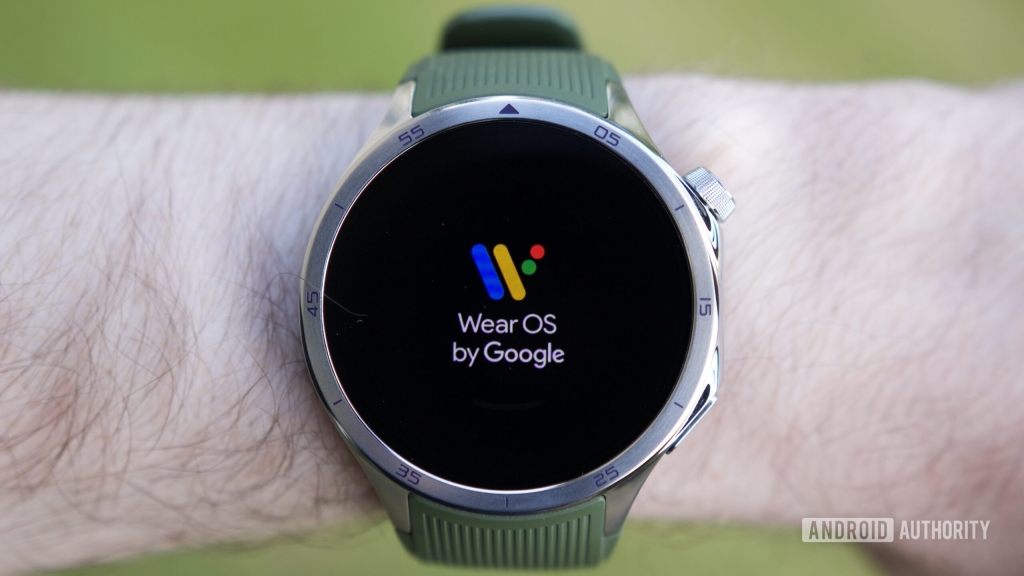
Google’s Bold Move: Wear OS Earthquake Alerts Go Solo, No Phone Required
In a seismic shift for wearable technology, Google has announced a groundbreaking upgrade to its Wear OS earthquake alert system that promises to keep users safer than ever before. The tech giant is taking the feature to new heights by enabling Wear OS smartwatches to deliver critical earthquake warnings independently, even when not paired with a smartphone. This development marks a significant leap forward in wearable safety technology and could potentially save countless lives in earthquake-prone regions.
The Evolution of Earthquake Detection on Wearables
Android’s Earthquake Alerts System, which has been a staple feature on Android smartphones for years, uses the devices’ built-in accelerometers to detect vibrations that could indicate seismic activity. When a phone senses what it believes to be an earthquake, it sends a signal to Google’s earthquake detection servers along with a general location of the shaking. Google then aggregates data from millions of devices to determine whether an earthquake is actually occurring and, if so, sends out alerts to potentially affected users.
Last year, Google brought this life-saving feature to Wear OS smartwatches, allowing users to receive earthquake warnings directly on their wrists. However, this functionality was initially dependent on the smartwatch being paired with a smartphone. Now, Google is breaking those chains with its latest Play Services update (v26.07 from February 23, 2026).
Independence Day for Wear OS Earthquake Alerts
In the release notes for this update, Google states: “[Wear] With this feature, you can now get earthquake alerts on your Wear devices even it’s unpaired from the phone.” This simple yet powerful statement represents a paradigm shift in how we think about wearable safety technology.
The implications of this update are far-reaching. Imagine you’re out for a run, leaving your phone at home, when suddenly the ground begins to shake. With this new feature, your Wear OS smartwatch will still be able to alert you to the impending danger, potentially giving you crucial seconds to find safety. This independence from smartphones could prove invaluable in situations where carrying a phone is impractical or impossible.
The Technical Marvel Behind the Scenes
While Google hasn’t provided extensive details on how this independent functionality will work, we can make some educated guesses based on the technology involved. Wear OS smartwatches, like their smartphone counterparts, are equipped with accelerometers capable of detecting vibrations. It’s likely that these devices will now be able to send seismic data directly to Google’s servers via Wi-Fi or cellular connections, bypassing the need for a paired smartphone.
This development raises intriguing questions about the future of the Android Earthquake Alerts System. Could data from Wear OS watches eventually feed into the system in the same way phone data does? If so, this could significantly enhance the accuracy and speed of earthquake detection, as watches are often more sensitive to subtle movements than larger, more stable smartphones.
A New Era of Wearable Safety
The implications of this update extend far beyond just earthquake alerts. It represents a broader trend towards greater independence and functionality in wearable devices. As smartwatches become more powerful and capable of operating without constant phone tethering, we can expect to see a proliferation of safety and utility features that were previously only possible on smartphones.
For instance, could we see standalone SOS features, fall detection, or even air quality monitoring on future Wear OS devices? The possibilities are endless, and Google’s latest move with earthquake alerts could be just the beginning of a new era in wearable technology.
The Global Impact
It’s worth noting that the Android Earthquake Alerts System is currently available in select countries, including the United States, Greece, New Zealand, Turkey, the Philippines, Kazakhstan, Kyrgyz Republic, Tajikistan, Turkmenistan, and Uzbekistan. As Wear OS devices become more prevalent globally, the potential for this technology to save lives in earthquake-prone regions around the world is immense.
Looking to the Future
As exciting as this development is, many questions remain unanswered. Will all Wear OS devices be able to take advantage of this new feature, or will it be limited to newer, more advanced models? How will battery life be affected by the constant monitoring for seismic activity? And perhaps most intriguingly, what other safety features might we see added to Wear OS devices in the future?
Google has yet to make an official announcement about this feature, and we may need to wait for further clarification on exactly how independent earthquake alerts will work on Wear OS. However, one thing is clear: the future of wearable technology is looking brighter – and safer – than ever before.
In conclusion, Google’s decision to enable independent earthquake alerts on Wear OS smartwatches represents a significant milestone in wearable technology. By breaking the dependency on smartphones, Google is not only enhancing the utility of its smartwatches but also potentially saving lives. As we look to the future
,

Leave a Reply
Want to join the discussion?Feel free to contribute!