
Week in Review: Most popular stories on GeekWire for the week of Jan. 25, 2026
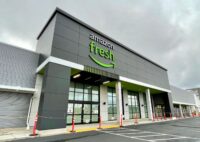
Amazon’s Retail Revolution Ends: The Closure of Amazon Fresh and Go Marks a Strategic Pivot
In a stunning reversal of strategy, Amazon has announced the complete shutdown of its Amazon Fresh and Amazon Go store networks, marking the end of a decade-long experiment in physical retail innovation. This decision represents one of the most significant strategic pivots in Amazon’s history, as the e-commerce giant refocuses its grocery ambitions entirely on Whole Foods Market and its rapidly expanding grocery delivery infrastructure.
The closure affects dozens of locations across major metropolitan areas, from Seattle to New York, leaving thousands of employees facing uncertain futures. Amazon Fresh stores, which offered a traditional supermarket experience with digital enhancements, and Amazon Go convenience stores, famous for their “just walk out” cashierless technology, will all cease operations by the end of Q1 2026.
“We’ve learned a tremendous amount from these experiments,” said an Amazon spokesperson in a statement released Tuesday. “However, we’ve determined that our optimal path forward in grocery involves doubling down on Whole Foods and scaling our grocery delivery capabilities. The economics of operating physical retail locations at scale proved more challenging than anticipated.”
The Rise and Fall of Amazon’s Physical Retail Ambitions
Amazon’s journey into physical retail began in earnest in 2016 with the acquisition of Whole Foods Market for $13.7 billion, a move that signaled the company’s serious intentions in the grocery sector. The following year, Amazon Go stores debuted in Seattle, showcasing futuristic technology that allowed customers to grab items and simply walk out, with purchases automatically charged to their Amazon accounts.
The Amazon Fresh concept, launched in 2020, represented a more conventional approach—full-service supermarkets with online ordering capabilities and same-day delivery options. At its peak, Amazon operated over 40 Amazon Fresh stores across the United States and more than 40 Amazon Go locations in major cities.
However, industry analysts had long questioned the profitability of these ventures. Despite Amazon’s technological advantages and deep pockets, the company struggled to achieve the operational efficiency and cost structure necessary to compete effectively with established grocery chains.
Strategic Realignment: Whole Foods and Delivery Take Center Stage
The decision to shutter physical stores comes as Amazon reports record-breaking growth in its grocery delivery segment. The company’s grocery delivery business has grown by 45% year-over-year, driven by investments in warehouse automation, last-mile delivery infrastructure, and partnerships with local grocery chains.
Whole Foods Market, meanwhile, continues to perform strongly, with same-store sales growth of 8.3% in the most recent quarter. Amazon has been gradually transforming Whole Foods with technology integrations, including Prime member discounts, Amazon Lockers, and enhanced delivery capabilities.
“This is a classic case of a tech company learning that retail is harder than it looks,” said Sarah Chen, retail analyst at TechInsights. “Amazon’s technology was impressive, but the fundamental economics of operating physical stores—rent, labor, inventory management—proved challenging even for a company with Amazon’s resources.”
Industry Impact and Market Reactions
The closure announcement sent ripples through the retail industry, with competitors like Walmart, Kroger, and Albertsons seeing modest stock price increases on the news. These traditional grocers have invested heavily in their own digital capabilities but have maintained their physical store networks, betting that omnichannel approaches will prevail.
“The fact that Amazon, with all its technological advantages and capital, couldn’t make this work should give everyone pause,” noted Mark Rodriguez, former retail executive turned consultant. “It suggests that the future of grocery may lie in hybrid models rather than pure digital or pure physical approaches.”
For Seattle’s tech ecosystem, the news carries particular weight. Amazon’s headquarters city has positioned itself as a hub for retail innovation, with numerous startups developing technologies for the grocery and retail sectors. The closure of Amazon’s experimental stores raises questions about the viability of some of these technologies and business models.
Employee Impact and Community Response
The human cost of Amazon’s strategic shift is significant. While Amazon has promised severance packages and job placement assistance for affected employees, the closures represent a major disruption for thousands of workers. Many of the affected stores were located in urban areas where alternative employment opportunities may be limited.
Local community leaders have expressed concern about the impact on neighborhoods that have come to rely on Amazon Fresh stores as convenient grocery options, particularly in areas classified as food deserts.
“Amazon’s departure leaves a void in our community,” said Maria Gonzalez, Seattle City Council member. “We’re working with local businesses and other retailers to ensure residents continue to have access to fresh, affordable groceries.”
Technological Legacy and Future Applications
While Amazon is closing its physical stores, the technology developed for these ventures isn’t going to waste. Industry sources indicate that Amazon plans to license its cashierless technology to other retailers and continue developing its automated warehouse and fulfillment technologies.
The “Just Walk Out” technology, which uses computer vision, sensor fusion, and deep learning to track items and charge customers automatically, has already found applications beyond retail. Amazon is exploring uses in office buildings, airports, and other commercial spaces where automated access control could improve efficiency.
“The technology was never the problem—it worked remarkably well,” explained Dr. James Wilson, technology analyst. “The challenge was scaling it cost-effectively in a low-margin business like grocery retail. Amazon’s decision reflects a pragmatic assessment of where their technological advantages can create the most value.”
Looking Ahead: Amazon’s Grocery Strategy
With the closure of Amazon Fresh and Go stores, Amazon’s grocery strategy now centers on three pillars: Whole Foods Market as the premium physical presence, grocery delivery as the convenience play, and technology licensing as a potential revenue stream.
The company is also reportedly exploring partnerships with existing grocery chains to provide technology solutions and delivery infrastructure, a move that would allow Amazon to benefit from the grocery sector’s growth without the operational complexities of running stores directly.
“This isn’t an admission of defeat—it’s a strategic recalibration,” said retail strategist Emma Thompson. “Amazon is playing to its strengths: technology, logistics, and scale. By focusing on areas where it can win and partnering where it makes sense, Amazon is positioning itself for long-term success in the grocery sector.”
Broader Implications for Retail Innovation
Amazon’s retreat from physical retail experimentation raises broader questions about the future of retail innovation. After years of predictions about the death of physical retail and the rise of e-commerce, the industry appears to be settling into a more nuanced understanding of consumer behavior.
“Consumers want both convenience and experience,” noted retail futurist David Park. “The winners in retail will be those who can deliver both seamlessly. Amazon’s experience suggests that achieving this balance is harder than many technology companies anticipated.”
The closure also highlights the challenges of applying technology solutions to traditional industries. While Amazon’s technological innovations were impressive, they couldn’t overcome the fundamental economics of the grocery business—thin margins, high operational costs, and intense competition.
Timeline of Amazon’s Physical Retail Journey
2016: Amazon acquires Whole Foods Market for $13.7 billion
2017: First Amazon Go store opens in Seattle
2020: Amazon Fresh concept launches with multiple locations
2022: Amazon expands Fresh and Go networks to over 80 total locations
2024: Reports emerge of challenges with store profitability
2025: Amazon begins exploring strategic alternatives for physical retail
2026: Complete shutdown of Amazon Fresh and Go networks announced
Market Analysis and Future Predictions
Financial analysts are divided on the long-term implications of Amazon’s decision. Some view it as a pragmatic retreat that will allow Amazon to focus resources on more profitable ventures, while others see it as a missed opportunity in an industry that continues to evolve rapidly.
“The grocery sector is undergoing massive transformation,” said investment analyst Robert Chen. “Amazon’s decision to step back from direct store operations doesn’t mean they’re out of the game—it means they’re changing their approach. The question is whether this new strategy will prove more successful than their previous one.”
Industry observers note that Amazon’s experience offers valuable lessons for other technology companies considering expansion into traditional retail sectors. The challenges Amazon faced—achieving scale, managing operational complexity, and competing with established players—are likely to confront any company attempting similar moves.
Conclusion: A New Chapter in Amazon’s Retail Story
As Amazon closes this chapter in its retail experimentation, the company enters a new phase focused on leveraging its technological advantages in areas where it can achieve sustainable competitive advantages. The shutdown of Amazon Fresh and Go stores represents not just the end of an experiment, but the beginning of a more focused and potentially more successful approach to the grocery sector.
For the retail industry as a whole, Amazon’s decision serves as a reminder that even the most technologically advanced companies must grapple with fundamental business realities. As the sector continues to evolve, the interplay between technology, operations, and consumer preferences will remain central to determining which companies succeed and which struggle.
The coming months will reveal whether Amazon’s strategic pivot proves prescient or whether competitors will seize opportunities that Amazon has abandoned. What’s clear is that the grocery retail landscape has been permanently altered by Amazon’s decade-long experiment, regardless of its ultimate outcome.
Tags & Viral Phrases:
- Amazon Fresh stores closing
- Amazon Go shutdown
- Amazon grocery strategy pivot
- Whole Foods focus
- Cashierless technology abandoned
- Retail innovation failure
- Amazon physical retail experiment ends
- Grocery delivery boom
- Seattle tech layoffs
- Amazon job cuts 2026
- Retail technology challenges
- Omnichannel retail future
- Amazon strategic retreat
- Food desert concerns
- Just Walk Out technology
- Amazon licensing strategy
- Grocery sector transformation
- Tech company retail challenges
- Amazon Fresh closure impact
- Amazon Go locations shutting down
- Amazon grocery delivery growth
- Whole Foods Amazon integration
- Retail industry disruption
- Amazon workforce reduction
- Seattle community impact
- Retail technology economics
- Amazon retail strategy failure
- Grocery retail future predictions
- Amazon physical store closures
- Amazon Go technology legacy
- Amazon Fresh employee layoffs
- Amazon grocery market exit
- Retail innovation lessons
- Amazon store network shutdown
- Amazon retail experiment failure
- Grocery delivery dominance
- Amazon retail pivot analysis
- Amazon Fresh store locations
- Amazon Go technology applications
- Amazon grocery business model
- Amazon retail strategy 2026
- Amazon physical retail challenges
- Amazon grocery sector retreat
- Amazon store closure reasons
- Amazon retail technology failure
- Amazon grocery delivery expansion
- Amazon retail market exit
- Amazon physical store experiment
- Amazon grocery business challenges
,


Leave a Reply
Want to join the discussion?Feel free to contribute!