
Weekly poll results: Moto G77 needs good review scores to succeed, the others may be in trouble
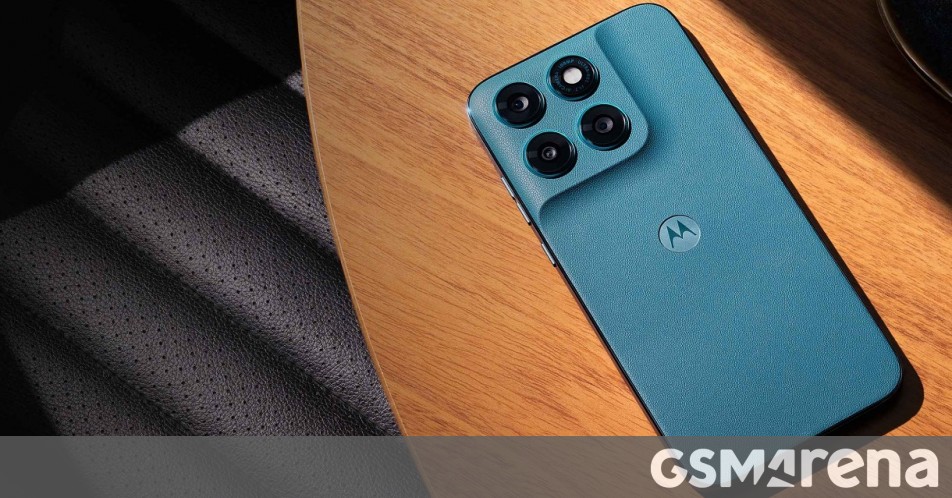
Motorola’s 2025 Moto G Lineup Faces Mixed Reception: G77 Shines, G17 Struggles in Latest Poll
Motorola’s latest Moto G series lineup has sparked heated debate among tech enthusiasts, with the newly unveiled Moto G77 emerging as a potential standout while the Moto G17 faces significant skepticism. The company’s strategy of releasing multiple variants targeting different market segments has yielded varied results, according to recent polling data from GSMArena readers.
Moto G77: A Promising Contender with Caveats
The Motorola Moto G77 5G has generated considerable interest among mid-range smartphone shoppers, though not without reservations. The device’s most notable feature is its impressive 108MP main camera sensor, a specification that stands out in the competitive €300/£250 price bracket. This high-resolution camera capability places the G77 in rarified air within its segment, though it’s worth noting that competitors like the Redmi Note 15 have explored similar territory.
However, the G77’s Dimensity 6400 chipset has become a point of contention among potential buyers. Critics argue that MediaTek’s 6000-series processors are better suited for entry-level devices rather than mid-range offerings. In a price segment where consumers expect more powerful hardware, the Dimensity 6400 may struggle to compete against alternatives offering superior performance. This chipset choice represents a curious decision from Motorola, as the €300/£250 range typically features more robust processing options from both MediaTek and Qualcomm.
Despite these concerns, the Moto G77 maintains a fighting chance in the market. Industry analysts suggest that strong review performance could significantly boost the device’s appeal, particularly if the camera system delivers on its promising specifications. The 108MP sensor could become the G77’s defining feature, potentially swaying consumers who prioritize mobile photography capabilities.
Moto G67: Caught Between Segments
The Motorola Moto G67 5G occupies an awkward position in Motorola’s lineup, facing criticism from voters who believe better mid-range options exist at its €260/£200 price point. The device suffers from direct comparison with its more premium sibling, the G77, as the price difference of approximately €40/£50 doesn’t justify the significant feature gap between the two models.
The G67’s 50MP main camera, while competent, fails to generate excitement in a market where such specifications have become increasingly common. The 1/1.95″ sensor size, though respectable, doesn’t offer the wow factor that might justify its position in Motorola’s portfolio. This camera system represents a missed opportunity for Motorola to differentiate the G67 from both entry-level offerings and more premium alternatives.
Consumer feedback suggests that the G67 struggles to find its identity within Motorola’s lineup. It’s neither cheap enough to compete effectively in the entry-level segment nor premium enough to justify its mid-range positioning. This identity crisis could prove problematic as consumers weigh their options in an increasingly competitive smartphone market.
Moto G17: A Rocky Start
The Motorola Moto G17 has encountered the most challenging reception among the four models surveyed, though context is crucial when interpreting these results. A significant portion of poll participants indicated they weren’t actively seeking entry-level devices, which may have skewed the results negatively for the G17.
Nevertheless, the data reveals a concerning trend: even among consumers specifically shopping for entry-level smartphones, the G17 struggles to generate interest. This poor reception could stem from various factors, including market saturation in the entry-level segment, aggressive competition from brands offering more compelling specifications at similar price points, or perhaps unclear differentiation from other Motorola offerings.
The G17’s challenges highlight the increasingly difficult position of entry-level smartphones in 2025. As component costs rise and consumer expectations evolve, manufacturers must carefully balance affordability with feature sets that can compete against both new entrants and established players in the budget segment.
Moto G17 Power: A Glimmer of Hope
In contrast to its standard counterpart, the Motorola Moto G17 Power has generated more positive reception among potential buyers. The “Power” designation likely signals enhanced battery capacity or other specifications that resonate with consumers seeking reliable, long-lasting devices at accessible price points.
While the G17 Power still faces an uphill battle in a crowded entry-level market, it at least demonstrates potential for success. Strong review performance could be particularly crucial for this model, as positive critical reception often influences purchasing decisions in the budget smartphone segment where consumers may be less familiar with technical specifications.
The Elephant in the Room: Software Support
Beyond individual model performance, a recurring theme emerged across all poll responses: Motorola’s software update policy continues to be a significant concern for consumers. The company’s reputation for slow update rollouts—or in some cases, complete absence of updates—affects consumer confidence across its entire product lineup.
This software support issue represents a critical challenge for Motorola as it attempts to compete with manufacturers known for more robust update policies. In an era where software features, security updates, and long-term device support increasingly influence purchasing decisions, Motorola’s approach may be costing it potential customers across all market segments.
Market Implications and Future Outlook
The mixed reception of Motorola’s 2025 Moto G lineup reflects broader trends in the smartphone industry. Consumers are becoming increasingly discerning, with clear expectations regarding performance, camera capabilities, and long-term software support. The success of individual models will likely depend not only on their hardware specifications but also on how effectively Motorola can communicate their value propositions and address longstanding concerns about software updates.
For the Moto G77, success may hinge on delivering exceptional camera performance that justifies its positioning and price point. The G67 faces an identity crisis that may require either price adjustments or feature enhancements to remain competitive. The G17’s poor reception suggests Motorola may need to reconsider its entry-level strategy, while the G17 Power demonstrates that there remains appetite for well-executed budget devices that prioritize core functionalities like battery life.
As the smartphone market continues to evolve, Motorola’s ability to adapt its product strategy while addressing fundamental concerns about software support will be crucial in determining the long-term success of its Moto G lineup.
Tags: Motorola, Moto G77, Moto G67, Moto G17, Moto G17 Power, smartphone poll, GSMArena, Dimensity 6400, 108MP camera, entry-level phones, mid-range smartphones, software updates, Android updates, budget phones 2025
Viral Phrases: “108MP camera steals the show,” “Dimensity 6400 disappoints in mid-range,” “G17 struggles to find buyers,” “Power variant saves the day,” “Software support remains Motorola’s Achilles heel,” “Poll reveals consumer skepticism,” “Camera specs vs. chipset choices,” “Entry-level segment gets crowded,” “Motorola’s update policy under fire,” “Can reviews save these devices?”
,

Leave a Reply
Want to join the discussion?Feel free to contribute!