
What do new nuclear reactors mean for waste?
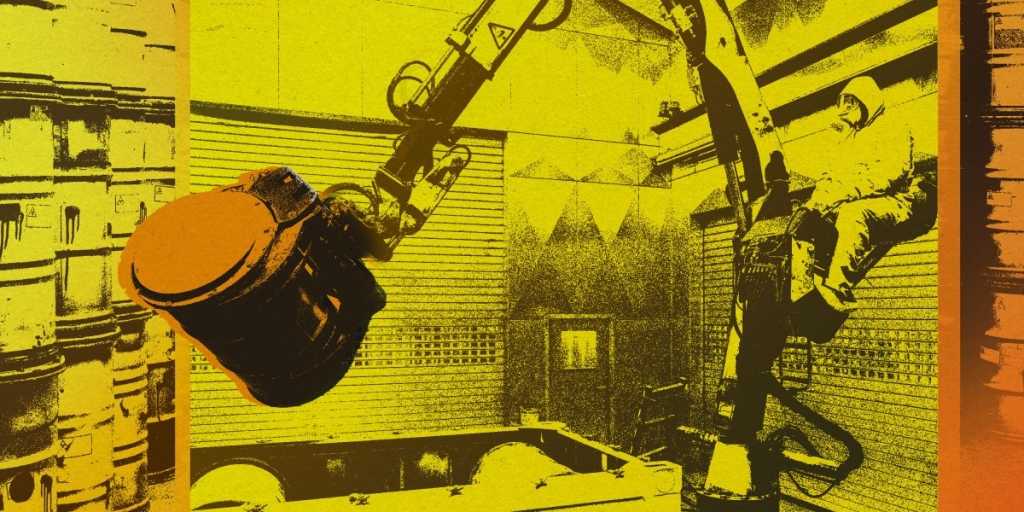
Nuclear energy is experiencing a renaissance, but its waste problem is still unsolved. While the promise of cleaner, more efficient reactors looms on the horizon, experts warn that the next generation of nuclear technology may be creating a whole new set of challenges for long-term waste storage.
The latest nuclear reactors, from sodium-cooled fast reactors to small modular designs, promise to revolutionize energy production. But behind the sleek engineering and ambitious energy goals lies a growing concern: the radioactive waste they produce may be more difficult to manage than ever before.
Fast reactors, for instance, are designed to extract more energy from nuclear fuel by achieving a higher burn-up rate. This means they consume more of the fissile material, squeezing every bit of energy from their fuel rods. However, this efficiency comes at a cost. The spent fuel from these reactors contains a higher concentration of fission products and emits more heat. And heat, as experts warn, could be the deciding factor in how we handle nuclear waste in the future.
“Heat is what really drives how much you can put inside a repository,” explains Paul Dickman, a former Department of Energy and Nuclear Regulatory Commission official. Spent fuel must be kept cool to prevent melting and the release of hazardous by-products. Too much heat in a repository could also damage the surrounding rock, making it unstable and unsafe.
Some advanced reactor designs introduce additional complications. Sodium-cooled fast reactors, like TerraPower’s Natrium reactor, use liquid sodium as a coolant. While this allows for greater efficiency, it also creates unique waste challenges. Sodium can fuse to the fuel casing, making separation difficult. And because sodium is highly reactive with water, the spent fuel requires specialized treatment before disposal.
TerraPower, however, says it has a plan. According to Jeffrey Miller, the company’s senior vice president for business development, they intend to blow nitrogen over the material before placing it in wet storage pools to remove the sodium. This process, they claim, will ensure safe handling and storage.
But waste management isn’t just about chemistry—it’s also about logistics. Many new reactors are smaller than traditional designs, with some companies proposing microreactors that could be deployed in remote locations. While these smaller reactors may produce waste that’s similar to conventional reactors, the sheer number of sites could complicate storage.
In the United States, where nuclear waste is often stored on-site, having dozens or even hundreds of small waste storage locations could be impractical. Some companies are exploring the idea of returning spent fuel to a central location, possibly the same site where the reactors were manufactured. This centralized approach could streamline waste management but would require new infrastructure and regulatory frameworks.
Allison MacFarlane, director of the school of public policy and global affairs at the University of British Columbia and a former chair of the NRC, emphasizes the need for careful planning. “Companies should be required to think carefully about waste and design in management protocols, and they should be held responsible for the waste they produce,” she says.
She also points out that much of the current planning is based on research and modeling. The true challenges will only become apparent once these reactors are operational. “These reactors don’t exist yet, so we don’t really know a whole lot, in great gory detail, about the waste they’re going to produce,” MacFarlane notes.
As the nuclear industry pushes forward with new designs and technologies, the waste problem remains a critical hurdle. While the promise of cleaner, more efficient energy is enticing, the reality of managing the byproducts of that energy is complex and fraught with challenges. The next chapter in nuclear energy will require not just innovation in power generation, but also in waste management.
Tags: nuclear waste, advanced reactors, sodium-cooled reactors, fast reactors, small modular reactors, microreactors, radioactive waste, nuclear energy, TerraPower, Natrium reactor, fission products, heat management, waste storage, centralized waste disposal, nuclear regulation, energy innovation, sustainable energy, nuclear renaissance, spent fuel, chemical processing.
Viral Phrases:
– “Heat is the killer factor”
– “These reactors don’t exist yet”
– “The waste they’re going to produce”
– “The next generation of nuclear waste”
– “Revolutionizing energy, complicating waste”
– “Sodium fusion: the hidden danger”
– “Centralized waste: the future of nuclear?”
– “Planning for the unknown”
– “Efficiency at what cost?”
– “The heat dilemma”
– “From power to problem”
– “Nuclear’s dirty little secret”
– “Waste management: the unsung hero”
– “The ticking time bomb of nuclear energy”
– “Innovation meets responsibility”,

Leave a Reply
Want to join the discussion?Feel free to contribute!