
What Happens If Iran Shuts Down the Strait of Hormuz?
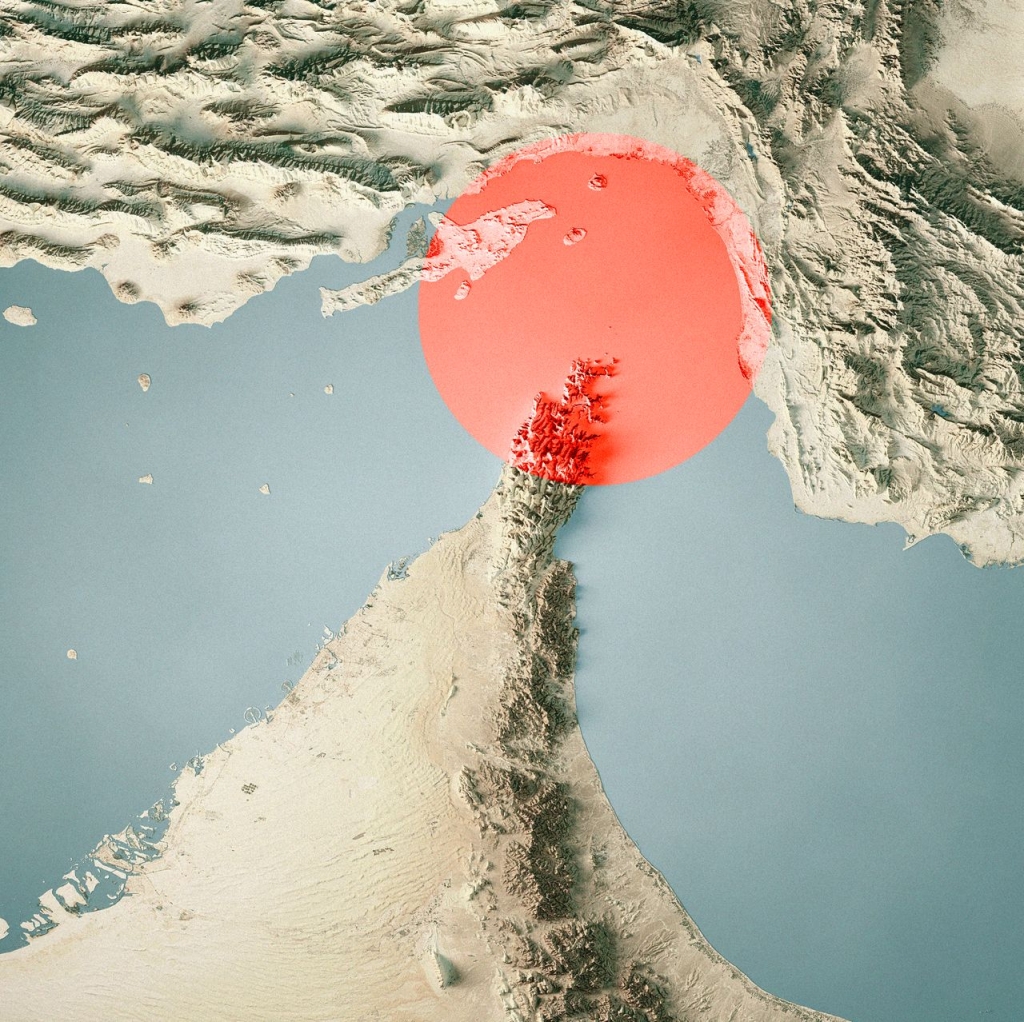
Iran’s Strait of Hormuz Threats Send Shockwaves Through Global Energy Markets
In a dramatic escalation of Middle East tensions, Iran has once again raised the specter of closing the Strait of Hormuz—a narrow but vital waterway through which roughly 20% of the world’s oil supply flows. What began as a strategic bluff is now morphing into a real-world economic chokepoint, as shipping companies scramble to reroute tankers, global oil prices teeter, and energy experts warn of cascading consequences for consumers worldwide.
According to data from S&P Global Commodity Insights, outbound oil and product flows through the Strait have already dipped to about 20.4 million barrels per day in early February—slightly below January levels. This subtle decline, analysts say, is a clear sign that geopolitical tension alone can slow shipments before any physical disruption even occurs. In other words, fear is already reshaping global trade routes.
“Hormuz risk is not only about closure but also fleet productivity,” said analysts at S&P Global CERA. “If Iran escalates by seizing tankers or using drones to threaten commercial traffic, voyage times and possibly costs for Middle East oil exports would further increase.”
And that’s exactly what’s happening. Multiple shipping companies have already reported avoiding the Strait of Hormuz, expecting delays and rescheduled shipments. The threat is no longer abstract—it’s operational.
What Would Closing the Strait Mean?
The Strait of Hormuz is more than just a shipping lane—it’s the jugular of global energy supply. There is no alternative export system at comparable scale. While Saudi Arabia and the UAE operate bypass pipelines, these cover only a portion of Gulf flows. Iraq, Kuwait, and Qatar lack meaningful alternatives.
If the strait were formally closed, most oil exports from the Gulf would be cut off from the world almost immediately. Even if Saudi Arabia and the UAE pushed their alternative pipelines to the limit, analysts say about two-thirds of Gulf exports would still be stuck.
LNG markets would also be hit hard. Qatar, the world’s largest exporter of liquefied natural gas—a super-cooled form of natural gas shipped by tanker—depends almost entirely on the Strait of Hormuz to export its fuel. If the route were blocked, Asian buyers could lose their key suppliers within days. Economies such as Japan, South Korea, China, and India depend heavily on imported LNG to generate electricity.
Getting oil from elsewhere, like the Atlantic, would mean longer shipping times and higher costs, potentially pushing prices even higher. The ripple effects would be felt in everything from the cost of filling up your car to the price of a plane ticket.
How It Could Affect Consumers
Historical modeling suggests that sudden loss of Gulf supply could push oil prices sharply higher. If that happens, the effects would likely reach global consumers quickly: higher gas prices, more expensive airline tickets, and rising transport costs that feed into the price of food and goods.
Financial markets typically react even before physical shortages appear, with oil futures rising, transport-sector equities weakening, and currencies of major energy exporters strengthening as traders price in the risk of disruption. Strategic petroleum reserves could moderate the shock, but releases take time and cannot fully substitute for Gulf crude grades.
Inside the Gulf, stopping exports would quickly strain government finances. Countries such as Iraq, Kuwait, and Qatar rely heavily on oil revenues to fund public spending. If shipments halted, storage facilities could fill rapidly, forcing producers to cut output and lose income.
Shipping effects would extend beyond oil. Tanker rerouting, insurance repricing, and naval risk zones tend to raise freight rates across bulk commodities and container shipping, impacting worldwide logistics.
The Bottom Line
Iran’s threats to close the Strait of Hormuz are more than saber-rattling—they’re a stark reminder of how fragile the global energy supply chain can be. Even the threat of disruption is enough to send markets into a tailspin, reroute shipping lanes, and drive up costs for consumers everywhere. As tensions simmer, the world watches—and waits—to see if this vital artery of global trade will stay open or become the next flashpoint in a volatile region.
Tags: Strait of Hormuz, Iran, oil supply, LNG, global energy, shipping crisis, oil prices, geopolitical tension, Middle East, energy markets, Qatar, Saudi Arabia, UAE, Iraq, Kuwait, strategic petroleum reserves, consumer prices, freight rates, tanker traffic, drone threats, naval escalation, energy security, Asia energy imports, crude oil, liquefied natural gas, energy exports, Hormuz closure, global logistics, oil futures, transport costs.
Viral Phrases: “Iran threatens to close Hormuz”, “20% of world oil at risk”, “LNG markets in chaos”, “Shipping companies reroute tankers”, “Oil prices spike as Hormuz tensions rise”, “Asia’s energy lifeline in danger”, “Global consumers to feel the pinch”, “Drone threats escalate Gulf tensions”, “Strategic petroleum reserves under pressure”, “Energy markets on edge”, “Hormuz: The world’s most important waterway”, “Gulf exports could be cut in half”, “Qatar LNG supply at risk”, “Tanker insurance rates soar”, “Hormuz: The next global flashpoint?”
,


Leave a Reply
Want to join the discussion?Feel free to contribute!