
What Is ‘Eye Stroke’? Expert Explains The Rare Wegovy Risk : ScienceAlert
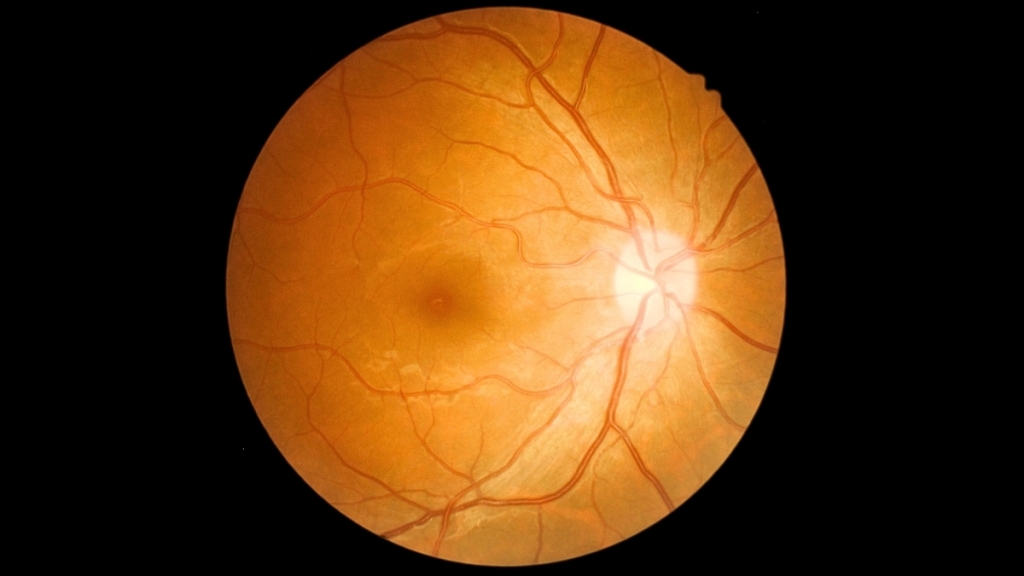
Breaking News: The Hidden Risk Behind Popular Weight-Loss Injections – “Eye Stroke” Raises Alarming Concerns
In a shocking development that’s sending ripples through the medical community, a rare but potentially devastating side effect linked to popular weight-loss injections has come to light. Dubbed “eye stroke,” this condition has been associated with semaglutide-based medications, particularly Wegovy, raising urgent questions about the safety of these widely prescribed treatments.
What Exactly Is This “Eye Stroke”?
The term “eye stroke” might sound like medical jargon, but it’s actually a colloquial way to describe a serious condition where reduced blood flow damages the optic nerve, leading to sudden and potentially permanent vision loss. The formal medical term is non-arteritic anterior ischaemic optic neuropathy (NAION), and while it’s extremely rare, the implications are severe enough to warrant immediate attention.
The Connection to Weight-Loss Drugs
Recent large-scale studies examining semaglutide, the active ingredient in several popular weight-loss drugs including Wegovy, Ozempic, and Rybelsus, have revealed a concerning pattern. Researchers analyzing over 30 million side effects reported to the FDA found that 31,774 involved semaglutide, with Wegovy showing a dramatically higher association with NAION compared to other formulations.
The numbers are particularly striking: the risk of eye stroke from Wegovy was found to be almost five times greater than from Ozempic, despite Wegovy being linked to fewer overall reported side effects. This discrepancy has left researchers puzzled and patients concerned.
Why Wegovy Might Pose Greater Risk
The answer may lie in how these medications are administered. Wegovy is given at higher maximum doses than Ozempic through injection, which allows the drug to enter the bloodstream faster and in greater concentrations. Notably, no link was found between NAION and Rybelsus, the tablet form of semaglutide, suggesting that the delivery method plays a crucial role.
The speed at which Wegovy causes weight loss may also be a factor. The human body operates as a finely balanced system, and when an external drug significantly alters hormone behavior, it can affect other bodily functions in unexpected ways. The autonomic nervous system, which controls involuntary functions like heart rate and digestion, relies on a careful balance of hormones to maintain equilibrium.
A Particularly Vulnerable Population
Adding another layer of complexity to this issue is the finding that men taking these weight-loss treatments appear to face three times the risk of vision loss compared to women. The study didn’t provide detailed information about the differences between male and female participants, leaving many questions unanswered about why this gender disparity exists.
Understanding the Mechanism
To grasp why this side effect occurs, it helps to understand how semaglutide works. It’s a synthetic version of a naturally occurring hormone called GLP-1, which helps regulate blood sugar by stimulating insulin production, reducing glucagon release, and slowing digestion. While these effects are beneficial for managing diabetes and promoting weight loss, they may also affect blood pressure and circulation in ways that impact the delicate blood vessels serving the retina.
The retina is served by some of the tiniest blood vessels in the body, and it depends on these small vessels for its oxygen supply. Any significant change in blood pressure can seriously disrupt this delicate circulation, potentially leading to the kind of damage seen in NAION.
The Industry Response
Novo Nordisk, the manufacturer of these medications, has responded to these findings by emphasizing patient safety as their top priority. They’ve updated the EU patient leaflets for Wegovy, Ozempic, and Rybelsus to include information about NAION. However, they maintain that “based on the totality of evidence, we concluded that the data did not suggest a reasonable possibility of a causal relationship between semaglutide and NAION and Novo Nordisk believes that the benefit-risk profile of semaglutide remains favourable.”
What This Means for Patients
While the link between semaglutide and vision loss has been identified, it’s crucial to understand that this side effect remains extremely rare. The benefits of these medications for managing type 2 diabetes, heart disease, and obesity are well-established and significant for millions of patients.
However, this discovery underscores the importance of properly designed clinical trials that assess risk levels, especially as semaglutide is being prescribed for an expanding range of conditions and increasingly to younger patients. Understanding safe dosage levels and identifying factors that may make some people more vulnerable than others is essential for ensuring these treatments don’t lead to life-changing sight loss.
As research continues, patients and healthcare providers alike must stay informed about these developments while weighing the proven benefits against the potential risks. The medical community now faces the challenge of balancing the undeniable advantages of these weight-loss treatments with the need to protect patients from rare but serious complications.
Tags: eye stroke, weight-loss injections, semaglutide, Wegovy, Ozempic, Rybelsus, NAION, vision loss, FDA, medical research, diabetes treatment, obesity medication, side effects, Novo Nordisk, clinical trials, blood pressure, optic nerve, retinal damage, gender differences, drug safety, rare complications
Viral Phrases:
“Eye stroke” linked to weight-loss drugs
Wegovy risk five times higher than Ozempic
Men three times more likely to experience vision loss
Rare but devastating side effect emerges
Medical community in shock over new findings
Blood flow disruption causes optic nerve damage
Synthetic hormone affects delicate eye circulation
Injection method may increase risk
Tablet form shows no connection to vision problems
Patient safety concerns grow as usage expands
Benefit-risk profile under scrutiny
Manufacturer updates warning labels
Millions affected by diabetes and obesity drugs
Delicate balance of body’s systems disrupted
Unexpected consequences of weight-loss treatments
Gender disparity in drug reactions discovered
Clinical trials urgently needed for risk assessment
Younger patients increasingly prescribed these medications
Medical mystery deepens as research continues
Balancing proven benefits against potential dangers,

Leave a Reply
Want to join the discussion?Feel free to contribute!