
What is Pokopia? Inside the calming Pokémon game that ditches battles for gardening | Games
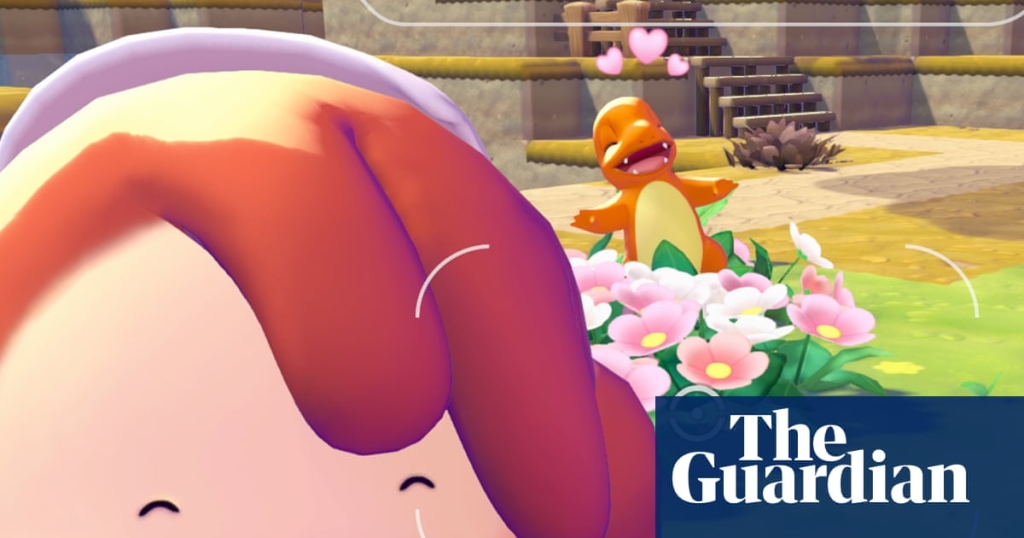
Pokémon’s New Frontier: Pokopia Blends Creature Collecting with Cozy Crafting in a Post-Battle Paradise
When you think of Pokémon, certain images immediately spring to mind: trainers throwing Poké Balls, epic battles between fire-breathing dragons and electric rodents, and the triumphant music that plays when you finally defeat the Elite Four. For three decades, that formula has remained largely unchanged—until now. Nintendo and Game Freak have boldly reimagined what a Pokémon game can be with Pokopia, a revolutionary Switch 2 exclusive that trades gym badges for gardening gloves and replaces competitive battling with creative construction.
A World Reborn: From Barren Wasteland to Pokémon Paradise
Pokopia drops players into a landscape that’s simultaneously familiar and alien to Pokémon veterans. Gone are the bustling towns filled with eager trainers, the winding routes patrolled by rival Pokémon, and the ominous Team Rocket hideouts. Instead, you find yourself in a desolate expanse that looks like it’s been forgotten by time itself—until you realize this emptiness is your canvas.
The premise is deceptively simple: restore this ruined world by creating habitats that attract Pokémon. But this isn’t just another building simulator with Pokémon pasted on top. The game fundamentally reimagines the relationship between trainer and Pokémon, human and creature, builder and world.
You don’t play as a trainer at all. Instead, you embody a shape-shifting Ditto, haunted by fragmented memories of its former human companion. This narrative choice isn’t merely cosmetic—it’s central to the game’s philosophical approach. By removing the traditional human protagonist, Pokopia asks players to see the Pokémon world from the perspective of the creatures themselves, fostering empathy and connection that goes beyond the typical “gotta catch ’em all” mentality.
The Professor with Personality: Meet Tangrowth
Your guide through this reconstruction journey is Professor Tangrowth, a botanical brainiac whose curly vines sport a data disc and whose chin cradles a pair of scholarly spectacles. This isn’t your typical Pokémon professor—Tangrowth has personality in spades, delivering exposition with wit and warmth that makes every tutorial feel like a conversation with an eccentric uncle rather than a mandatory instruction manual.
The professor’s mission briefing sets the tone for everything that follows: you’re not here to conquer or collect, but to restore balance to a world that’s lost its way. The Pokémon need homes, not cages. They need companions, not commanders. This philosophical shift permeates every aspect of gameplay.
Building Blocks of Friendship: The Crafting System
Where traditional Pokémon games focus on leveling up through combat, Pokopia centers on environmental restoration through creative construction. The crafting system is both accessible and surprisingly deep, allowing players to terraform landscapes, build structures, and create the perfect conditions for different Pokémon species to thrive.
The process begins with the most fundamental element of any Pokémon habitat: grass. As you till the soil and plant seeds, the game lovingly recreates that magical moment from Pokémon’s development history—the instant when grass first appeared on the map and Pokémon suddenly materialized. A Bulbasaur shuffles into view, its bulb bobbing as it investigates this new growth. There’s no battle prompt, no Poké Ball icon hovering overhead. Just a creature curiously approaching, ready to become your friend rather than your fighter.
This pattern repeats throughout the game. Every new Pokémon you encounter becomes a potential ally in your restoration efforts. Scyther teaches you to cut down trees with comically oversized blade-arms. Squirtle shows you how to water plants by transforming your Ditto appendages into a fountain-like water-spewing apparatus. Each ability learned is accompanied by that iconic Pokémon level-up fanfare, creating a sense of progression that feels earned rather than combat-based.
The Art of Chill and Pop: Visual Design Philosophy
Art director Marina Ayano brings a fresh perspective to the Pokémon aesthetic, having grown up with the franchise herself. Her team settled on two guiding principles during development: “chill and pop.” This philosophy manifests in every visual element of Pokopia.
“Chill” translates to the game’s pacing and atmosphere. There’s no timer ticking down, no rival racing ahead of you, no urgent quest that demands immediate attention. You can spend hours simply watching Pokémon interact with their environment, or meticulously crafting the perfect flower arrangement for a Jigglypuff’s garden. The game encourages mindfulness and appreciation of small moments.
“Pop” ensures that this relaxed experience never becomes dull. The color palette is vibrant without being overwhelming, with each Pokémon rendered in loving detail that highlights their cutest features. Even the UI pops with personality, featuring hand-drawn elements that make the interface feel like part of the world rather than a layer imposed upon it.
Character Creation: The Uncanny Valley of Pokémon Trainers
The character creation system deserves special mention for its bold approach to avatar design. Since you’re playing as a Ditto attempting to approximate human form based on fragmented memories, the resulting character exists in that fascinating space between cute and unsettling. Your avatar wobbles slightly when it walks, its proportions just slightly off from what we expect in human characters.
This design choice serves multiple purposes. It maintains the game’s commitment to Pokémon-centricity by ensuring humans never look quite as polished or perfect as the creatures themselves. It also creates a sense of otherworldliness that reinforces the narrative—you’re not really human, you’re a Pokémon trying to remember what being human felt like.
Players can customize their Ditto-human hybrid extensively, but there’s an underlying charm to the slight imperfections that remain. It’s a reminder that this character is an approximation, a memory filtered through the consciousness of a creature that doesn’t quite understand humanity.
Beyond the Single Player: Social Features and Island Hopping
Pokopia doesn’t exist in isolation. The game features robust multiplayer options that let you visit friends’ islands and collaborate on larger restoration projects. Travel between islands takes on new meaning when you can transform into different Pokémon for the journey—surfing between lands as a Lapras-Ditto hybrid or soaring through the skies in Dragonite form.
These social features extend the game’s core philosophy of cooperation over competition. Instead of battling friends to prove who’s the better trainer, you work together to create bigger, better habitats. Trading takes on new significance when you’re not just exchanging Pokémon but sharing design ideas, landscaping techniques, and restoration strategies.
Writing with Heart: Pokémon Dialogue That Actually Matters
One of Pokopia‘s most pleasant surprises is the quality of its writing. Pokémon games have historically featured serviceable but unremarkable dialogue, but here the script sparkles with personality. Without human trainers in the world, the Pokémon communicate directly with players, and their conversations reveal depths of character that battling mechanics never allowed.
Each species has distinct speech patterns and personality traits. The emo Umbreon who requests a black-painted home, the enthusiastic Pidgey who can’t stop talking about its new birdhouse, the sleepy Charmander who just wants a comfortable place to nap—these aren’t just flavor text, they’re fully realized characters with desires, fears, and quirks.
Director Takuto Edagawa explains that this approach required careful consideration of Pokémon psychology. “What are they thinking? How are they feeling?” became guiding questions during development. The result is a world where Pokémon feel less like collectible monsters and more like neighbors, each with their own story and place in the community.
The Future of Pokémon: Beyond Battles
Perhaps the most significant aspect of Pokopia is what it suggests about the future of the Pokémon franchise. This is Game Freak’s first direct involvement in a major spin-off title, and director Shigeru Ohmori hints that the experimental elements in Pokopia could influence mainline Pokémon games.
“For many years, battles have been the focus,” Ohmori reflects. “But there are so many other elements to these games, and I believe that fans have enjoyed these components as well.” He expresses interest in scaling Pokémon games beyond battling, exploring new possibilities for world-building and player interaction.
This represents a potential paradigm shift for a series that has, by its own immense success, become somewhat trapped by its formula. If Pokopia proves successful, we might see future Pokémon games that blend traditional battling with more creative, constructive gameplay elements.
Technical Marvel: The Switch 2 Advantage
Pokopia serves as a showcase for the Nintendo Switch 2’s enhanced capabilities. The game features seamless world loading, with no visible pop-in as you explore your growing island paradise. The physics engine allows for realistic water flow, plant growth, and Pokémon movement patterns that make the world feel alive.
The Switch 2’s improved processing power enables Pokopia to render dozens of Pokémon simultaneously without performance issues, allowing for the busy, bustling habitats that the game encourages players to create. The HD rumble feature adds tactile feedback to crafting actions, making the simple act of planting grass feel satisfyingly physical.
Critical Reception and Player Response
Early previews of Pokopia have generated significant buzz within the gaming community. Critics praise the game’s willingness to break from tradition while maintaining the charm and accessibility that made Pokémon a global phenomenon. The crafting mechanics have drawn comparisons to Animal Crossing: New Horizons and Dragon Quest Builders, but with a uniquely Pokémon flavor that sets it apart.
Players who’ve experienced preview builds report spending hours simply exploring and experimenting, often losing track of time as they watch Pokémon interact with their creations. The game’s “chill and pop” aesthetic seems to have struck a chord with audiences seeking relaxing, creative experiences in an increasingly stressful world.
The Broader Impact: What Pokopia Means for Gaming
Pokopia represents more than just a new Pokémon game—it’s a statement about the evolution of gaming itself. In an industry often dominated by competitive multiplayer shooters and high-stakes narrative experiences, Pokopia offers something different: a space for creativity, relaxation, and gentle exploration.
The game’s success could encourage other major franchises to experiment with similar format shifts. Imagine a Legend of Zelda game focused on kingdom-building rather than dungeon-crawling, or a Mario title centered on creating custom courses rather than completing them. Pokopia demonstrates that even the most established gaming formulas can be reimagined successfully.
Conclusion: A New Chapter for a Beloved Franchise
As Pokémon celebrates its 30th anniversary, Pokopia feels like both a love letter to the series’ past and a bold step into its future. By stripping away the competitive elements that have defined Pokémon for three decades, the game reveals the heart of what makes these creatures special: their charm, their personality, and their ability to spark imagination and connection.
Whether Pokopia represents a permanent shift in the Pokémon franchise or simply a fascinating experiment remains to be seen. But one thing is certain: Nintendo and Game Freak have created something genuinely special here. In a gaming landscape often characterized by sequels that play it safe and remakes that coast on nostalgia, Pokopia dares to be different—and in doing so, it might just be the most Pokémon game ever made.
Viral Tags & Catchphrases:
- 🌱 Pokémon goes cozy! Building beats battling in Pokopia!
- 🎨 Chill and pop aesthetic takes over the Pokémon world
- 🦋 Shape-shifting Ditto becomes your avatar in this revolutionary game
- 🏡 No more Poké Balls! Pokémon roam free in player-created habitats
- ✨ Professor Tangrowth brings personality to Pokémon academia
- 🎮 Switch 2 exclusive showcases next-gen Pokémon gameplay
- 🤝 Cooperation over competition – the new Pokémon philosophy
- 🌿 Environmental restoration meets creature collecting
- 💬 Pokémon talk back! Deep dialogue replaces generic trainer interactions
- 🔄 Game Freak’s bold experiment could change Pokémon forever
- 🎉 30th anniversary celebration breaks all the rules
- ⚔️ Battles optional! Creative construction takes center stage
- 🌈 Universal cuteness appeals to players of all ages
- 🔧 Crafting system that’s both accessible and surprisingly deep
- 🌎 Social features let you island-hop with friends
- 💡 What if Pokémon wasn’t about fighting? Pokopia answers
- 🚀 The future of Pokémon starts here
- 🧩 Ditto-human hybrid character creation breaks the mold
- 🎵 Level-up music for learning crafting moves? Yes please!
- 🏆 Beyond gym badges – create habitats instead of collecting them
,


Leave a Reply
Want to join the discussion?Feel free to contribute!