
What RAM crisis? I’ve found 11 can’t-miss laptop deals in Dell’s latest sale
AI Data Centers Spark RAM Shortage, Sending Laptop Prices Soaring
In a shocking twist of technological irony, the very artificial intelligence systems designed to optimize our world are now wreaking havoc on the consumer electronics market. AI data centers, hungry for computational power to fuel their ever-expanding neural networks, have begun bulk-purchasing RAM at unprecedented rates. This voracious appetite has triggered what industry experts are calling “RAMaggedon” – a perfect storm of supply chain disruption that’s sending laptop prices through the stratosphere.
The RAM Crisis: How AI Became Its Own Worst Enemy
The silicon gold rush began innocently enough. As companies raced to develop increasingly sophisticated AI models, the computational requirements exploded exponentially. Large Language Models (LLMs) and generative AI systems demand massive amounts of high-speed memory to process the billions of parameters that make them function. What started as a trickle of data center purchases has become a torrent, with major tech companies securing multi-year contracts for premium RAM modules.
Industry insiders report that some hyperscale data centers are now consuming up to 40% of global RAM production, leaving traditional manufacturers scrambling. The shortage has created a domino effect throughout the supply chain, with prices for DDR5 modules increasing by as much as 65% year-over-year. For consumers, this translates directly to sticker shock when shopping for new laptops.
Dell’s XPS 14 (2025): A Beacon of Hope in Troubled Times
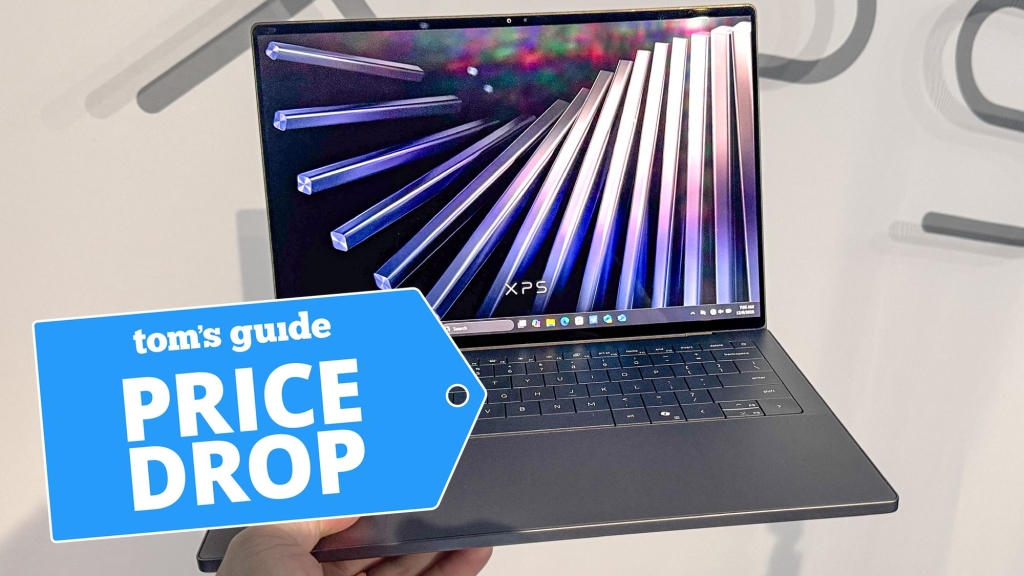
Despite the gloomy market conditions, savvy shoppers can still find exceptional deals if they know where to look. Dell, recognizing the opportunity to move inventory during this turbulent period, has launched an aggressive promotion offering up to $800 off select laptops and desktops. Hidden within this broader sale is a particularly enticing offer: $220 off the brand-new XPS 14 (2025).
Our comprehensive review of the XPS 14 (2025) revealed a machine that punches well above its weight class. The laptop features Intel’s latest Core Ultra processors, delivering performance that rivals desktop workstations while maintaining the sleek, premium aesthetic that defines the XPS line. Battery life exceeded expectations, with the laptop lasting nearly 14 hours under mixed-use conditions – a remarkable achievement for such a powerful machine.
The current discount brings the XPS 14’s price down to a more accessible range, though it’s worth noting that configurations with higher RAM specifications (16GB and above) are selling out rapidly. This scarcity underscores the broader market dynamics at play and suggests that consumers should act quickly if they find a configuration that meets their needs.
The New Reality of Laptop Shopping
For those tracking laptop deals professionally, the landscape has fundamentally shifted. Where once finding discounts of 20-30% on premium machines was commonplace, such deals are now rare exceptions rather than the rule. The RAM shortage has forced manufacturers to reevaluate their pricing strategies, with many companies passing increased component costs directly to consumers.
Budget-conscious shoppers are feeling the pinch most acutely. Entry-level laptops, traditionally priced under $500, have seen price increases of 15-20% as manufacturers struggle to source affordable memory components. The days of snagging a capable Chromebook or basic Windows laptop for under $300 appear to be over, at least for the foreseeable future.
Strategic Buying in a Volatile Market
Despite these challenges, opportunities still exist for informed consumers. Our analysis of current market conditions reveals several strategies for maximizing value:
Timing is Everything: Retailers typically offer their most aggressive laptop discounts during back-to-school season and Black Friday. While these events may still see price reductions, the absolute savings are likely to be smaller than in previous years due to the underlying cost pressures.
Configuration Flexibility: Being open to slightly different specifications can yield significant savings. For instance, a model with 8GB RAM instead of 16GB might be available at a substantial discount, with the option to upgrade memory later when prices stabilize.
Refurbished and Open-Box Options: With new inventory constrained, many retailers are expanding their certified refurbished programs. These machines, often with minimal use, can offer substantial savings while maintaining warranty protection.
The Road Ahead: When Will Prices Normalize?
Industry analysts are divided on the timeline for market stabilization. Some predict that the RAM shortage could persist through 2026 as AI development shows no signs of slowing. Others are more optimistic, suggesting that increased production capacity and potential breakthroughs in memory technology could alleviate pressure by late 2025.
One thing is certain: the relationship between AI advancement and consumer electronics pricing has entered a new, more complex phase. As artificial intelligence continues its march toward ubiquity, the infrastructure required to support it will increasingly impact everyday technology costs.
Tags & Viral Phrases
RAMaggedon, AI data centers, silicon shortage, DDR5 crisis, laptop price surge, XPS 14 deal, memory shortage 2025, tech inflation, AI infrastructure, consumer electronics shortage, Dell XPS discount, RAM price crisis, AI training costs, laptop market disruption, silicon gold rush, hyperscale data centers, memory module shortage, tech industry shakeup, AI-powered price increases, computing component crisis, AI development impact, RAM market volatility, laptop deal hunting, technology supply chain, AI infrastructure boom, consumer tech inflation, silicon component shortage, AI computational demands, memory price surge, laptop configuration strategy, refurbished tech savings, AI advancement costs, computing market disruption, RAM production constraints, AI model requirements, tech industry transformation, silicon supply crisis, AI infrastructure investment, consumer electronics pricing, memory technology breakthrough, AI development race, laptop market evolution, silicon manufacturing challenges, AI computational explosion, technology market adaptation, RAM supply constraints, AI infrastructure scaling, computing component inflation, tech market volatility
,

Leave a Reply
Want to join the discussion?Feel free to contribute!