
What slowdown? Apple says iOS 26 adoption is right on track.
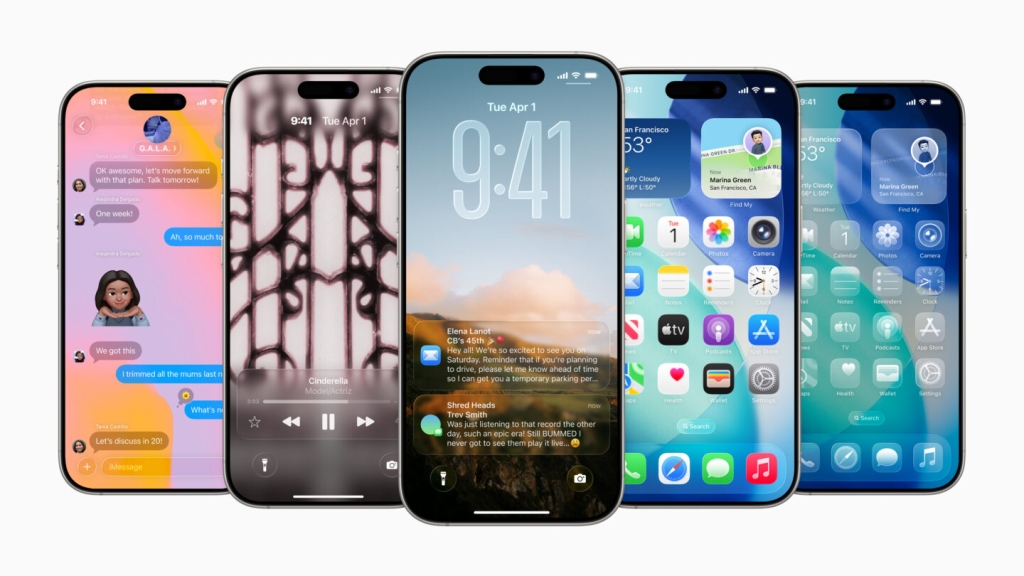
Apple’s iOS 26 Adoption Rate Proves Skeptics Wrong as 74% of iPhones Upgrade Amid Liquid Glass Controversy
Apple has released official data revealing that iOS 26 adoption is tracking right in line with previous major iPhone updates, effectively squashing rumors that the controversial new operating system is experiencing unusually slow uptake among users.
The tech giant reported that approximately 74% of iPhones manufactured within the past four years now run iOS 26, a figure measured by devices that accessed the App Store on February 12, 2026. This adoption rate mirrors the patterns seen with iOS 18, iOS 17, and iOS 16 in their respective early months, demonstrating that despite significant online criticism, iPhone users continue to embrace Apple’s latest software offering at a consistent pace.
The Great iOS 26 Adoption Mystery Finally Solved
What made iOS 26’s adoption rate particularly intriguing was the confusion that surrounded its initial rollout. Early reports from web analytics firm StatCounter painted a grim picture, suggesting that iOS 26 adoption was hitting historic lows compared to previous versions. These reports spread rapidly across social media and tech news outlets, fueling speculation that Apple’s latest update was facing unprecedented resistance from users.
The mystery behind these surprisingly low numbers was solved when Apple revealed a deliberate behind-the-scenes decision: the company intentionally misidentifies devices running iOS 26 as running iOS 16 in certain contexts. This strategic move was implemented specifically to combat sophisticated fingerprinting techniques employed by unscrupulous advertisers who attempt to track individual iPhone users across the internet.
By making iOS 26 devices appear identical to iOS 16 devices from a technical identification standpoint, Apple has effectively thrown a wrench into the gears of these invasive tracking mechanisms. While this decision created temporary confusion about actual adoption rates, it represents Apple’s continued commitment to user privacy and its willingness to implement creative solutions to protect its customer base.
The analytics firm has since updated its methodology and reports, aligning more closely with Apple’s official figures and confirming that iOS 26 adoption is proceeding at a perfectly normal pace for a major iPhone operating system release.
Liquid Glass and the Price of Innovation
While the numbers show that iPhone users are upgrading at expected rates, the qualitative feedback on iOS 26 has been decidedly mixed. Apple’s latest update has sparked one of the most polarizing debates in recent iPhone history, with the redesigned Liquid Glass interface emerging as the primary lightning rod for controversy.
The Liquid Glass design language represents Apple’s most ambitious visual overhaul since the introduction of iOS 7, featuring translucent elements, depth effects, and a shimmering aesthetic that the company describes as “forward-looking.” However, this bold reimagining of the iPhone experience has drawn sharp criticism from a vocal segment of users who find the new interface visually overwhelming, difficult to read, and potentially problematic for device performance.
Critics have raised multiple concerns about iOS 26. Some users report that the Liquid Glass effects create visual clutter that makes it harder to focus on content, while others worry about the additional processing power required to render these sophisticated visual elements. Perhaps most significantly, there are widespread reports of performance degradation on older iPhone models, with users complaining of slower app launches, reduced battery life, and occasional system instability.
The controversy extends beyond mere aesthetics. Several core applications received significant redesigns in iOS 26, altering familiar workflows that many users had developed over years of iPhone usage. These changes, while intended to modernize the user experience, have disrupted established patterns and created frustration for those who prefer consistency over novelty.
Apple’s Response: iOS 27 Already in the Works
Despite the criticism, Apple appears to be taking user feedback seriously. Early reports suggest that the company has made cleaning up and optimizing the iPhone operating system a primary focus for iOS 27, the next major update expected later this year.
This strategic pivot indicates that Apple recognizes the concerns raised by users while maintaining its commitment to innovation. The company seems to be striking a delicate balance between pushing the envelope with new design concepts and ensuring that its devices remain responsive, efficient, and user-friendly across all supported hardware generations.
Industry analysts suggest that iOS 27 will likely retain some elements of the Liquid Glass aesthetic while addressing performance concerns and potentially offering more customization options to accommodate different user preferences. This approach would allow Apple to maintain its design vision while providing the flexibility that many users are demanding.
The Numbers Tell the Real Story
The 74% adoption rate for iOS 26 speaks volumes about the iPhone ecosystem and Apple’s relationship with its user base. Despite the vocal criticism on social media platforms and tech forums, the vast majority of iPhone users are choosing to upgrade to the latest software, suggesting that the controversy, while real, may be somewhat amplified by the nature of online discourse.
This pattern reflects the unique dynamics of the Apple ecosystem, where hundreds of millions of users have access to the latest software updates regardless of their device’s age. Unlike Android, where fragmentation remains a persistent challenge, Apple’s ability to deliver consistent updates across multiple hardware generations creates a unified user experience that most customers seem to value, even when specific updates generate controversy.
The data also underscores the complexity of managing a global platform with diverse user needs and preferences. What appears revolutionary to some users may feel disruptive to others, and Apple must navigate these competing interests while maintaining its commitment to innovation and privacy protection.
Looking Ahead: The Future of iPhone Software
As iOS 26 continues its steady adoption curve, the tech industry watches closely to see how Apple will evolve its software strategy in response to user feedback. The company’s decision to prioritize privacy through creative technical solutions, combined with its willingness to push bold design changes, demonstrates its confidence in its vision for the future of mobile computing.
The controversy surrounding iOS 26 may ultimately prove to be a valuable learning experience for Apple, providing insights into user preferences and technical limitations that will inform future updates. As the company prepares for iOS 27 and beyond, it appears poised to deliver software that balances innovation with the practical needs of its massive and diverse user base.
For now, the numbers are clear: iOS 26 is succeeding in the most important metric of all – getting installed on iPhones at a rate consistent with Apple’s historical patterns. Whether users ultimately embrace or reject the Liquid Glass aesthetic, the update is reaching devices and providing the security updates, bug fixes, and new features that have become essential to the modern iPhone experience.
Tags: iOS 26 adoption rate, Liquid Glass controversy, Apple iPhone update, iOS 26 problems, iPhone software update, Apple privacy features, iOS 26 performance issues, iPhone Liquid Glass design, Apple iOS 27 rumors, iOS 26 user complaints, iPhone update controversy, Apple software adoption, iOS 26 vs iOS 17 comparison, iPhone privacy protection, Liquid Glass interface criticism, Apple ecosystem updates, iOS 26 battery drain, iPhone design language evolution, Apple user feedback response, iOS 26 security features, iPhone performance optimization, Apple software controversy, iOS 26 fingerprint protection, iPhone visual redesign, Apple update statistics, iOS 26 user experience, iPhone software fragmentation, Apple design philosophy, iOS 26 vs previous versions, iPhone update resistance, Apple innovation criticism, iOS 26 adoption mystery, iPhone interface controversy, Apple software strategy, iOS 26 technical issues, iPhone user satisfaction, Apple ecosystem cohesion, iOS 26 visual effects, iPhone update patterns, Apple privacy measures, iOS 26 performance concerns, iPhone design evolution, Apple user preferences, iOS 26 controversy explained, iPhone software optimization, Apple update reception, iOS 26 user feedback, iPhone aesthetic changes, Apple software development, iOS 26 adoption statistics
,

Leave a Reply
Want to join the discussion?Feel free to contribute!