
What to Know About At-Home STI Tests: Pros, Cons, and Recommendations (2026)
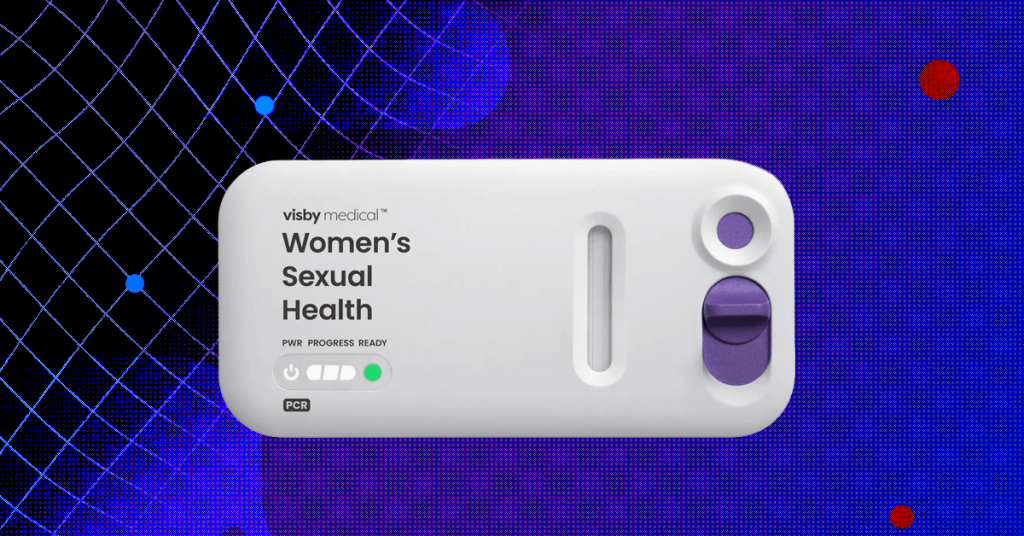
The Hidden Truth About At-Home STD Testing: What Nobody Tells You
If the thought of sitting in a sterile waiting room, filling out forms about your sexual history, and having a medical professional ask you intimate questions makes your palms sweat, you’re not alone. For millions of people, the anxiety of traditional STI testing is enough to keep them from getting screened altogether—and that’s where at-home testing promises to change everything.
The convenience factor is undeniable. You can collect samples in the privacy of your own bathroom, at whatever time works for you, without having to take time off work or arrange transportation. If you live in a rural area where the nearest clinic is an hour away, or if your work schedule makes traditional appointments nearly impossible, these tests can literally be lifesavers. Many people also appreciate the ability to pay out-of-pocket, avoiding the potential privacy concerns of insurance statements or the hassle of navigating coverage for preventive sexual health care.
But perhaps the most compelling reason people turn to at-home testing is the persistent stigma surrounding sexually transmitted infections. Despite the fact that STIs affect millions of Americans every year, there’s still an uncomfortable silence around the topic. The shame and embarrassment that many people feel can be paralyzing, preventing them from seeking the care they need. At-home tests offer a way to take control of your sexual health without having to face potential judgment or uncomfortable conversations.
The Reality Check: Why At-Home STI Tests Might Not Be the Miracle Solution You’re Looking For
Here’s the uncomfortable truth that companies selling these tests don’t always emphasize: at-home STI testing comes with significant limitations that could actually put your health at risk.
Let’s talk about the financial elephant in the room. These tests aren’t cheap. While prices vary depending on which infections you’re screening for, you’re typically looking at anywhere from $50 to $200 per test kit. Compare that to free testing offered by many city health departments, county clinics, or organizations like Planned Parenthood, and the math becomes pretty clear. Even if you have to take public transportation or miss an hour of work to get to a free clinic, you’re likely saving significant money.
But cost isn’t even the most concerning issue. The accuracy of these tests depends entirely on you collecting the sample correctly. And let’s be honest—most of us aren’t trained medical professionals. Whether you’re trying to swab the right area, collect enough urine, or avoid contaminating the sample, there are numerous opportunities for error. A false negative could give you a dangerous sense of security, potentially leading you to unknowingly spread an infection to partners.
Dr. Gary Schoolnik, Chief Medical Officer at Visby Medical, emphasizes this point: “It’s important to follow the kit instructions exactly and collect the sample properly while avoiding contamination. You should also follow the warnings and avoid factors that can interfere with results, including incorrect kit storage or use of certain products in the last 48 hours.”
Your body’s current state can also dramatically impact test accuracy. If you’re menstruating, recently took antibiotics, or have other temporary health conditions, your test results might be compromised. A healthcare provider can account for these variables and adjust their testing approach accordingly, but an at-home test can’t make those real-time assessments.
Perhaps most critically, at-home tests aren’t appropriate for every situation. If you’re experiencing symptoms like unusual discharge, burning during urination, sores, or pelvic pain, you need to see a healthcare provider immediately. Similarly, if you’re pregnant, immunocompromised, or know you’ve been exposed to an STI, professional medical care isn’t optional—it’s essential. As sexual health expert Roos points out, “I still recommend people who’re having symptoms or know they’ve been with someone that has an STI to seek professional sexual health care to be completely sure, as a false result from a do-it-at-home-kit can make you think you’re okay and therefore dismiss or overlook symptoms.”
There’s also the privacy paradox to consider. While you might think testing at home is more discreet, the reality is that test kits come in packaging that could raise questions if someone sees them in your trash. And receiving positive results via email or an app notification in your kitchen might be more traumatic than hearing difficult news from a trained professional who can immediately discuss treatment options and next steps.
The bottom line is that while at-home STI testing can be a valuable tool for routine screening in low-risk situations, it shouldn’t replace regular check-ups with healthcare providers. The best approach might be using at-home tests for convenient between-visit screening while still maintaining a relationship with a healthcare provider who knows your full medical history and can provide comprehensive care when needed.
Your sexual health is too important to leave to chance. Whether you choose at-home testing or traditional clinic visits, the most crucial thing is that you’re taking proactive steps to protect yourself and your partners. Because in the end, getting tested—however you choose to do it—is always better than not getting tested at all.
tags #STItesting #sexualhealth #at hometesting #healthcare #privacy #medicaltesting #STIawareness #sexualwellness #healthtech
sentences #Take control of your sexual health #Don’t let stigma prevent you from getting tested #Your health is worth the investment #Accuracy matters when it comes to STIs #Know the limitations before you test at home #Professional care when you need it most #The convenience trap of at-home testing #Breaking the silence around STIs #Your body, your choice, your health #Test smart, not just conveniently
,


Leave a Reply
Want to join the discussion?Feel free to contribute!