
What to know about the jury trials of Meta, Snap, TikTok and YouTube | Social media
The courtroom battle that could reshape the digital landscape is finally here. For the first time, social media giants face a jury over claims their platforms are intentionally designed to be addictive and harmful to young users. Hundreds of parents, teens, and school districts have sued Meta, Snap, TikTok, and YouTube, with the first landmark trial kicking off in Los Angeles this week. Jury selection began Tuesday, setting the stage for a high-stakes showdown that could force Silicon Valley to fundamentally change how its products work.
At the heart of the case is a 20-year-old plaintiff, known only by the initials KGM, who alleges she suffered severe physical and emotional harm after becoming addicted to social media at just 10 years old. This initial trial is expected to last six to eight weeks and is the first of about 22 “bellwether” cases—test runs that could set the tone for how similar lawsuits are handled nationwide. Notably, Snap and TikTok have already settled with the plaintiff, leaving Meta and YouTube to face the music.
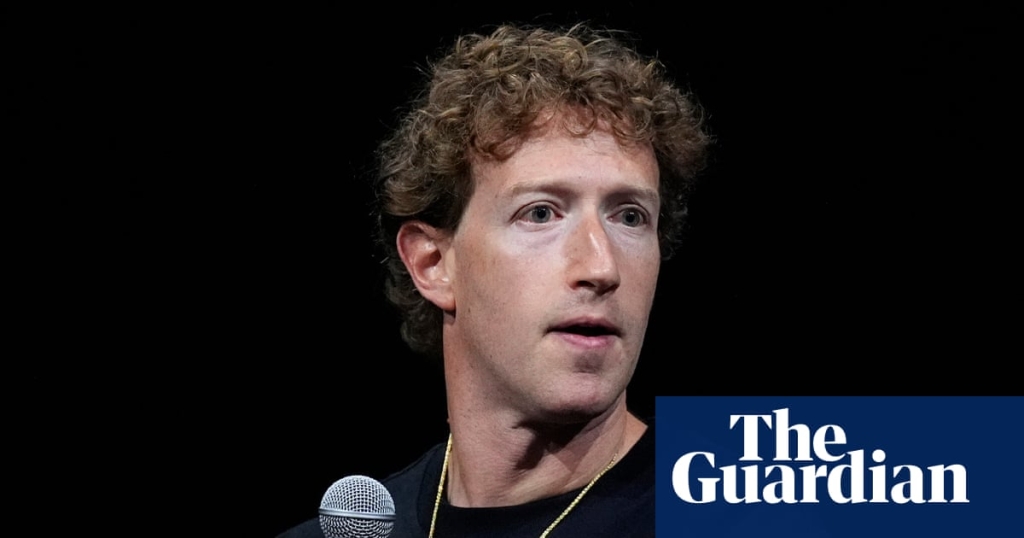
Meta CEO Mark Zuckerberg, YouTube CEO Neal Mohan, and Instagram CEO Adam Mosseri are all expected to testify, as both sides prepare to bring in experts to debate the science of social media addiction. The stakes couldn’t be higher: plaintiffs are seeking not just financial compensation, but injunctive relief that would establish new safety standards across the industry.
Critics have long accused tech companies of prioritizing engagement over user wellbeing, pointing to features like infinite scroll, autoplay, and algorithmically curated content as culprits. Some have drawn parallels to the legal battles against Big Tobacco in the 1990s. Plaintiffs argue that these platforms are knowingly designed to be addictive, while the companies maintain that any harm is the result of problematic content, not design flaws—and that they’re protected by Section 230 of the Communications Decency Act.
The outcome of these trials could have ripple effects far beyond the courtroom. Legislators worldwide are watching closely, with many pushing for laws that would hold tech companies accountable in similar ways. Even if the juries side with the defendants, the public scrutiny and legal precedent could force a reckoning in Silicon Valley.
As the trials unfold, all eyes will be on the jury’s verdict—not just for the immediate impact on the companies involved, but for what it signals about the future of social media regulation and the responsibility of tech giants to their youngest users.
Tags: social media addiction, tech trial, Meta lawsuit, TikTok lawsuit, YouTube lawsuit, Mark Zuckerberg testimony, mental health, teen safety, digital wellbeing, Section 230, Silicon Valley, jury trial, Big Tech accountability, addictive design, online safety, legislative reform, bellwether trial, tech regulation, platform responsibility, social media harm
Viral Phrases: “We’re basically pushers,” “turning on the bullshit parental controls,” “the jury might signal they’re completely persuaded,” “changing the architecture of a social network,” “the price tag will go up substantially,” “bad press about how some members of Congress embarrass Zuckerberg,” “the wrongful thing Meta is doing is running its whole platform in such a way that people get addicted.”
,


Leave a Reply
Want to join the discussion?Feel free to contribute!