
What we can learn from scientific analysis of Renaissance recipes
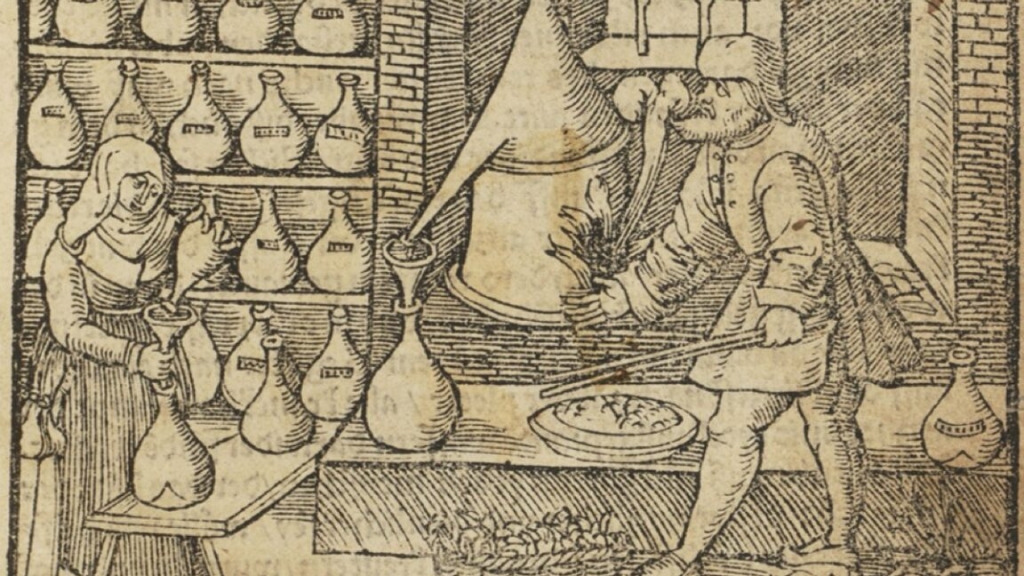
Renaissance Medicine Meets Modern Science: How Proteomics Uncovered the Secrets of 16th-Century Remedies
In a groundbreaking fusion of historical scholarship and cutting-edge biotechnology, researchers have peeled back the layers of time to reveal the actual ingredients used in Renaissance medical recipes—and the results are as fascinating as they are bizarre. A team led by Jean-Luc Hannedouche and his colleagues at the University of Strasbourg has employed advanced proteomics techniques to analyze the residue left on the pages of 16th-century medical manuscripts, uncovering a treasure trove of information about what people actually consumed, applied, and occasionally smeared on their scalps in the name of health and beauty.
The Science Behind the Scrolls
The methodology employed by Hannedouche’s team represents a remarkable leap forward in historical research. By using mass spectrometry and protein analysis on the aged pages of Renaissance medical texts, they were able to identify microscopic traces of ingredients that would otherwise have been lost to history. This approach goes far beyond traditional textual analysis, providing empirical evidence of what was actually used rather than what was merely written about.
“The beauty of proteomics is that it doesn’t lie,” explains Dr. Hannedouche. “While a scribe might have written down a recipe for a hair growth tonic, we can now determine whether the actual ingredients matched the prescription—or whether practical considerations led to substitutions that weren’t recorded.”
Hair Loss Remedies That Will Make You Squirm
Among the most intriguing findings were the hair loss treatments. The proteomic analysis confirmed the presence of beech, watercress, and rosemary—ingredients that align perfectly with the recipes described in the manuscripts. But the researchers also found something decidedly less appealing: traces of human feces.
Yes, you read that correctly. The pages containing hair loss remedies yielded evidence of fecal matter, suggesting that Renaissance physicians and their patients were willing to try almost anything to combat thinning hair. The manuscripts themselves attributed hair loss to an “overheated brain,” a theory that seems quaint by modern medical standards but was taken quite seriously in the 16th century.
“Just how badly do you want to grow back that thinning hair?” one might ask after learning about these remedies. The answer, apparently, was “badly enough to consider human waste as a viable treatment option.”
Blonde Ambitions: The Quest for Golden Locks
The researchers also examined pages containing recipes for blonde hair dyes, and the results were illuminating. The analysis revealed traces of plants with particularly striking yellow flowers, suggesting that Renaissance beauty enthusiasts were using natural sources of yellow pigment to achieve their desired hair color.
“That is a common theme in cosmetic and medical discourse at the time,” Hannedouche noted. “The idea was to look for resemblances between the remedies and what you wish to achieve in terms of the treatment.” This concept, known as the “doctrine of signatures,” held that plants and other natural substances bore visual clues about their medicinal uses—a yellow flower might therefore be useful for creating blonde hair.
Exotic Ingredients from Distant Lands
One of the most remarkable discoveries was the presence of collagen peptides from hippopotamus teeth or bone. This finding points to the global circulation of exotic ingredients in the 16th century, suggesting that Renaissance Europe was already part of a complex international trade network for medicinal substances.
Hippopotamus teeth were believed to cure kidney stones and “take away toothache,” according to contemporary medical texts. They were even used to make dentures, though the effectiveness of such dental prosthetics is questionable at best. The presence of hippo-derived collagen in European medical manuscripts demonstrates the lengths to which physicians would go to obtain rare and expensive ingredients, presumably believing that the more exotic and costly the remedy, the more effective it would be.
The Lizard Connection
Among the more surprising ingredients identified were traces of lizards. While the specific type of lizard wasn’t determined, the presence of reptilian proteins in medical manuscripts isn’t entirely unexpected. Throughout history, various cultures have attributed medicinal properties to lizards, often based on their ability to regenerate lost tails.
The inclusion of lizards in Renaissance remedies reflects a broader pattern of using animal parts in medicine, a practice that continues in various forms to this day. Whether these treatments were effective is another matter entirely, but their presence in the proteomic record provides concrete evidence of what was actually being used rather than what was merely theorized.
The Microbial Defense
Perhaps most intriguingly, several of the proteins identified by the researchers had antimicrobial functions. The analysis revealed traces of dermcidin, a peptide derived from human sweat glands that has the ability to kill E. coli and yeast infections like thrush. This discovery suggests that some Renaissance remedies may have had genuine antimicrobial properties, even if their practitioners didn’t understand the mechanism behind their effectiveness.
The samples also yielded insight into how Renaissance people’s bodies responded to these remedies. Traces of immunoglobulin, lipocalin, and lysozyme were found, all indicators of an active immune response. This finding is particularly fascinating because it provides a window into the physiological effects of these treatments on actual human bodies, not just theoretical discussions in medical texts.
A New Window into Renaissance Health
The implications of this research extend far beyond the specific ingredients identified. By combining proteomics with historical scholarship, Hannedouche and his team have opened up entirely new avenues for understanding how people in the past approached health and medicine.
“The ingredients for success are there,” Hannedouche said. “It’s not only that we found new answers to old questions, but we are now in a position to ask completely new questions.” This interdisciplinary approach represents a paradigm shift in historical research, moving from speculation based on written records to empirical evidence derived from physical traces.
Future Directions
Hannedouche is so pleased with these initial results that he hopes to launch a large-scale project to extend this interdisciplinary approach to other collections of medical manuals. He also hopes to further improve the dating methodology, potentially allowing researchers to track changes in medical practices over time with unprecedented precision.
The success of this pilot study suggests that many other historical mysteries could be solved using similar techniques. Imagine being able to analyze the actual contents of ancient Egyptian medicines, or to determine what herbs were actually used in traditional Chinese remedies rather than relying solely on textual descriptions.
The Global Context
The discovery of hippopotamus collagen is particularly significant because it demonstrates the global nature of Renaissance medicine. Far from being isolated practitioners working with local herbs, European physicians were incorporating ingredients from Africa and other distant regions into their treatments. This finding challenges simplistic narratives about the development of modern medicine and highlights the complex networks of trade and knowledge exchange that existed even in the 16th century.
Beauty Standards Through the Ages
The blonde hair dye recipes offer fascinating insights into Renaissance beauty standards. The desire for lighter hair was apparently strong enough to motivate people to seek out specialized treatments, suggesting that the pressure to conform to certain aesthetic ideals is far from a modern phenomenon. The use of yellow-flowered plants as a source of blonde dye also demonstrates the practical ingenuity of Renaissance beauty practitioners, who worked with natural materials to achieve their desired effects.
The Enduring Appeal of the Exotic
The inclusion of hippopotamus teeth and other exotic ingredients in medical remedies reflects a persistent human tendency to value rarity and exoticism in medicine. This pattern continues today, with people often believing that imported or unusual treatments must be more effective than common local remedies. The proteomic evidence from Renaissance manuscripts suggests that this bias toward the exotic has deep historical roots.
Conclusion: A New Era of Historical Discovery
The work of Hannedouche and his colleagues represents a new frontier in historical research, one that combines the rigor of scientific analysis with the contextual understanding of traditional scholarship. By revealing the actual ingredients used in Renaissance medicine, rather than just what was written about, this research provides a more accurate and nuanced picture of how people in the past approached health and healing.
As proteomics technology continues to advance, we can expect even more revelations about historical medical practices. The pages of ancient manuscripts, long silent witnesses to the hopes and fears of past generations, are finally beginning to speak—and what they’re telling us is both stranger and more fascinating than we ever imagined.
Tags: Renaissance medicine, proteomics, historical research, 16th century remedies, hair loss treatments, exotic ingredients, hippopotamus teeth, blonde hair dye, antimicrobial properties, interdisciplinary science, medical history, ancient beauty standards, global trade networks, historical proteomics, Renaissance health, medical manuscripts, cutting-edge technology, historical discovery, ancient remedies, scientific breakthrough
Viral Sentences:
- Renaissance hair loss remedies included human feces—just how badly do you want to grow back that thinning hair?
- Scientists discover hippopotamus teeth in 16th-century medical manuscripts—global trade was wilder than we thought
- Blonde ambitions revealed: Renaissance beauty enthusiasts used yellow flowers for hair dye
- Lizard proteins found in ancient remedies—regenerative medicine isn’t as modern as you think
- Sweat gland peptides that kill E. coli discovered in Renaissance medical texts
- The doctrine of signatures: looking for resemblances between remedies and desired outcomes
- Collagen from hippo teeth points to 16th-century global circulation of exotic ingredients
- Renaissance medicine meets modern science in groundbreaking proteomic analysis
- Immunoglobulin traces reveal how Renaissance bodies actually responded to ancient remedies
- From feces to hippos: the bizarre ingredients of Renaissance hair growth treatments
- Historical research gets a scientific upgrade with mass spectrometry and protein analysis
- The antimicrobial functions hidden in 16th-century medical manuscripts
- How proteomics is revolutionizing our understanding of historical medical practices
- The global trade network that brought hippopotamus teeth to European apothecaries
- Beauty standards through the ages: the quest for blonde hair in Renaissance Europe
,


Leave a Reply
Want to join the discussion?Feel free to contribute!