
What we’ve been getting wrong about AI’s truth crisis
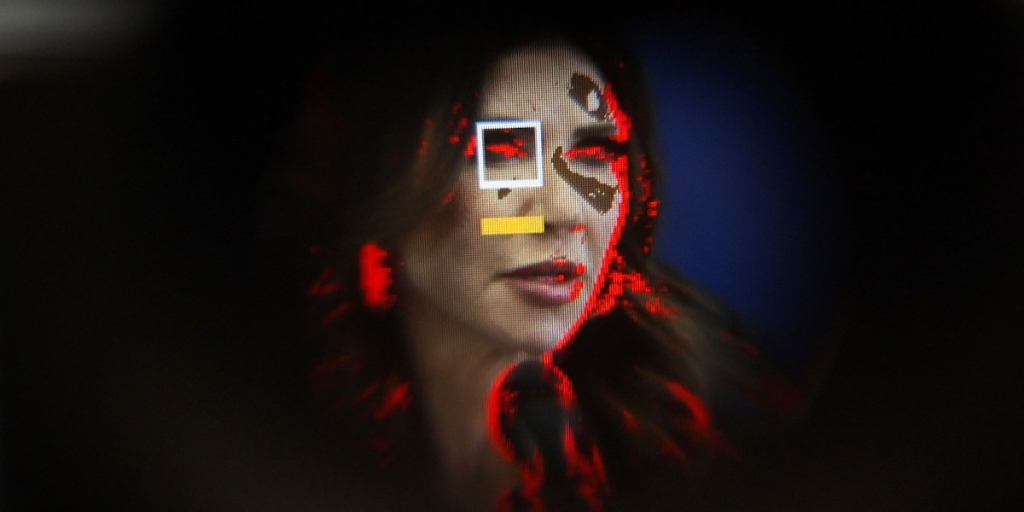
DHS Confirms Use of AI Video Tools as Government Content Manipulation Sparks Debate
In a significant revelation that underscores the growing intersection of artificial intelligence and government communications, the US Department of Homeland Security has confirmed its use of AI-powered video generation tools from tech giants Google and Adobe to create content distributed to the American public.
The confirmation came Thursday following an investigation by Technology Review, which uncovered that immigration agencies under DHS’s purview have been leveraging these advanced AI tools to produce videos supporting various initiatives, including content aligned with President Trump’s mass deportation agenda. The discovery arrives amid a broader pattern of immigration agencies flooding social media platforms with carefully crafted messaging—some of which has already exhibited clear signs of AI manipulation, such as a controversial Christmas-themed video depicting the aftermath of mass deportations.
This development emerges against a backdrop of increasing public skepticism and what many observers are calling an “epistemic crisis”—a fundamental breakdown in society’s ability to collectively determine what constitutes truth. The revelation has sparked intense debate about the role of artificial intelligence in government communications and the broader implications for democratic discourse.
Two Competing Narratives Emerge
The public response to this news has revealed two distinct but equally concerning perspectives that illuminate the current state of media literacy and trust in institutions.
The first reaction came from readers who expressed little surprise at the news, citing a precedent set just days earlier when the White House posted a digitally altered photograph of a woman arrested during an Immigration and Customs Enforcement (ICE) protest. The image, shared on January 22, was manipulated to make the woman appear more distressed, showing her with exaggerated emotional expressions and tears streaming down her face. When questioned about the alterations, Kaelan Dorr, the White House’s deputy communications director, declined to confirm whether the image had been intentionally manipulated but cryptically tweeted, “The memes will continue,” suggesting a deliberate strategy of using manipulated imagery for political messaging.
The second reaction came from readers who questioned the news value of reporting on DHS’s AI usage, arguing that mainstream media outlets engage in similar practices. These readers pointed specifically to a recent incident involving MS Now (formerly MSNBC), which aired an AI-edited image of political commentator Alex Pretti that appeared to enhance his physical appearance. The image went viral across social media platforms, including a widely-shared clip on Joe Rogan’s popular podcast. While a spokesperson for MS Now told Snopes that the network aired the image without knowledge of its AI origins, critics argued this exemplified a double standard in how media manipulation is reported and condemned.
Distinguishing Between Different Forms of Manipulation
Despite superficial similarities, these cases represent fundamentally different approaches to content manipulation with vastly different implications for public trust.
The White House’s handling of the ICE protest photograph represents a deliberate choice to alter reality without transparency. By declining to acknowledge the manipulation while simultaneously suggesting that such practices would continue, the administration has embraced a form of reality distortion that undermines the very foundation of informed democratic discourse. The phrase “the memes will continue” suggests not merely an acceptance of manipulated media but an active embrace of it as a legitimate tool of governance.
In contrast, MS Now’s situation, while problematic, represents a different category of error. The network’s spokesperson acknowledged the mistake and indicated that the image was aired without proper vetting. While this does not excuse the failure to verify content, it demonstrates at least some commitment to accountability and transparency—qualities notably absent from the White House’s response.
This distinction matters enormously. When government institutions deliberately manipulate reality without acknowledgment, they erode the public’s ability to make informed decisions about policy and leadership. When media outlets make mistakes but acknowledge and correct them, they demonstrate the self-correcting mechanisms that are essential to maintaining credibility.
The Failure of Our Preparedness Strategy
The public’s reaction to these developments reveals a critical flaw in how society has been preparing for the AI-driven truth crisis that many experts have long predicted. For years, the dominant narrative around AI-generated misinformation focused on a simple solution: develop better tools for verifying truth.
This approach was based on the assumption that if individuals and organizations had access to sophisticated verification tools—whether technological solutions like deepfake detection algorithms or procedural approaches like rigorous fact-checking protocols—they could effectively combat the spread of manipulated content. The thinking was that by empowering people to independently verify information, we could maintain a shared understanding of reality even in an age of increasingly sophisticated AI manipulation.
However, the current situation demonstrates that this strategy has significant limitations. First, verification tools are demonstrably failing to keep pace with the sophistication of AI manipulation techniques. As AI video and image generation tools become more advanced, detection methods struggle to maintain effectiveness. Moreover, the sheer volume of content being produced and shared makes comprehensive verification practically impossible.
Second, and perhaps more troubling, is the realization that even perfect verification tools cannot, on their own, restore the societal trust that has been eroded. The fact that many readers saw no meaningful difference between government agencies deliberately manipulating content and news organizations making inadvertent errors suggests that the damage to institutional credibility runs deeper than any technological solution can address.
The Broader Implications
The DHS’s confirmation of AI video tool usage, combined with the White House’s embrace of image manipulation, signals a troubling shift in how government institutions approach truth and transparency. Rather than viewing accurate communication as a cornerstone of democratic governance, there appears to be an increasing willingness to treat reality as malleable—something to be shaped and reshaped to serve political objectives.
This approach has several dangerous implications. First, it creates an environment where citizens cannot trust official communications, making it difficult to engage meaningfully with policy debates or hold leaders accountable. If government agencies can manipulate video content without disclosure, how can the public trust any official communications?
Second, it accelerates the fragmentation of shared reality. When different institutions present conflicting versions of events—some deliberately manipulated, others inadvertently inaccurate—citizens are left to choose which version to believe based not on evidence but on pre-existing political affiliations or media preferences. This dynamic reinforces polarization and makes constructive dialogue increasingly difficult.
Third, it normalizes deception as a legitimate political tool. The White House’s casual attitude toward image manipulation, encapsulated in the “memes will continue” statement, suggests a belief that the ends justify the means—that achieving political objectives is more important than maintaining honesty in public communications.
Looking Forward
As artificial intelligence continues to advance, the challenges of maintaining truth and trust in public discourse will only intensify. The current situation demands a multi-faceted response that goes beyond simply developing better verification tools.
Media literacy education must evolve to help citizens understand not just how to spot manipulated content, but also how to evaluate the credibility of sources and recognize the difference between deliberate deception and inadvertent error. Institutions must recommit to transparency and accountability, recognizing that public trust is their most valuable asset. And perhaps most importantly, society must engage in a serious conversation about the role of truth in democratic governance—whether it is merely a tool to be used when convenient or an inviolable principle that must be defended even when doing so is politically costly.
The confirmation of DHS’s AI video tool usage is not merely a technological story; it is a symptom of a deeper crisis in how we collectively understand and value truth. How we respond to this crisis will determine not just the future of government communications, but the very nature of democratic discourse in the age of artificial intelligence.
Tags
AI video generation, DHS, government manipulation, deepfakes, epistemic crisis, media trust, immigration policy, Trump administration, digital manipulation, truth in media, institutional credibility, artificial intelligence ethics, public communication, social media misinformation, democratic discourse, verification tools, media literacy, political propaganda, reality distortion, institutional accountability
Viral Phrases
“The memes will continue”
“Truth no longer matters”
“Fight fire with fire”
“Epistemic crisis”
“Shared reality”
“Reality as malleable”
“Truth as a political tool”
“Verification tools are failing”
“Societal trust”
“Democratic discourse in the age of AI”
“Government agencies deliberately manipulating content”
“Institutional credibility crisis”
“AI-driven truth crisis”
“Fragmentation of shared reality”
“Normalization of deception”
“Transparency and accountability”
“Media literacy evolution”
“Democratic governance principles”
“Artificial intelligence ethics”
“Public trust as most valuable asset”
,


Leave a Reply
Want to join the discussion?Feel free to contribute!