
What Will ‘The Scream’ Look Like in 300 Years? This Tool Simulates Its Future
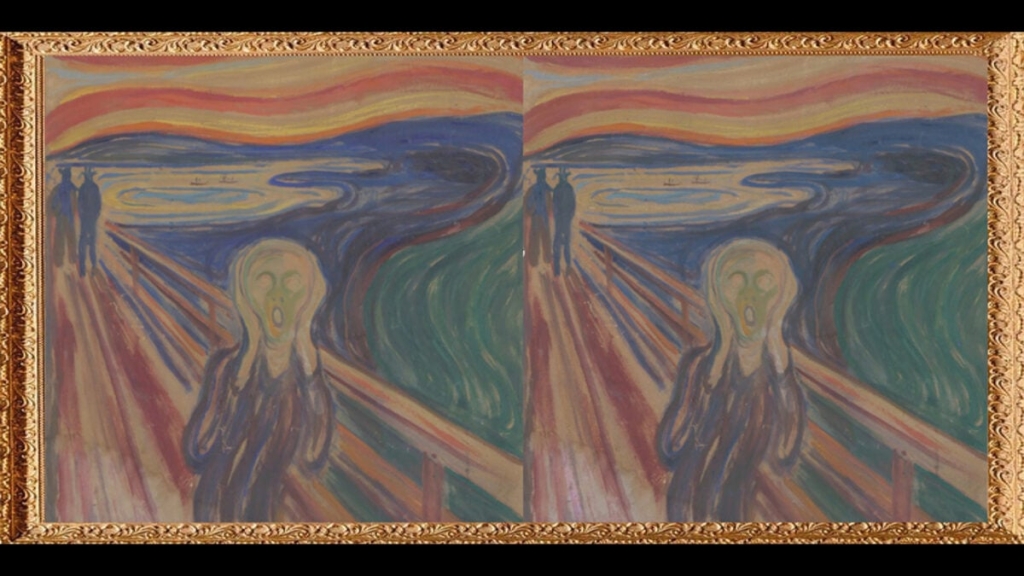
A Revolutionary Tool Predicts How Art Fades Over Centuries
In a fascinating development that merges art conservation with cutting-edge technology, researchers at the Norwegian University of Science and Technology (NTNU) have unveiled the Light Damage Estimator—a groundbreaking digital tool that reveals how masterpieces like Edvard Munch’s iconic “The Scream” might appear centuries from now.
The concept might seem simple at first glance: what if we could see into the future and witness how time transforms our most treasured artworks? Yet this tool represents years of meticulous research, combining chemistry, physics, and digital modeling to create something truly unprecedented in the art world.
The Science Behind Fading Beauty
Not all colors are created equal when it comes to longevity. Every artificial pigment used in paintings consists of chemical compounds designed to reflect specific wavelengths of light. These molecular structures, however, are inherently unstable over time. As chemical bonds break down through exposure to light, humidity, and other environmental factors, colors gradually fade and shift.
Irina-Mihaela Ciortan, the postdoctoral researcher who spearheaded this project, recognized that even with modern conservation techniques, the molecular deterioration of pigments remains inevitable. Colors like cadmium yellow and cinnabar red are particularly vulnerable, slowly transforming under light exposure in ways that even the most advanced preservation methods cannot completely prevent.
From Theory to Reality: Testing the Colors of Time
The research team began by using X-ray fluorescence analysis to identify the exact chemical composition of pigments in “The Scream.” They discovered a fascinating array of compounds: mercury in cinnabar creating vivid reds, cadmium producing brilliant yellows, and cobalt contributing to deep blues and ultramarines.
Armed with this chemical blueprint, the team created precise replicas of the painting and subjected them to accelerated aging in specialized climate chambers. These artificial paintings endured conditions mimicking centuries of exposure—intense light, varying humidity levels, and temperature fluctuations—all while researchers monitored the molecular changes occurring within the pigments.
“The idea is that since the samples have the same properties as the original painting, changes in them can reflect both historical and future changes in ‘The Scream,'” the researchers explained. This data became the foundation for their predictive model.
A Glimpse 300 Years Into the Future
The results are both scientifically illuminating and emotionally stirring. The tool’s simulation of “The Scream” in the year 2326 reveals a painting transformed by time’s passage—colors muted, contrasts softened, the once-vivid composition taking on a ghostly, ethereal quality that speaks to the impermanence of even our most enduring cultural artifacts.
This isn’t merely academic curiosity. The visualization serves as a powerful reminder that the art we cherish today exists in a constant state of flux, vulnerable to the same forces of entropy that affect everything in our physical world.
Beyond a Single Masterpiece
Currently, the Light Damage Estimator works best with “The Scream” and a limited selection of other paintings, focusing primarily on cadmium yellow and cinnabar red pigments. However, the research team has ambitious plans to expand the tool’s capabilities significantly.
Future developments include partnerships with museums worldwide to gather more comprehensive data, incorporating additional environmental factors such as pollution levels, atmospheric composition changes, and even the effects of climate change on art preservation. The team is also exploring artificial intelligence integration to automate and enhance the predictive modeling process.
Practical Applications and Philosophical Implications
While the tool isn’t yet ready for widespread use in conservation efforts, its potential applications are vast. Museums could use it to prioritize conservation efforts, art historians might gain new insights into how artistic styles and techniques evolve over centuries, and the general public could develop a deeper appreciation for the temporal nature of artistic creation.
Perhaps most intriguingly, the Light Damage Estimator invites us to contemplate our relationship with art and time. It transforms static masterpieces into dynamic entities, constantly evolving and reminding us that beauty itself is not eternal but rather a fleeting phenomenon we must cherish in the present moment.
The project also highlights an unexpected connection between art and science, demonstrating how technological innovation can deepen our understanding and appreciation of cultural heritage. It’s a perfect example of how interdisciplinary collaboration can yield insights that neither field could achieve alone.
As the tool continues to evolve and improve, it promises to revolutionize how we think about art preservation, offering a window into a future where today’s vibrant masterpieces exist as faded echoes of their former glory—beautiful in their own right, but forever changed by the relentless passage of time.
Tags: #ArtConservation #DigitalArt #FutureTech #ArtHistory #NorwegianInnovation #EdvardMunch #LightDamageEstimator #ArtPreservation #TechMeetsArt #FutureOfArt
Viral Phrases:
– “See your favorite paintings age before your eyes”
– “The future of art is fading”
– “300 years in seconds”
– “Time’s effect on masterpieces revealed”
– “Art that ages before your eyes”
– “The colors of tomorrow, today”
– “Digital time machine for art lovers”
– “How will your favorite painting look in 2326?”
– “The science of fading beauty”
– “Art meets artificial intelligence”,


Leave a Reply
Want to join the discussion?Feel free to contribute!