
What’s the Right Thermostat Temperature for Winter? Find Yours and Cut Your Heating Bills
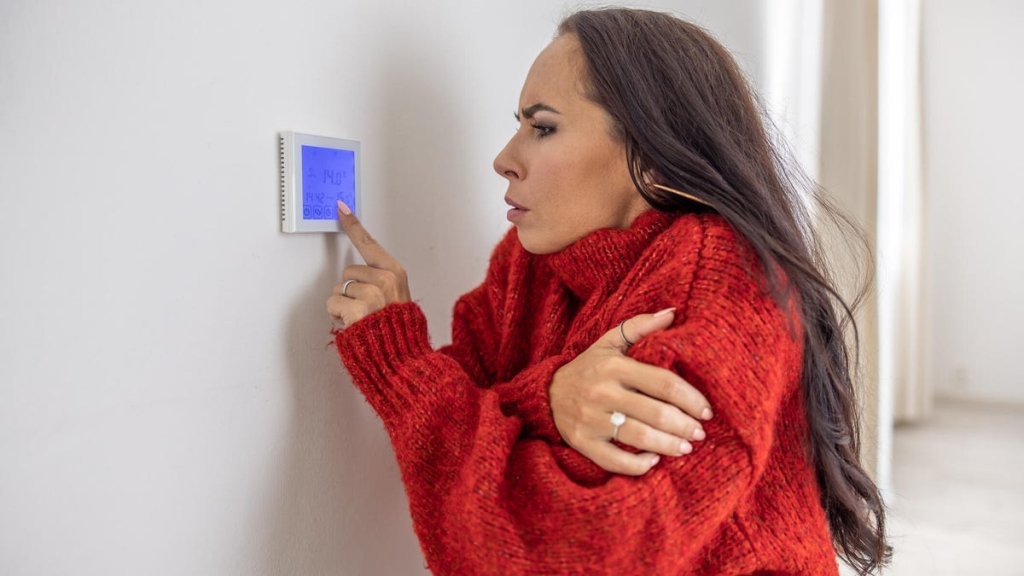
Beat the Chill Without Breaking the Bank: Your Ultimate Winter Thermostat Guide
Waking up to an icebox of a home is nobody’s idea of a good morning. Yet cranking the heat to tropical levels isn’t exactly sustainable for your wallet—especially with utility rates climbing faster than a squirrel on espresso. The real game-changer isn’t just turning down the dial; it’s mastering how your home holds onto heat.
Here’s the dirty little secret most homeowners miss: maintaining the same temperature 24/7 is energy suicide. Your heating system doesn’t need to work overtime when you’re bundled under blankets or out conquering the world. By strategically adjusting temperatures and leveraging smart scheduling, you can slash energy consumption without turning your living room into an igloo.
But here’s where it gets interesting—improving your home’s thermal efficiency goes way beyond basic tweaks. We’re talking about understanding your HVAC system’s mechanics, making strategic temperature shifts, and using smart technology that works with your system, not against it. These aren’t just tips; they’re your winter survival kit for staying cozy while keeping those energy bills from giving you heart palpitations.
The Sweet Spot: Winter Thermostat Settings That Actually Work
When Jack Frost comes nipping, most experts agree on this golden rule: set your thermostat to 68°F when you’re home, and drop it to 60-65°F when you’re asleep or away. Simple, right? Well, not so fast.
Julian Picard, owner of Centerline Mechanical, drops some real talk: if it’s 20°F outside, don’t even think about setting your thermostat to 80°F. Your system will laugh in your face, work itself into an early grave, and your energy bill will look like a phone number.
The Department of Energy suggests turning your thermostat back 7-10 degrees for 8 hours daily, claiming this can save you up to 10% annually on heating and cooling. But Picard recommends a more conservative approach—just four degrees when you’re away or sleeping. Why? Because your system won’t have to work as hard to recover, and you won’t notice the difference in comfort.
Mahlie Dukes, franchise owner of WIN Home Inspection in Indiana, puts it bluntly: “You don’t want to have drastic changes in temperature.” Your HVAC system isn’t a drag racer—it’s more like a marathon runner that performs best with steady pacing.
Here’s a pro tip that’ll save you serious cash: get intimately familiar with your specific heating system. If your home never reaches the temperature you set, that’s your system screaming for help. It could be improperly sized for your home, forcing it to run constantly on overdrive. Time to call in the pros or, at minimum, lower your thermostat setting so your HVAC can actually take a breather.
Summer Settings: Keeping Cool Without Going Broke
When summer hits and you’re sweating bullets, the magic numbers are 75-78°F when you’re home, and 80°F when you’re away or asleep, according to Dukes. The Department of Energy is even more specific: 78°F during the day, 82°F when sleeping, and 85°F when you’re out.
But here’s the kicker—your system needs to be able to handle these settings. If your house never gets as cool as your thermostat setting, you’ve got a sizing problem. Time to check your door and window seals and insulation quality.
Air conditioners have limits—they can only cool your home about 15-20 degrees below outdoor temperature. Set it too low, and you’re basically running a very expensive fan that accomplishes nothing.
Does Your HVAC Type Even Matter?
Yes and no. The general temperature recommendations apply regardless of whether you’re rocking a furnace, heat pump, or geothermal system. But—and this is a big but—your results will vary based on your system’s type and size.
Systems that are over- or undersized for your home will run inefficiently, bleeding money faster than a slashed tire. This is why annual HVAC inspections aren’t optional—they’re mandatory if you value your bank account. A professional can tell you exactly how to optimize your specific system for maximum comfort and efficiency.
Heat pump owners, listen up: your systems are already super efficient, so don’t expect the same dramatic savings as furnace users. But don’t despair—you’ll still see savings through smart thermostat learning and by cutting down on gas fireplace use (yes, that counts too).
The Cardinal Sin of Thermostat Use
Picture this: your home is a chilly 65°F, and you want it to be a toasty 70°F right now. Your finger hovers over the thermostat, tempted to crank it to 75°F, thinking you’ll warm up faster. Stop right there.
Most HVAC units have exactly two settings: on or off. There’s no “turbo boost” mode that’ll get you to your desired temperature any faster. Setting it higher than you actually want just results in overheating, overcooling, and overspending.
Set your thermostat to the exact temperature you want. Anything else is just burning money for the illusion of speed.
Thermostat Placement: Location, Location, Location
Your thermostat thinks it’s the temperature boss because it has a thermometer inside it. But if it’s in the wrong spot, it’s making decisions based on bad intel.
Avoid placing your thermostat in areas with frequent temperature or humidity changes—kitchens, bathrooms, near windows, or exterior walls are all terrible choices. Instead, mount it on an interior wall in a central location like your living room.
If your thermostat supports external room sensors, use them. Brands like Ecobee and Nest offer satellite sensors that let you monitor temperatures in different rooms. But be warned: put a sensor in a spot that’s too cold or hot, and you might send your thermostat into overdrive, wasting energy and money.
The Real Money-Saving Moves
Reducing your energy bills doesn’t require becoming a HVAC expert or living in a sleeping bag indoors. As Picard puts it, “There’s a huge misconception that in order to be energy efficient, you must be uncomfortable.”
Look beyond your thermostat. Investing in good insulation can dramatically reduce the strain on your HVAC system. “You’d be surprised how much energy we blow right through our attics,” Picard notes.
That annual inspection isn’t just busy work—it’s essential. Buildup within your HVAC system can lead to efficiency losses of up to 10% annually, which shows up directly on your energy bill. Cleaning it yearly is one of the highest-ROI home maintenance tasks you can perform.
Shopping for a new HVAC system? This is your chance to get it right. Make sure what you install fits your specific home’s needs—not too big, not too small, but just right.
Tags & Viral Phrases: winter heating tips, save money on energy bills, thermostat settings, HVAC efficiency, smart home heating, energy saving hacks, winter home maintenance, reduce heating costs, thermostat mistakes, home insulation tips, Department of Energy recommendations, heat pump efficiency, HVAC sizing, satellite thermostat sensors, energy bill savings, winter comfort, smart thermostat benefits, home energy audit, heating system maintenance, thermal efficiency, programmable thermostat, winter energy saving, HVAC professional advice, home heating optimization, energy consumption reduction
,


Leave a Reply
Want to join the discussion?Feel free to contribute!