
WhatsApp notifies 200 users who installed fake app built by Italian spyware maker SIO
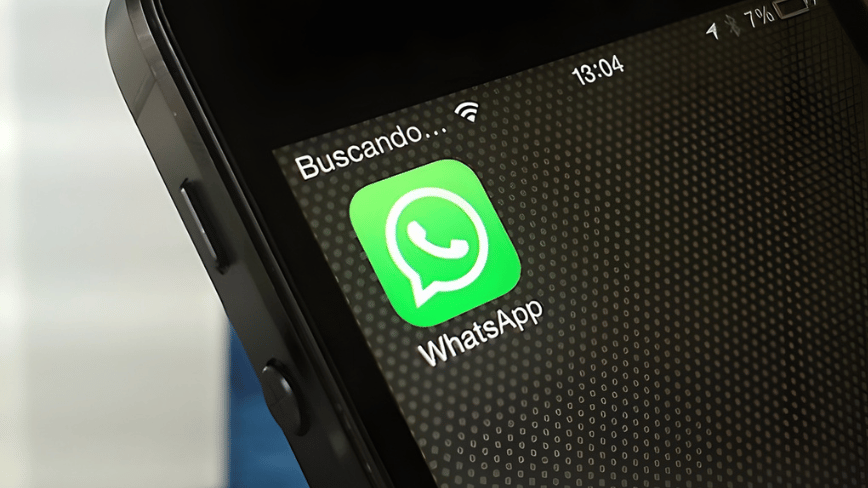
WhatsApp Exposes Italian Spyware Operation: 200 Users Tricked Into Installing Government Malware
In a startling revelation that underscores the growing threat of government-sponsored surveillance, WhatsApp has disclosed that approximately 200 users, primarily in Italy, were deceived into installing a counterfeit version of the messaging app that secretly harbored government spyware. The malicious software, developed by SIO, an Italian surveillance technology firm, was distributed through fake applications designed to mimic legitimate software updates.
The spyware, known internally as Spyrtacus, represents a sophisticated evolution in state surveillance tactics. Unlike previous operations that relied on zero-click exploits requiring no user interaction, this campaign employed a more insidious approach: social engineering through trusted mobile carriers. Italian authorities routinely obtain cooperation from telecom companies, who send phishing links to their own customers on behalf of law enforcement. Targets receive what appears to be a routine update notification from their provider, directing them to install what looks like a standard WhatsApp update.
Once installed, Spyrtacus gains extensive access to the victim’s device. The malware can steal text messages, chat histories, and call logs, while also recording audio and video directly from the device’s microphone and camera. This comprehensive surveillance capability transforms a personal communication device into a constant monitoring tool, capturing not just digital communications but also the physical environment surrounding the target.
The operation’s scope is particularly concerning given Italy’s unique position in the global surveillance ecosystem. The country has become a hub for surveillance technology companies, with firms like Hacking Team, Cy4Gate, RCS Lab, and Raxir all operating from Italian soil. This concentration is driven by a legal framework that provides a formal statutory basis for “captatore informatico” (computer interceptor), effectively state-sanctioned trojan software. Fabio Pietrosanti, president of the Hermes Center for Transparency and Digital Human Rights, has noted that spyware is deployed more frequently in Italy than anywhere else in Europe because the low cost and permissive regulation make it accessible to a far wider range of law enforcement agencies than in neighboring countries.
The economics of Italian surveillance are particularly revealing. As of late 2022, law enforcement could access these tools for as little as €150 per day, without the large upfront acquisition costs that typically limit deployment in other countries. This affordability means that municipal police forces, not just national intelligence agencies, can commission surveillance operations against individuals. The result is an ecosystem where surveillance capabilities that were once the exclusive domain of national security agencies are now available to local law enforcement with minimal financial barriers.
WhatsApp’s response to this threat demonstrates a significant shift in how technology platforms are addressing government surveillance. The company has proactively identified affected users, logged them out of their accounts, warned them about privacy risks, and urged them to delete the fake client and install the official app from trusted sources. WhatsApp spokesperson Margarita Franklin emphasized that protecting users who may have been tricked into downloading this fake iOS app remains their priority.
The company’s approach goes beyond simple notification. WhatsApp plans to send a formal legal demand to SIO to halt any malicious activity linked to the campaign. This strategy follows the pattern established in previous cases, using litigation and public disclosure as deterrents against companies that profit from compromising encrypted messaging platforms. The legal landscape around commercial spyware has shifted substantially in recent years, with significant court victories against major players in the surveillance industry.
This incident is not isolated. In early 2025, WhatsApp alerted around 90 users, including journalists and pro-immigration activists, that they had been targeted by Paragon Solutions, a U.S.-Israeli surveillance firm. That revelation triggered a political crisis in Rome, with Italy’s parliamentary intelligence oversight committee confirming the use of Paragon’s Graphite spyware and finding that seven Italians had been targeted. Paragon subsequently cut ties with Italy’s spy agencies after the government declined to verify whether the spyware had been used against a specific journalist.
The SIO operation differs from the Paragon case in its delivery mechanism and target selection. While Paragon’s Graphite used sophisticated zero-click exploits, SIO’s Spyrtacus requires the target to install a fake application. Previous versions of Spyrtacus impersonated Android apps from Italian mobile providers TIM, Vodafone, and WINDTRE, as well as earlier fake versions of WhatsApp itself. The latest operation targeting iPhones represents an expansion of the tactic to Apple’s ecosystem, demonstrating the vendor’s ability to adapt to different platforms and security measures.
The involvement of mobile carriers in the distribution chain raises profound questions about the role of telecommunications infrastructure in state surveillance. When phone companies participate in sending phishing messages to their own subscribers at the state’s request, the mobile network itself becomes an instrument of surveillance. This arrangement effectively turns a service that citizens trust for communication into a tool for monitoring those same citizens.
The global lawful-interception market, valued at $4 billion in 2023 and projected to reach $15 billion by 2032, continues to grow at roughly 16 percent annually. This growth is being driven not by the sophisticated zero-click exploits that attract headlines, but by the kind of low-cost, phishing-based tools that SIO sells. The barrier to entry for government surveillance has dropped to the point where a local police department in a midsize Italian city can commission the same class of spyware deployment that was once the preserve of national intelligence agencies.
WhatsApp’s decision to publicly name SIO and notify affected users represents a broader pattern of tech platforms asserting themselves as counterweights to state surveillance. The company is not merely patching a vulnerability; it is identifying the vendor, alerting the victims, and threatening legal action. This posture positions a messaging app owned by Meta as a more effective check on government spyware abuse than any European regulatory body has managed to date.
For the 200 users in Italy who received WhatsApp’s notification, the immediate questions are practical and urgent: who authorized the surveillance, and on what legal basis? The answers may never become public. Italy’s lawful-intercept framework permits the use of these tools under judicial oversight, but the oversight mechanisms have repeatedly proven inadequate to prevent abuse. The Paragon scandal demonstrated that intelligence agencies could target journalists and activists under the cover of lawful authority. The SIO case suggests the problem runs deeper, extending to less prominent vendors, cheaper tools, and a distribution model that exploits the trust citizens place in their mobile carriers.
The spyware industry does not need zero-click exploits to be dangerous. It just needs a convincing notification from your phone company.
WhatsApp #Spyware #GovernmentSurveillance #Italy #SIO #Spyrtacus #DigitalPrivacy #CyberSecurity #TechNews #MobileSecurity #EncryptedMessaging #StateSurveillance #DigitalRights #PrivacyConcerns #TechPlatforms #GovernmentSpying #MobileCarriers #PhishingAttacks #SurveillanceTechnology #DigitalFreedom
The spyware industry does not need zero-click exploits to be dangerous. It just needs a convincing notification from your phone company.
WhatsApp’s decision to publicly name SIO and notify affected users represents a broader pattern of tech platforms asserting themselves as counterweights to state surveillance.
When phone companies participate in sending phishing messages to their own subscribers at the state’s request, the mobile network itself becomes an instrument of surveillance.
The barrier to entry for government surveillance has dropped to the point where a local police department in a midsize Italian city can commission the same class of spyware deployment that was once the preserve of national intelligence agencies.
Italy has become a hub for surveillance technology companies, with firms like Hacking Team, Cy4Gate, RCS Lab, and Raxir all operating from Italian soil.
WhatsApp has disclosed that approximately 200 users, primarily in Italy, were deceived into installing a counterfeit version of the messaging app that secretly harbored government spyware.
The economics of Italian surveillance are particularly revealing, with tools available for as little as €150 per day.
Spyware is deployed more frequently in Italy than anywhere else in Europe because the low cost and permissive regulation make it accessible to a far wider range of law enforcement agencies.
The malware can steal text messages, chat histories, and call logs, while also recording audio and video directly from the device’s microphone and camera.
This comprehensive surveillance capability transforms a personal communication device into a constant monitoring tool.
The global lawful-interception market, valued at $4 billion in 2023 and projected to reach $15 billion by 2032, continues to grow at roughly 16 percent annually.
WhatsApp’s response to this threat demonstrates a significant shift in how technology platforms are addressing government surveillance.
The company has proactively identified affected users, logged them out of their accounts, warned them about privacy risks, and urged them to delete the fake client.
WhatsApp plans to send a formal legal demand to SIO to halt any malicious activity linked to the campaign.
This strategy follows the pattern established in previous cases, using litigation and public disclosure as deterrents against companies that profit from compromising encrypted messaging platforms.
The SIO operation differs from the Paragon case in its delivery mechanism and target selection.
Previous versions of Spyrtacus impersonated Android apps from Italian mobile providers TIM, Vodafone, and WINDTRE.
The latest operation targeting iPhones represents an expansion of the tactic to Apple’s ecosystem.
The involvement of mobile carriers in the distribution chain raises profound questions about the role of telecommunications infrastructure in state surveillance.
WhatsApp’s decision to publicly name SIO and notify affected users represents a broader pattern of tech platforms asserting themselves as counterweights to state surveillance.
The company is not merely patching a vulnerability; it is identifying the vendor, alerting the victims, and threatening legal action.
This posture positions a messaging app owned by Meta as a more effective check on government spyware abuse than any European regulatory body has managed to date.
For the 200 users in Italy who received WhatsApp’s notification, the immediate questions are practical and urgent: who authorized the surveillance, and on what legal basis?
The answers may never become public.
Italy’s lawful-intercept framework permits the use of these tools under judicial oversight, but the oversight mechanisms have repeatedly proven inadequate to prevent abuse.
The Paragon scandal demonstrated that intelligence agencies could target journalists and activists under the cover of lawful authority.
The SIO case suggests the problem runs deeper, extending to less prominent vendors, cheaper tools, and a distribution model that exploits the trust citizens place in their mobile carriers.
,

Leave a Reply
Want to join the discussion?Feel free to contribute!