
When the Internet Goes Dark, the Truth Goes With It
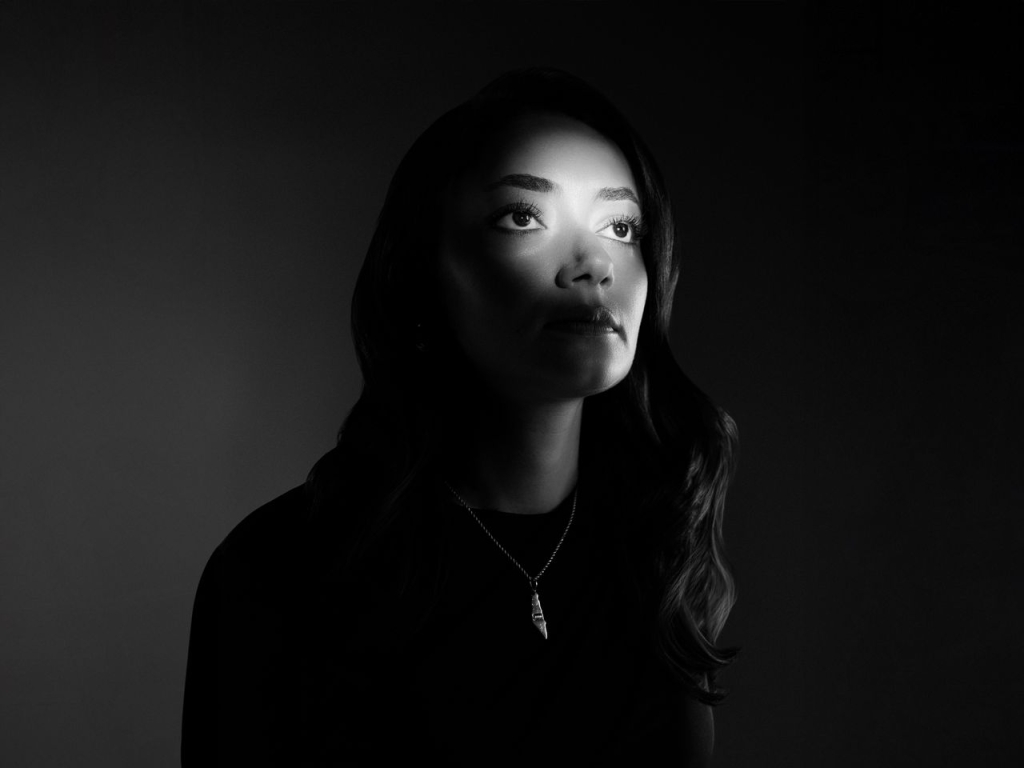
In an age where information is currency and truth is often the first casualty of conflict, the role of on-the-ground journalists has never been more critical—or more perilous. Bisan Alaqad, a journalist who has witnessed the devastating realities of war firsthand, offers a sobering perspective on the consequences of silencing those who bear witness to history.
Alaqad argues that traditional media outlets, by curating and filtering the narratives they present, inherently limit the scope of truth that reaches the public. “When the people are being silenced and censored, and they don’t have a space for them to talk or a platform to express what’s happening, and for us to see what’s happening through their eyes, there will always be limitations [on] how much we know,” she explains. This selective storytelling creates a fragmented understanding of events, leaving audiences with an incomplete picture of the world.
In every crisis, when communication breaks down, accountability is lost, and injustice becomes easier to ignore. “Injustice is super loud,” Alaqad says. “Justice needs to be louder.” Her words underscore the vital role journalists play in amplifying the voices of the marginalized and holding power to account.
The stakes for journalists in conflict zones are nothing short of existential. Reporters Without Borders (RSF) reported in December 2025 that 67 media professionals were killed that year, with 43 percent of them killed in Gaza by Israeli armed forces. The total number of journalists killed in Gaza since October 7, 2023, has risen to over 220, according to RSF, with the UN estimating the number to be more than 260. These figures represent not just a loss of life but a deliberate attempt to silence the truth.
Dagher, another voice in the conversation, frames the targeting of journalists as part of a broader strategy to impose a media blackout. “When we look at it within the framework of imposing a ban on the foreign press entering Gaza now, more than two years into that war, when they are restricting the free movement of journalists within Gaza and into Gaza, when we are talking about an unprecedented massacre of journalists, the targeting of media offices and the targeting of communication infrastructure just becomes another piece of that puzzle, which aims at imposing a media blackout,” he says. Israel has repeatedly denied claims that it targets journalists or media infrastructure, but the evidence on the ground tells a different story.
“Killing journalists means killing and silencing the truth,” Alaqad asserts. This strategy operates on multiple levels: it reduces the number of people reporting from the ground, but it also instills fear in the local population. “This is also sending a message to the people that all journalists are a threat, don’t talk to journalists, stay away from journalists,” she explains. The chilling effect of such tactics extends far beyond the immediate loss of life, eroding the very fabric of free expression and accountability.
Alaqad recalls her mother begging her not to wear her press vest and helmet, symbols meant to signify neutrality and protect journalists in the field. Instead, they made her feel like a target. “It’s supposed to protect, but on the contrary, it actually puts risk on your life and even on your beloved ones and the ones around you,” she explains. This paradox highlights the dangerous reality faced by journalists in conflict zones, where even the tools meant to safeguard them can become liabilities.
The transformation in how journalists are perceived by the local population is equally telling. Alaqad notes that early in her work, people would greet journalists, offer them food, and thank them for their efforts. “After a couple of months, when they’d seen journalists getting targeted, Palestinians started treating journalists differently,” she says. This shift underscores the profound impact of violence on the relationship between journalists and the communities they serve.
Reporting in Gaza is an exercise in navigating a landscape where time itself is unstable and not guaranteed. Plans rarely extend beyond daylight, conversations end abruptly, and addresses become memorials overnight. “The only certainty in Gaza is uncertainty,” Alaqad says. She recalls interviewing families and planning to return the next day, only to find that the people she spoke with had been killed in airstrikes. This constant state of flux makes the work of journalists not just dangerous but emotionally and psychologically taxing.
Alaqad has since left Gaza and is pursuing a master’s degree in media studies at the American University of Beirut. She received the Shireen Abu Akleh Memorial Endowed Scholarship, named for the Palestinian journalist killed by Israeli forces in May 2022. Her journey from the front lines to academia reflects both the personal toll of her work and her commitment to continuing the fight for truth and justice through education and advocacy.
The rise of digital reporting has provided new avenues for journalists to reach global audiences, but it has also introduced new vulnerabilities. Alaqad’s experience of going viral on social media helped her reach millions, but it also put her at risk. “It showed millions of people around the world what’s happening in Gaza, but at what cost? Being in Gaza could cost you your life, especially as a journalist,” she says. The digital age has amplified the reach of journalism but has not diminished the dangers faced by those who practice it.
Despite the reach of digital reporting, Alaqad does not trust its permanence. Accounts disappear, posts are removed, and videos are lost. What is available today may be gone tomorrow. This fragility of digital records underscores the importance of preserving and protecting the work of journalists, both in physical and digital spaces.
The silencing of journalists is not just a loss for the profession but a loss for humanity. It deprives the world of the stories that need to be told, the truths that need to be heard, and the accountability that needs to be enforced. As Alaqad’s experiences demonstrate, the fight for truth in conflict zones is a fight for justice, and it is a fight that demands our attention, our support, and our unwavering commitment to the principles of free expression and human rights.
Tags: Gaza, journalists, conflict, truth, accountability, media blackout, digital reporting, social media, war, justice, silencing, press freedom, Shireen Abu Akleh, Reporters Without Borders, Israeli-Palestinian conflict, journalism, truth-telling, digital age, permanence, fragility, free expression, human rights, advocacy, education, academia, Beirut, uncertainty, instability, targeting, violence, fear, community, relationships, emotional toll, psychological impact, global audience, viral, reach, risk, cost, life, danger, liability, symbols, protection, neutrality, memorials, airstrikes, front lines, commitment, principles, fight, justice, humanity, stories, truths, accountability, attention, support, unwavering, commitment, free expression, human rights.
Viral Sentences:
– “Injustice is super loud. Justice needs to be louder.”
– “Killing journalists means killing and silencing the truth.”
– “The only certainty in Gaza is uncertainty.”
– “It’s supposed to protect, but on the contrary, it actually puts risk on your life.”
– “What is available today may be gone tomorrow.”,
Leave a Reply
Want to join the discussion?Feel free to contribute!