
Who needs data centers in space when they can float offshore?
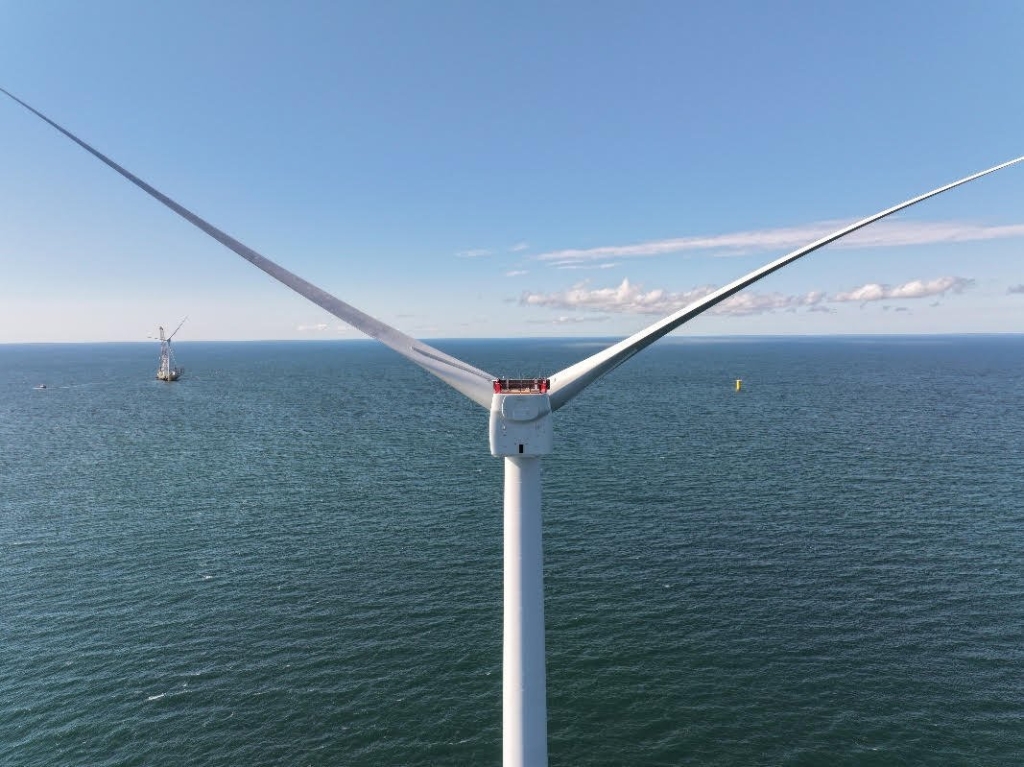
The AI power crunch has reached a boiling point — and now, tech innovators are diving into uncharted waters to keep the data centers running. While some are dreaming of launching servers into orbit to soak up 24/7 solar energy, one bold startup is betting the ocean is the ultimate frontier for the next generation of AI infrastructure.
Meet Aikido Technologies, a forward-thinking offshore wind developer with a radical plan: submerge AI data centers beneath the waves, right next to floating wind turbines. This year, the company will deploy a 100-kilowatt demonstration unit off the coast of Norway, tucked inside the submerged pods of a floating offshore wind turbine. If the pilot proves successful, Aikido envisions a much larger rollout — a 15 to 18 megawatt turbine feeding a 10 to 12 megawatt data center off the U.K. coast by 2028.
This isn’t just a wild idea — it’s a strategic response to the explosive energy demands of AI. Data centers are guzzling electricity at unprecedented rates, and the grid is struggling to keep up. By co-locating data centers directly with offshore wind turbines, Aikido is cutting out the middleman. No more long-distance transmission lines, no more waiting for grid upgrades — just clean, consistent wind power harvested right where it’s needed.
Offshore winds are famously more stable than their onshore counterparts, and a modest battery system could smooth out any lulls in production. This proximity to power also sidesteps a major bottleneck that’s throttling AI growth on land: the time and cost it takes to bring new power online.
But the benefits go beyond energy. NIMBY (Not In My Backyard) opposition has become a significant hurdle for data center developers, with communities pushing back against noise, heat, and pollution concerns. By moving offshore, these submerged facilities could operate in relative peace, out of sight and out of mind for most coastal residents.
Then there’s the cooling problem — a notorious pain point for data centers. Traditional facilities spend enormous amounts of energy (and money) keeping servers from overheating. Aikido’s underwater approach takes advantage of the ocean’s natural cooling properties. Cold seawater could provide free, efficient cooling, slashing operational costs and environmental impact. It’s a stark contrast to the challenges of orbital data centers, where the vacuum of space makes heat dissipation a far more complex engineering puzzle.
Of course, submerging high-tech infrastructure in the ocean isn’t without its own set of headaches. The marine environment is unforgiving: constant motion from waves and currents means servers and equipment must be rock-solid secure. Seawater is highly corrosive, so every component — from the server racks to the power and data cables — will need to be specially hardened. Maintenance and repairs could also be trickier when your data center is 50 meters below the surface.
Aikido isn’t the first to flirt with the idea of underwater data centers. Over a decade ago, Microsoft began exploring the concept, culminating in Project Natick — a 2018 experiment off Scotland’s Orkney Islands. The trial, which lasted 25 months, was surprisingly successful: only six of 864 servers failed, thanks in part to the nitrogen-filled, oxygen-free environment that reduced corrosion and humidity. Microsoft even amassed a portfolio of related patents, which it open-sourced in 2021. However, by 2024, the tech giant had quietly shelved the project, citing a mix of technical and economic challenges.
So why is Aikido pressing ahead where Microsoft pulled back? Part of the answer lies in the urgency of today’s AI energy crisis. The appetite for compute power is growing faster than ever, and solutions that once seemed too risky or expensive are now being reconsidered in the face of necessity. Aikido’s integration with offshore wind turbines also offers a unique synergy: the data center becomes a reliable, local consumer for renewable energy, potentially smoothing out the intermittency issues that plague wind power.
The Norwegian pilot will be a crucial test. If the submerged data center can withstand the marine environment, maintain high uptime, and prove cost-effective, it could pave the way for a wave of ocean-based AI infrastructure. And with global data center demand projected to keep climbing — driven by AI, cloud computing, and the Internet of Things — the ocean might just become the next frontier for tech’s most power-hungry operations.
The race to power the AI revolution is pushing innovation to its limits. Whether it’s launching data centers into orbit or sinking them beneath the waves, the message is clear: the old ways of doing things aren’t enough anymore. As Aikido prepares to make a splash off Norway’s coast, the tech world will be watching closely — because the future of AI might just lie under the sea.
Tags: AI data centers, offshore wind, submerged data centers, renewable energy, cooling solutions, marine technology, Aikido Technologies, Norway, U.K., energy crisis, innovation, sustainability
Viral Phrases: AI power crunch, underwater data centers, ocean frontier, clean energy revolution, next-gen infrastructure, submerged servers, floating wind turbines, cooling breakthrough, marine tech, energy innovation, orbital vs. ocean, tech’s new frontier, undersea AI, renewable revolution, data center evolution
,


Leave a Reply
Want to join the discussion?Feel free to contribute!