
Whoop wins a key US court ruling against copycat wearables
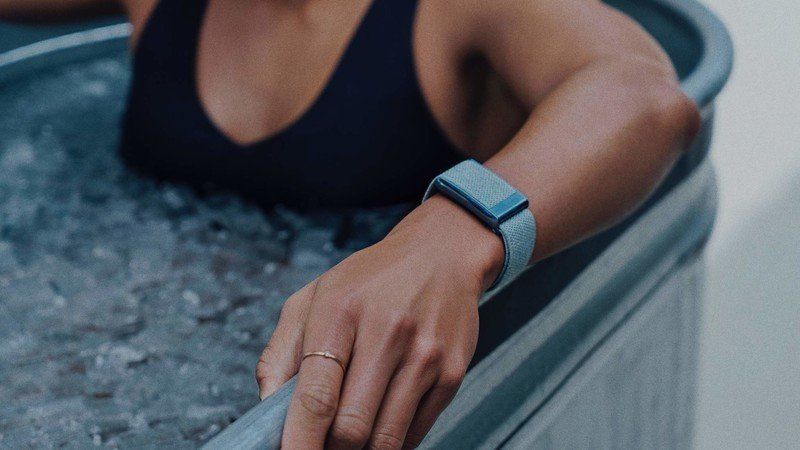
Whoop Wins Major Legal Battle Against Counterfeiters, Court Blocks Faceless Wearable Knockoffs
In a landmark ruling that has sent shockwaves through the wearable tech industry, Whoop has secured a decisive legal victory against Shenzhen-based Lexqi, with a U.S. federal court granting a preliminary injunction that effectively halts the sale of counterfeit faceless fitness trackers that closely mimicked Whoop’s iconic design.
The Design That Built an Empire
For over a decade, Whoop has cultivated a distinctive aesthetic in the fitness tracking space—a continuous fabric band seamlessly integrated with a faceless device featuring subtle metal side accents. This minimalist approach has become synonymous with the brand, representing not just a product but a lifestyle choice for professional athletes, fitness enthusiasts, and health-conscious consumers worldwide.
The court’s decision underscores the value of distinctive design in an increasingly crowded marketplace. When Whoop filed its lawsuit against Lexqi and Polar in early 2025, the company argued that these manufacturers were exploiting years of brand equity by producing nearly identical products and selling them through major platforms like Amazon.
Court Finds “Nearly Identical” Copying
The U.S. District Court for the District of Massachusetts didn’t mince words in its ruling. The judge determined that Whoop’s design had been “central to the company’s business for the past decade” and that Lexqi’s products were “almost identical to the Whoop product.” This finding carries significant weight, as it establishes legal precedent for protecting distinctive product designs in the wearable technology sector.
The injunction specifically targets Lexqi’s sales within the United States, requiring the company to cease distribution of the infringing products immediately. This represents more than just a temporary setback for the Chinese manufacturer—it’s a clear message that American courts will protect intellectual property rights in the digital age.
The Counterfeit Problem in Wearable Tech
Whoop’s victory highlights a broader issue plaguing the fitness tracking industry. A quick search on major e-commerce platforms reveals numerous brands offering “Whoop alternatives” at significantly lower price points. These products typically promise similar functionality without subscription fees, directly targeting consumers who admire Whoop’s design but balk at its premium pricing model.
The problem extends beyond simple competition. Many of these devices use Whoop’s design language so closely that average consumers might struggle to distinguish between authentic products and knockoffs. This confusion not only harms Whoop’s brand but potentially exposes consumers to inferior products that may not deliver promised features or maintain proper data security standards.
What This Means for the Industry
The ruling raises important questions about other manufacturers operating in this space. Luna recently unveiled a faceless fitness tracker at CES 2026 that, while running a different operating system with voice-focused features, could still invite design comparisons to Whoop. Similarly, Amazfit’s Helio Strap—a faceless tracking device—might face increased scrutiny following this legal precedent.
Industry analysts suggest this ruling could trigger a wave of design innovation as manufacturers seek to differentiate their products without infringing on established aesthetics. The fitness tracking market may see an evolution toward more distinctive form factors and user interfaces as companies work to avoid similar legal challenges.
The Price Paradox
While Whoop celebrates this legal victory, the company continues to face criticism over its pricing strategy. The fitness platform’s subscription model remains one of the most expensive in the industry, leading many consumers to seek alternatives. This pricing pressure has arguably fueled the counterfeit market, as budget-conscious consumers look for ways to access similar functionality without the premium price tag.
However, Whoop’s defenders argue that the company’s high pricing reflects the sophistication of its algorithms, the quality of its data analysis, and the extensive research and development that goes into creating truly useful health insights. The legal victory reinforces that while consumers may seek cheaper alternatives, they cannot simply copy successful designs without consequence.
A Win for Innovation and Consumer Protection
Beyond the immediate implications for Whoop and Lexqi, this ruling represents a significant victory for innovation in the tech industry. By protecting distinctive designs, courts encourage companies to invest in research and development rather than relying on imitation. This protection ultimately benefits consumers by fostering genuine innovation and ensuring that successful products are rewarded for their originality rather than copied by competitors.
The decision also serves as a warning to e-commerce platforms that host these products. Amazon and similar retailers may face increased pressure to verify the authenticity and originality of products listed on their platforms, potentially implementing more rigorous screening processes for fitness tracking devices.
Looking Ahead
As Whoop moves forward with this legal victory, the company faces the ongoing challenge of justifying its premium pricing while maintaining its position as an industry innovator. The fitness tracking market continues to evolve rapidly, with new players entering the space and established brands expanding their offerings.
For consumers, this ruling provides some assurance that the products they purchase are genuine and that companies will be held accountable for copying successful designs. However, it also highlights the importance of due diligence when purchasing fitness tracking devices, particularly from lesser-known brands or third-party sellers.
The wearable technology industry stands at a crossroads, with this ruling potentially marking the beginning of a new era where distinctive design is more rigorously protected. As companies navigate these legal waters, consumers can expect to see more diverse and innovative products hitting the market—each vying for attention with unique features rather than borrowed aesthetics.
Tags: Whoop lawsuit, faceless fitness tracker, wearable tech legal battle, Lexqi injunction, counterfeit fitness devices, Amazon fitness trackers, Whoop design protection, CES 2026 fitness tech, Amazfit Helio Strap, Luna fitness tracker, intellectual property rights, fitness tracking subscription, premium fitness tech, wearable design patents, tech industry legal news
Viral Phrases: “Design theft exposed,” “Court slams copycat wearables,” “Whoop’s legal knockout punch,” “The end of faceless fitness fakes,” “Innovation protected, copycats blocked,” “Fitness tech’s biggest legal win,” “Design originality matters,” “The price of copying success,” “Tech giants take notice,” “Your fitness tracker’s true cost”
,
Leave a Reply
Want to join the discussion?Feel free to contribute!