
Why an up-and-coming indie developer is returning Microsoft’s money | Games
Video Game Developers Return Microsoft Funding in Protest Against Company’s Ties to Israel
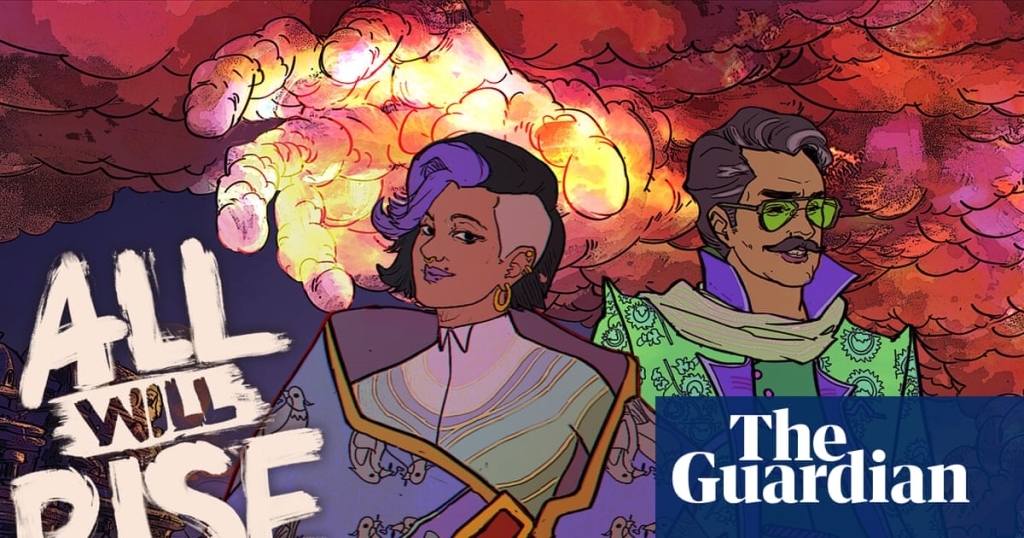
In a bold and unprecedented move that’s sending shockwaves through the gaming industry, indie developers of the upcoming deck-building game All Will Rise have returned funding received from Microsoft, citing the tech giant’s controversial ties to Israel’s military operations in Gaza. This decision marks a significant moment in the growing intersection of gaming, politics, and corporate responsibility.
The Funding Crisis and an Unusual Reversal
The video game industry is currently facing a severe funding crisis. During the pandemic gaming boom, investor money flowed freely, but those days have vanished. Independent developers, in particular, are struggling to secure the capital needed to bring their creative visions to life. Against this backdrop, it’s extraordinarily rare to hear of developers returning investment money—but that’s exactly what All Will Rise‘s creators at Speculative Agency have done.
Last year, All Will Rise, a deck-building game centered on activists fighting for their city’s future in an oligarch-controlled society, received funding from Microsoft as part of a developer acceleration program. However, in late 2025, the development team became aware of No Games for Genocide, a collective of developers, journalists, union organizers, and concerned citizens who united in response to Israel’s assault on Gaza. The group protests “material and commercial ties between the games industry and enabling genocide, war crimes, and the military industrial complex.”
Microsoft’s Controversial Connections
No Games for Genocide has specifically targeted Microsoft and Xbox for boycott due to the company’s documented ties to Israel’s Defense Forces and the technology provided during Israel’s military operations in Gaza. A United Nations commission last year declared these actions a genocide. As reported by The Guardian in August 2025, Israeli intelligence services were using Microsoft’s Azure cloud platform to carry out mass surveillance on Palestinian civilians.
Microsoft eventually terminated the Israeli military’s access to this specific surveillance service, though the IDF remains a client using other Microsoft services. The company’s continued relationship with the Israeli military has sparked widespread protests, including from Microsoft employees—some of whom were fired for their activism. Microsoft is listed on the Palestinian-led Boycott, Divestment and Sanctions (BDS) list.
A Principled Stand
Meghna Jayanth, narrative designer on All Will Rise, explained the team’s decision: “This decision felt right to us—the game we’re making is about making people feel powerful, and acting, and not giving into cynicism and hopelessness. It wasn’t an easy decision, but it’s worse to live in the feeling of powerlessness. We’re not naive—we know that our action on its own won’t move the needle much. But if enough developers and studios join us in this boycott, we do have the power to pressure Microsoft to end its complicity in Israeli genocide.”
The development team emphasized that their game’s themes of activism and resistance made Microsoft’s involvement particularly contradictory. By returning the funding, they’re aligning their business practices with their creative message.
Growing Anti-War Sentiment in Gaming
The gaming community has demonstrated strong anti-war sentiment through various initiatives. Developers have raised over $1 million for Palestinian aid through charity game bundles like Play for Peace and the Palestinian Relief Bundle. Gamers have contributed through charity streams under banners like Streamers 4 Palestinians, who have collectively raised €1 million according to Streamlabs.
However, major gaming companies have remained largely silent on these issues, and many employees consider speaking out professionally risky. No Games for Genocide‘s signatories are primarily individuals and small developers and companies.
The Broader Movement
Since launching approximately four months ago, No Games for Genocide has garnered nearly 2,800 signups, including nine organizations. Three of these are studios that have committed to refusing or returning Microsoft funding as long as the company remains complicit in what they characterize as genocide against Palestinians, along with ongoing military actions against people in Lebanon and Iran.
The campaign spokesperson stated they’re working with these studios to navigate the challenges and risks of taking such a stance, expressing pride in their principled decisions.
The Complexity of Divestment
The organizers acknowledge the complexity of completely divesting from problematic corporations in our globalized economy. No area of entertainment remains untouched by corporate and government influence. Electronic Arts will soon be partially owned by the Saudi Arabian sovereign wealth fund and a private equity firm connected to Jared Kushner, son-in-law of former U.S. President Donald Trump.
Microsoft’s acquisitions over the past decade have given it control over a substantial portion of the Western games industry, from Minecraft to Call of Duty, World of Warcraft to Fallout. Despite these challenges, the organizers argue that taking action feels better than remaining complicit through inaction.
Looking Forward
“No Games for Genocide” emphasizes that while no single entity can effect change alone, collective action can create meaningful pressure. The campaign extends beyond Microsoft to include other companies on the BDS list such as Intel, Amazon (which owns Twitch), Dell, and HP. The gaming industry’s deep ties to the U.S. Department of Defense and military applications, including video games used for military training and recruitment, represent additional areas requiring attention.
The movement represents a growing awareness within the gaming community about the ethical implications of corporate partnerships and the potential for collective action to influence industry practices. As more developers consider the alignment between their creative messages and their funding sources, the industry may face increasing pressure to examine its relationships with governments and military organizations worldwide.
Tags: #GamingIndustry #Microsoft #IsraelPalestine #GameDevelopment #IndieGames #CorporateResponsibility #BDS #NoGamesForGenocide #EthicalGaming #VideoGameFunding
Viral Sentences:
- “Developers returning Microsoft money is like finding a unicorn in the gaming industry”
- “When your game is about fighting oligarchs but your funder supports military surveillance”
- “The gaming industry’s funding crisis just got a lot more interesting”
- “Microsoft employees fired for protesting, now developers fired back by returning money”
- “Deck-building game takes down corporate giant with one principled move”
- “Gaming’s moral compass just got recalibrated”
- “When your art direction conflicts with your business direction”
- “The indie revolution is about more than just game mechanics”
- “Corporate complicity meets creative integrity in the gaming world”
- “From Azure cloud to ethical cloud: gaming’s conscience awakens”
,


Leave a Reply
Want to join the discussion?Feel free to contribute!