
Why Apple Rejected a Clamshell-Style Foldable iPhone
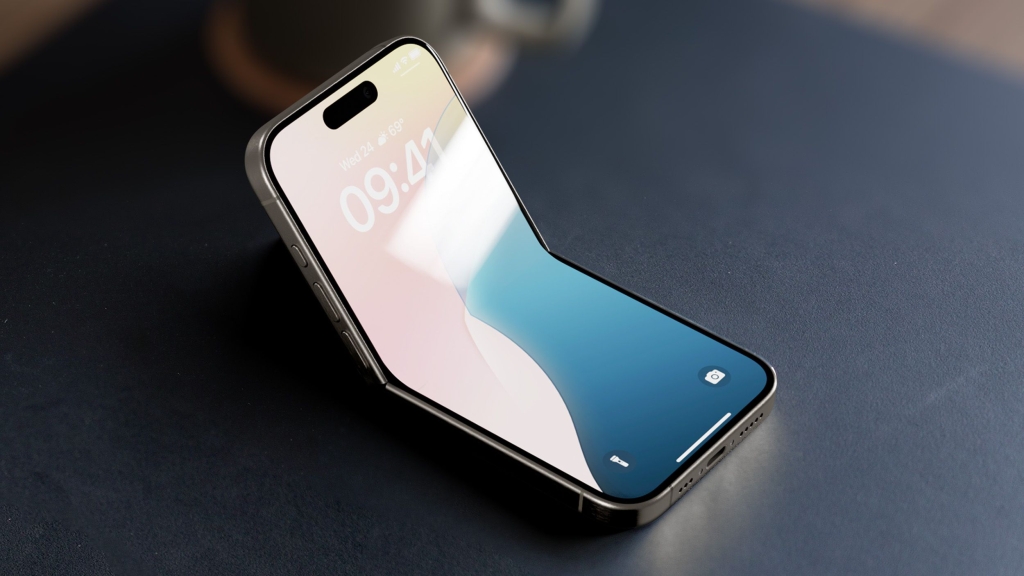
Apple Shelves Flip-Style Foldable iPhone: “Unnecessary” Design Fails to Impress
In a surprising turn of events, Apple has reportedly abandoned plans to develop a clamshell-style foldable iPhone, marking yet another chapter in the tech giant’s cautious approach to emerging smartphone form factors. According to a new leak from Weibo tipster Instant Digital, the company found the concept “unnecessary” and lacking compelling use cases that would justify the engineering challenges.
The revelation comes at a time when Samsung continues to push the boundaries of foldable technology with its successful Galaxy Z Flip series, making Apple’s decision all the more intriguing. The Cupertino-based company has long been known for its methodical approach to adopting new technologies, often waiting until they can perfect a concept rather than rushing to market.
The Design Dilemma: Size vs. Functionality
The primary selling point of a clamshell foldable—its ability to fold into a more compact form factor—apparently didn’t resonate strongly enough with Apple’s design philosophy. The company reportedly felt that the main benefit of a flip-style iPhone would be its smaller footprint when closed, but this advantage wasn’t deemed sufficient to warrant the compromises required.
“The biggest selling point would have been its smaller size when folded,” the leaker explained, suggesting that Apple’s engineers and designers couldn’t identify enough unique functionality to justify the complex engineering involved.
Engineering Challenges Mount
Beyond the questionable value proposition, the clamshell design presented significant technical hurdles that proved difficult to overcome. The split-screen design inherently created issues with internal space allocation, creating a cascade of compromises that Apple wasn’t willing to make.
Battery capacity emerged as a particularly thorny issue. The hinge mechanism and the need to distribute components across both halves of the device left less room for the battery—a critical component for any mobile device. In an era where battery life remains one of the top concerns for smartphone users, this limitation proved particularly problematic.
Camera components faced similar constraints. Apple’s commitment to maintaining its industry-leading camera system would have required significant compromises in a clamshell design. The split nature of the device would have forced engineers to either reduce camera quality or find innovative (and likely expensive) solutions to maintain performance.
The Mini Precedent: History Repeating Itself
The decision to abandon the clamshell concept carries echoes of Apple’s previous experience with smaller iPhones. The company previously launched both iPhone 12 mini and iPhone 13 mini, featuring 5.4-inch displays in a compact form factor. However, these models were discontinued after just two generations due to poor sales performance.
This history likely influenced Apple’s current thinking about compact devices. If consumers weren’t enthusiastic about a smaller traditional iPhone, the company may have reasoned that they would be even less interested in a smaller foldable variant.
Two Waves of Consideration
Interestingly, rumors about Apple’s interest in clamshell designs have surfaced during two distinct periods. The first wave of speculation emerged years ago, before reports shifted toward Apple’s work on a larger book-style foldable iPhone scheduled for release in 2026.
More recently, in February 2026, rumors resurfaced suggesting Apple was once again evaluating the clamshell design. The timing and wording of Instant Digital’s latest leak suggest this more recent evaluation may be the one that was ultimately abandoned.
The Book-Style Alternative
While the clamshell design appears to be off the table for now, Apple continues to pursue a book-style foldable iPhone, with reports indicating a 2026 launch timeline. This larger form factor may address many of the concerns that plagued the clamshell concept.
A book-style foldable would provide more internal space for components, potentially avoiding the battery and camera compromises that troubled the clamshell design. It would also offer a larger unfolded display, creating more compelling use cases for multitasking and media consumption.
Market Context: Samsung’s Success vs. Apple’s Caution
Samsung’s continued success with its Galaxy Z Flip series provides an interesting counterpoint to Apple’s decision. The South Korean tech giant has managed to create a thriving market for clamshell foldables, with each new generation bringing improvements in durability, camera quality, and overall user experience.
However, Apple’s approach has always differed from its competitors. The company has consistently prioritized perfecting technology before release rather than being first to market. This philosophy has served Apple well in the past, allowing it to enter markets with polished products rather than experimental prototypes.
What This Means for Foldable Future
The abandonment of the clamshell iPhone doesn’t necessarily signal the end of Apple’s foldable ambitions. Rather, it suggests the company is being selective about which form factors it believes can deliver the best user experience.
For now, it appears Apple is doubling down on the book-style foldable approach, which may offer a better balance of innovation and practicality. The company may revisit the clamshell concept in the future if technological advances or changing consumer preferences create new opportunities.
The Road Ahead
As Apple continues to refine its foldable strategy, the tech world will be watching closely. The company’s entry into the foldable market—whenever it happens—is likely to be a significant event, potentially validating the category in ways that earlier efforts have not.
For now, however, it seems that Apple’s vision of the future doesn’t include a flip-style iPhone, at least not in the immediate term. The company appears content to let others pioneer this particular form factor while it focuses on what it believes will be the next big thing in mobile technology.
viral tags:
AppleFoldable #iPhoneNews #TechRumors #MobileInnovation #ClamshellDesign #SamsungVsApple #FutureiPhone #FoldableTechnology #TechLeaks #AppleDecisions
viral phrases:
“unnecessary design,” “compelling use cases,” “engineering challenges,” “compact form factor,” “battery capacity issues,” “camera component compromises,” “book-style alternative,” “2026 launch timeline,” “market validation,” “technological perfection”
,


Leave a Reply
Want to join the discussion?Feel free to contribute!