
Why Are My Ears Ringing? Here’s What Experts Want You To Know About Tinnitus
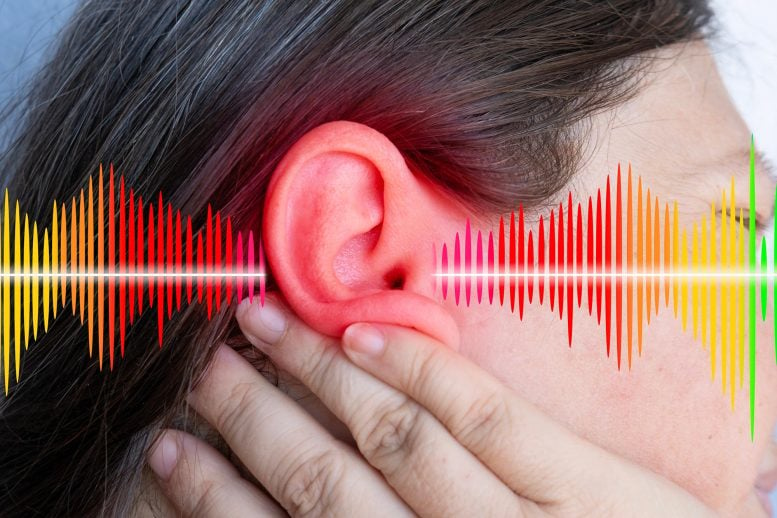
Why Are My Ears Ringing? Here’s What Experts Want You To Know About Tinnitus
Have you ever sat in a quiet room and suddenly noticed a high-pitched ringing, buzzing, or hissing in your ears? It’s not your imagination—it’s a condition known as tinnitus, and it’s far more common than you might think. From subtle background noise to an all-consuming hum, tinnitus affects millions of people worldwide. But what causes it, and why should you care? Let’s dive into the science, the stories, and the solutions.
Meet Susan Bianco, an 87-year-old resident of Lancaster, whose experience with tinnitus is both relatable and eye-opening. Susan first noticed changes in her hearing when she found herself repeatedly asking her husband to repeat himself. “I thought it was just him mumbling,” she laughs, “but then I realized it was me.” Phone conversations became a struggle, and social gatherings—once a joy—turned into exhausting efforts to keep up with conversations. “It’s very hard,” she admits, “but I’ve learned to adapt.”
Susan’s story is far from unique. Tinnitus often creeps in gradually, and many people dismiss it as a minor annoyance until it starts interfering with their daily lives. But what exactly is happening inside your ears when you hear these phantom sounds?
The Science Behind the Ringing
Tinnitus is not a disease but a symptom of an underlying issue, often related to hearing loss. When the delicate hair cells in your inner ear are damaged—whether by aging, loud noise exposure, or other factors—they can send false signals to your brain. Your brain interprets these signals as sound, even when there’s no external noise present. This is why tinnitus is often described as a “phantom sound.”
Dr. Emily Carter, an audiologist at the University of Pennsylvania, explains, “Think of your ears as a complex communication system. When part of that system breaks down, your brain tries to compensate, sometimes creating its own noise.” This is why tinnitus is so closely linked to hearing loss. In fact, studies show that up to 90% of people with tinnitus also have some degree of hearing impairment.
But tinnitus isn’t just about hearing loss. It can also be triggered by ear infections, head injuries, certain medications, or even stress and anxiety. “The brain is incredibly complex,” says Dr. Carter, “and tinnitus can be a sign that something else is going on.”
Why Early Prevention and Treatment Matter
The good news is that tinnitus doesn’t have to control your life. Early intervention can make a world of difference. For Susan, getting a hearing test was the first step. “I was hesitant at first,” she admits, “but once I got my hearing aids, it was like a whole new world opened up.” Hearing aids not only improved her ability to hear but also helped reduce the intensity of her tinnitus.
Experts agree that prevention is key. Protecting your ears from loud noises, avoiding prolonged use of headphones at high volumes, and managing stress can all help reduce your risk of developing tinnitus. “It’s about taking care of your ears before problems arise,” says Dr. Carter. “Once the damage is done, it’s much harder to reverse.”
For those already experiencing tinnitus, there are treatment options available. Sound therapy, cognitive behavioral therapy (CBT), and even mindfulness techniques have been shown to help manage the condition. “It’s not about curing tinnitus,” explains Dr. Carter, “but learning to live with it in a way that doesn’t disrupt your quality of life.”
The Emotional Toll of Tinnitus
While the physical symptoms of tinnitus are well-documented, its emotional impact is often overlooked. For many, the constant ringing can lead to frustration, anxiety, and even depression. “It’s like having a song stuck in your head, but you can’t turn it off,” says Susan. “It can be exhausting.”
This is why support networks and counseling are so important. Sharing your experiences with others who understand can be incredibly validating. “You’re not alone,” Susan emphasizes. “There are so many of us out there, and we’re all in this together.”
Looking Ahead: The Future of Tinnitus Research
The field of tinnitus research is rapidly evolving. Scientists are exploring new treatments, from neuromodulation techniques to advanced hearing aids that can target specific frequencies. “We’re on the cusp of some exciting breakthroughs,” says Dr. Carter. “The goal is to not only manage tinnitus but to one day eliminate it entirely.”
In the meantime, awareness is key. By understanding the causes and effects of tinnitus, we can take steps to protect our hearing and improve our quality of life. As Susan puts it, “Don’t ignore the signs. Your ears are precious, and they deserve your attention.”
Tags & Viral Phrases:
- Why Are My Ears Ringing?
- Tinnitus Explained
- Hearing Loss and Tinnitus
- Phantom Sounds in Your Ears
- How to Stop Ringing in Ears
- Tinnitus Treatment Options
- Protect Your Hearing Now
- The Science of Tinnitus
- Living with Tinnitus
- Tinnitus and Mental Health
- Breakthroughs in Tinnitus Research
- Tinnitus Support Networks
- Early Signs of Hearing Loss
- Tinnitus and Stress Connection
- Tinnitus Myths Debunked
- Tinnitus and Aging
- Tinnitus and Loud Noises
- Tinnitus and Ear Infections
- Tinnitus and Medications
- Tinnitus and Brain Health
,


Leave a Reply
Want to join the discussion?Feel free to contribute!