
Why Are Some Women Training for Pregnancy Like It’s a Marathon?
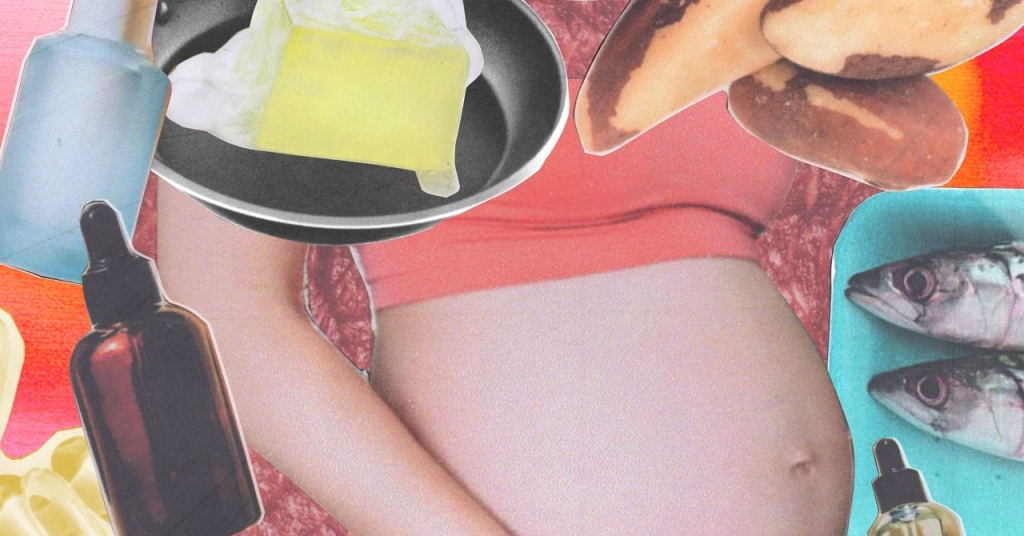
The “Zero Trimester” Obsession: How TikTok Is Rewriting the Rules of Pregnancy Prep
In an era where every life milestone is documented, dissected, and distributed across social media platforms, pregnancy preparation has undergone a radical transformation. What was once a private journey between partners and healthcare providers has exploded into a public spectacle, complete with elaborate rituals, expensive product recommendations, and a level of scrutiny that would have been unimaginable to previous generations.
At the center of this phenomenon is what medical professionals are calling the “zero trimester”—that crucial period before conception when women are increasingly focused on optimizing their bodies for pregnancy. This isn’t just about taking prenatal vitamins anymore; it’s become a full-blown lifestyle overhaul that’s generating billions in revenue while simultaneously raising serious questions about medical misinformation and consumer exploitation.
The Personal Journey Behind a Cultural Shift
Rohr’s story encapsulates the modern pregnancy preparation experience. As one of ten siblings with an extended family that includes 29 nieces and nephews, she’s witnessed firsthand the challenges that can accompany pregnancy. Her determination to have a “positive, empowering” experience reflects a broader cultural shift where pregnancy is no longer viewed as simply something that happens, but rather as an event to be meticulously planned and optimized.
“I always thought having a baby was, like, the least casual thing ever,” Rohr explains, capturing the mindset of a generation that approaches parenthood with the same strategic planning they apply to their careers. This isn’t casual decision-making; it’s a life-changing commitment that demands certainty and preparation.
The Medical Community’s Perspective
Healthcare professionals are watching this trend with a mixture of excitement and concern. Dr. Natalie Clark Stentz, an ob-gyn and reproductive endocrinologist at Michigan Medicine, sees the increased attention to preconception health as overwhelmingly positive. “There’s so many things that we can do to optimize underlying health in that preconception year that will make outcomes in pregnancy better,” she notes.
The American College of Obstetricians and Gynecologists has responded to this cultural shift by recommending that doctors ask patients of reproductive age about their pregnancy plans during routine checkups. This represents a significant change in how the medical community approaches reproductive health, acknowledging that preparation begins long before a positive pregnancy test.
However, the gap between medical recommendations and social media advice has created a concerning disconnect. While doctors emphasize straightforward interventions like vaccination updates, smoking cessation, and proper nutrition, TikTok and Instagram are flooded with elaborate regimens promising enhanced fertility and optimal pregnancy outcomes.
The Science vs. Social Media Divide
A 2025 study examining preconception nutritional claims on social media revealed a troubling pattern. Only 5 percent of the claims reviewed aligned with current international preconception guidelines, while 54 percent were deemed to have “no evidence for the health outcome.” TikTok and Instagram, in particular, showed higher percentages of unsupported claims compared to other platforms.
This disconnect between evidence-based medicine and viral wellness trends has created a perfect storm for misinformation. Take raw milk, for instance—celebrated by self-proclaimed “crunchy moms” as a natural, wholesome choice. Medical experts warn that unpasteurized milk can harbor harmful bacteria like listeria, which poses serious risks to developing fetuses and can lead to miscarriage.
Dr. Kara Goldman, an ob-gyn and associate professor at Northwestern University, has encountered patients making dangerous choices based on social media advice. One patient with a history of estrogen-receptor-positive breast cancer was unknowingly consuming beef organ supplements containing “ovary” and “uterus” ingredients—essentially taking supplemental estrogen despite years of avoiding it. Another concerning trend involves organ meats like liver, which can contain dangerously high levels of Vitamin A during pregnancy.
“The evidence-based things, they’re not sexy,” Dr. Stentz admits. “Maintain a normal BMI, stop smoking, pick a boring prenatal vitamin.” This stark contrast between medical reality and social media spectacle highlights the challenge facing modern healthcare providers.
The Economics of Pregnancy Preparation
The financial implications of this trend are staggering. A month’s supply of Perelel’s “conception support pack,” which includes prenatal vitamins, omega DHA + EPA, and CoQ12 + folate, costs $58.77. But that’s just the beginning. Many women are investing in complete kitchen overhauls, replacing Tupperware, cooking utensils, and pans with alternatives marketed as safer for pregnancy. Add in Pilates classes, organic produce, and new makeup and skincare products, and the costs can quickly escalate into thousands of dollars.
This commercialization of pregnancy preparation raises ethical questions about who benefits from this trend. Supplement companies, wellness brands, and lifestyle influencers are capitalizing on women’s desire for control and certainty during a time that’s inherently unpredictable. The result is a lucrative market built on anxiety, aspiration, and the promise of perfect outcomes.
The Psychological Impact
Beyond the physical and financial aspects, this intense focus on pregnancy preparation is reshaping how women experience the journey to motherhood. The pressure to optimize every aspect of one’s life before conception can create additional stress during an already emotionally charged time. Women report feeling guilty about past choices, anxious about current decisions, and overwhelmed by the sheer volume of information and recommendations.
This perfectionism around pregnancy preparation reflects broader societal trends toward optimization and control. In an age where we can track our steps, monitor our sleep, and analyze our nutrition down to the micronutrient, it’s perhaps inevitable that pregnancy would become another domain for data-driven decision-making. But pregnancy, by its nature, resists complete control—and this tension between aspiration and reality can create significant psychological strain.
The Future of Pregnancy Preparation
As this trend continues to evolve, several key questions emerge. Will medical professionals find ways to effectively counter misinformation on social media? How will insurance companies respond to the increasing costs associated with elaborate pregnancy preparation regimens? And perhaps most importantly, how will this intense focus on optimization affect women’s actual experiences of pregnancy and motherhood?
The “zero trimester” phenomenon represents both the best and worst of our current cultural moment. It reflects genuine concern for maternal and fetal health, increased agency for women in their reproductive choices, and a desire to approach parenthood with intention and care. At the same time, it reveals our vulnerability to marketing, our appetite for quick fixes and magical solutions, and our tendency to view complex biological processes through the lens of consumerism and social media performance.
As more women like Rohr navigate this new landscape of pregnancy preparation, the challenge will be finding balance—between preparation and obsession, between medical guidance and social media influence, and between the desire for control and the acceptance of uncertainty that comes with bringing new life into the world.
tags
PregnancyPrep #ZeroTrimester #FertilityJourney #MomTok #PreconceptionHealth #PregnancyTips #HealthyPregnancy #FertilityAwareness #MomLife #PregnancyGoals #WellnessJourney #BabyPlanning #MaternalHealth #PregnancyAdvice #FertilityTips
viral
Pregnancy preparation TikTok trend
Zero trimester phenomenon
Social media pregnancy advice
Expensive pregnancy supplements
Raw milk pregnancy controversy
Beef organ supplements fertility
Pregnancy kitchen overhaul
Preconception health optimization
Medical misinformation pregnancy
Pregnancy perfectionism culture
,

Leave a Reply
Want to join the discussion?Feel free to contribute!