
Why did magic mushrooms evolve? We may finally have the answer
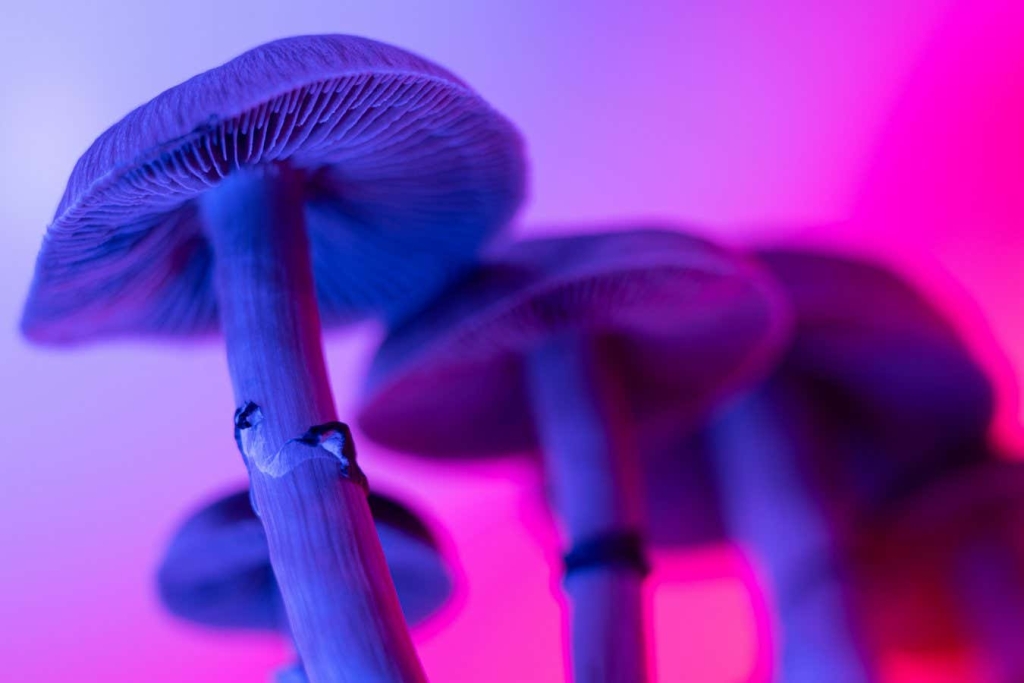
Magic Mushrooms’ Psychedelic Secret: A Bioweapon Against Insects, Scientists Reveal
In a groundbreaking study that’s sending shockwaves through the scientific community, researchers have uncovered the astonishing evolutionary purpose behind magic mushrooms’ mind-bending properties. While humans have been tripping on these fungi for millennia, it turns out these psychedelic powerhouses were actually designed as nature’s ultimate insect-killing weapon.
The research, conducted by a team at the University of Plymouth in the UK, has flipped our understanding of psilocybin—the compound responsible for magic mushrooms’ hallucinogenic effects—completely on its head. For years, scientists have been exploring psilocybin’s potential to treat everything from depression to PTSD, but the real reason fungi evolved this chemical cocktail has remained one of nature’s most intriguing mysteries.
“It’s like discovering that the world’s most famous party drug was actually developed as a sophisticated pest control system,” says Dr. Jon Ellis, lead researcher on the project. “These mushrooms weren’t trying to get insects high—they were trying to kill them.”
The team’s experiments were nothing short of dramatic. They fed fruit fly larvae food laced with powdered magic mushrooms (Psilocybe cubensis) and watched as nature’s chemistry took its devastating course. The results were shocking: at higher doses, only about 25% of the larvae survived to adulthood. Those that did make it through were severely compromised—smaller, with deformed wings, and displaying erratic, uncoordinated movement patterns.
“It was like watching a horror movie in slow motion,” describes research team member Kirsty Matthews Nicholass. “These insects weren’t having a psychedelic experience—they were being systematically disabled by the mushroom’s chemical warfare.”
The study didn’t stop there. The researchers collected seven different mushroom species from Dartmoor, UK, and analyzed the insect DNA present on each sample. The findings were startling: psilocybin-producing fungi hosted a completely different community of insects compared to non-psychedelic mushrooms, suggesting these compounds play a crucial role in determining which insects can even survive on these fungi.
But here’s where it gets really interesting. The relationship between psilocybin and insects is far more complex than initially thought. In a surprising twist, fruit flies with reduced levels of the serotonin receptor that psilocybin normally targets actually suffered worse effects. This unexpected result suggests that the evolutionary story of psychedelic fungi is far more nuanced than a simple “poison the insects” scenario.
The implications of this research are enormous. While we’ve been exploring magic mushrooms as potential mental health treatments, these fungi have been engaged in an evolutionary arms race with insects for millions of years. Some scientists speculate that psilocybin might also help mushrooms deter slugs and snails, or even manipulate insects to help disperse their spores—essentially turning potential predators into unwitting delivery systems.
“This study opens up a whole new frontier in understanding fungal evolution,” explains Dr. Fabrizio Alberti from the University of Warwick. “It’s not just about psilocybin—even non-psychedelic mushrooms produce compounds that interfere with insect development. The chemical warfare in the fungal world is far more sophisticated than we ever imagined.”
The research also highlights the enormous challenges in studying these evolutionary relationships. As Dr. Bernhard Rupp from the University of Innsbruck notes, “There are countless ways mushrooms producing psilocybin and other exotic compounds might gain evolutionary advantages. This is just the beginning of understanding this complex chemical arms race.”
What makes this discovery particularly fascinating is how it reframes our relationship with these ancient organisms. For thousands of years, humans have sought out these mushrooms for their consciousness-expanding properties, completely unaware that we were essentially hijacking a biological weapon designed for insect warfare.
As research into psilocybin continues to expand, with potential applications ranging from treating depression to managing end-of-life anxiety, this study serves as a powerful reminder of nature’s complexity. These aren’t just “magic” mushrooms—they’re sophisticated chemical factories that have been fine-tuning their insect-killing capabilities for millions of years.
The next time you hear about someone having a profound psychedelic experience with magic mushrooms, remember: they’re essentially experiencing the side effects of a compound that evolved to wage chemical warfare against insects. It’s a mind-bending thought that perfectly encapsulates the strange, beautiful, and often terrifying complexity of evolutionary biology.
Tags & Viral Phrases:
- Nature’s Psychedelic Insecticide
- Magic Mushrooms Were Never Meant for Humans
- The Real Reason Shrooms Make You Trip
- Fungal Chemical Warfare
- Evolution’s Trippy Defense Mechanism
- How Mushrooms Became Nature’s Pest Control
- The Dark Side of Psychedelic Fungi
- When Bugs Meet Shrooms: A Deadly Encounter
- The Insect Apocalypse That Never Was
- Psychedelic Chemistry: Not Just for Humans Anymore
- Nature’s Most Unexpected Bioweapon
- The Secret Life of Magic Mushrooms
- Why Your Trip Is Actually an Accident
- The Evolutionary Arms Race Nobody Saw Coming
- From Insect Killer to Mental Health Miracle
- The Trippy Truth About Fungi
- How Shrooms Became Medicine
- The Bug-Killing Properties of Your Favorite Trip
- Nature’s Most Sophisticated Chemical Factory
- The Real Story Behind the Magic
,


Leave a Reply
Want to join the discussion?Feel free to contribute!