
Why drug overdose deaths have suddenly plummeted in the US
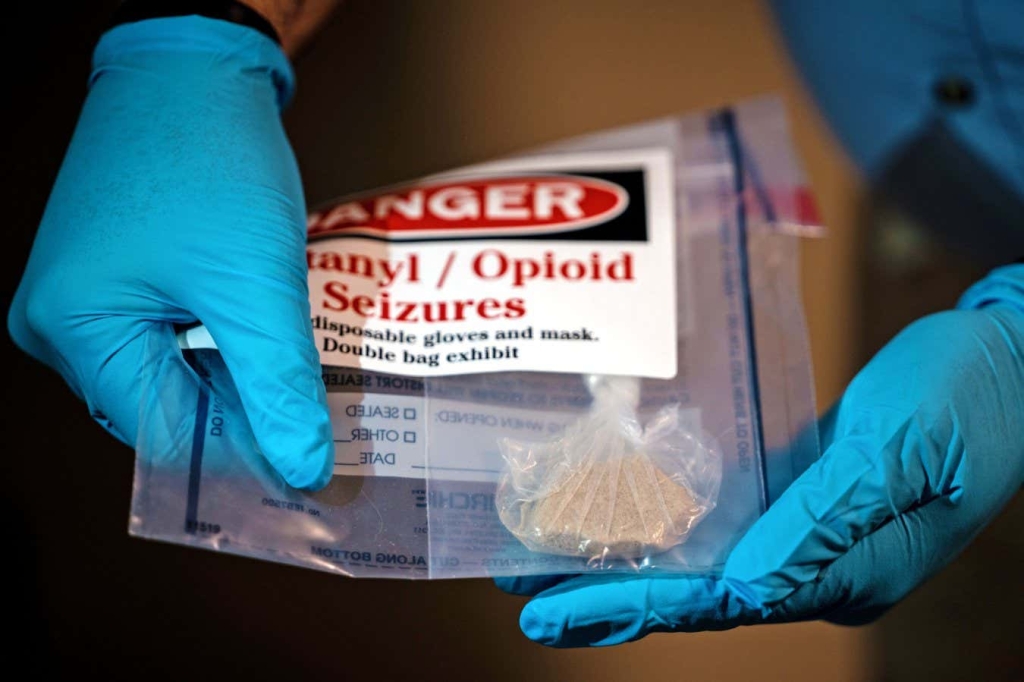
Fentanyl Crisis Takes a Sharp Turn: US Overdose Deaths Plummet as Drug Purity Drops
In a stunning reversal of a nearly two-decade-long public health emergency, drug overdose deaths in the United States have fallen dramatically, with fentanyl-related fatalities dropping by a staggering 34% in just one year. This unexpected decline has sent shockwaves through the public health community, raising urgent questions about whether America has finally turned a corner in its devastating opioid epidemic—or if this is merely a temporary reprieve.
The Numbers Tell a Remarkable Story
The statistics are nothing short of breathtaking. After claiming over 1 million American lives since 1999, with deaths climbing nearly every year until 2023, the overdose crisis has suddenly reversed course. The decline began modestly in 2023 with a 3% drop, but then accelerated dramatically in 2024 with a 26% plummet. This represents the most significant year-over-year reduction in overdose deaths ever recorded in the United States.
Behind these headline numbers lies an even more telling detail: fentanyl-related deaths fell from nearly 73,000 to fewer than 48,000, while deaths from stimulants like cocaine and methamphetamine actually increased slightly. This stark contrast suggests something fundamental has changed in the drug supply chain itself.
The Purity Problem: How Weaker Fentanyl Is Saving Lives
The most compelling explanation centers on the purity of illicit fentanyl hitting American streets. Analysis by researchers at the University States Drug Enforcement Administration reveals that fentanyl purity peaked at around 25% by weight during mid-2023, meaning three-quarters of what users believed was fentanyl was actually cutting agents like flour, baking soda, or other substances.
By the end of 2024, that purity had plummeted to approximately 11%. This dramatic reduction in potency means that users who might have consumed a lethal dose in 2023 are now receiving a substantially weaker product. The decline appears to be linked to China’s November 2023 crackdown on fentanyl precursor chemicals, though the exact timeline remains debated among experts.
A Crisis in Transition, Not Resolution
Despite the encouraging numbers, public health experts caution against premature celebration. The decline in fentanyl deaths has “levelled off” according to preliminary 2025 data, and deaths from other substances are beginning to rise again. Cocaine and methamphetamine fatalities continue their upward march, and new threats like xylazine and medetomidine—powerful veterinary sedatives now appearing in the drug supply—pose fresh dangers.
The crisis has also evolved into what researchers call a “fourth wave,” characterized by polysubstance use where fentanyl is mixed with stimulants. While these combined overdoses initially drove much of the death toll, they too have begun declining, suggesting the entire fentanyl supply chain may have been disrupted.
The Human Cost Remains Staggering
Even with the dramatic improvements, nearly 80,000 Americans still died from drug overdoses in 2024. This represents a 75% reduction from peak levels, but the absolute numbers remain horrifying. Moreover, the emergence of medetomidine has created new medical challenges, with hospitals now routinely admitting patients for intensive care withdrawal from this potent sedative—something that was virtually unheard of just years ago.
Regional and Demographic Patterns
One of the most striking aspects of the decline is its universality. The reduction in fentanyl deaths occurred across all racial groups, both sexes, every region of the country, and nearly every age demographic. This widespread pattern strongly suggests a supply-side issue rather than changes in individual behavior, treatment access, or harm reduction efforts.
The Economic and Social Implications
The sudden shift has profound implications for American society. Communities ravaged by the opioid crisis are seeing their emergency rooms less crowded, their morgues less overwhelmed, and their families less devastated. However, the economic costs of the epidemic—estimated in the hundreds of billions of dollars annually—won’t disappear overnight, even if deaths continue to decline.
Looking Forward: Uncertainty and Opportunity
The big question now facing public health officials, law enforcement, and policymakers is whether this represents a true turning point or merely a temporary disruption in the drug supply. The answer could determine how billions in federal funding is allocated and whether the nation can finally begin to heal from one of its worst public health crises.
What’s clear is that the opioid epidemic has proven remarkably resilient and adaptable. Just as one threat diminishes, others emerge. The challenge now is to build on this unexpected progress while remaining vigilant against new dangers and addressing the underlying factors—poverty, trauma, lack of healthcare access—that fuel substance use disorders in the first place.
The fentanyl crisis may have taken an unexpected turn, but the journey toward recovery for American communities is far from over. The dramatic decline in deaths offers hope, but it also serves as a reminder that in the complex world of illicit drugs and public health, nothing is ever truly settled.
#fentanylcrisis #opioidepidemic #drugoverdose #publichealth #USAcrisis #drugpolicy #harmreduction #addictionrecovery #publicsafety #healthcarecrisis
“This changes everything we thought we knew about the opioid epidemic.”
“The fentanyl purity drop is the most significant public health intervention we’ve seen in decades.”
“China’s crackdown might have accidentally saved thousands of American lives.”
“We’re not out of the woods yet—just in a different part of the forest.”
“The fourth wave of overdoses is receding, but what’s coming next?”
“Medetomidine withdrawal is creating ICU cases we’ve never seen before.”
“80,000 deaths is still a catastrophic failure of public health.”
“The supply chain disruption proves that policy can work—when it’s enforced.”
“Every life saved matters, but we can’t declare victory with 80,000 dead.”
“This isn’t the end of the crisis—it’s the beginning of a new chapter.”,


Leave a Reply
Want to join the discussion?Feel free to contribute!