
Why In-Car Tech Can Sometimes Stop Working In Cold Weather
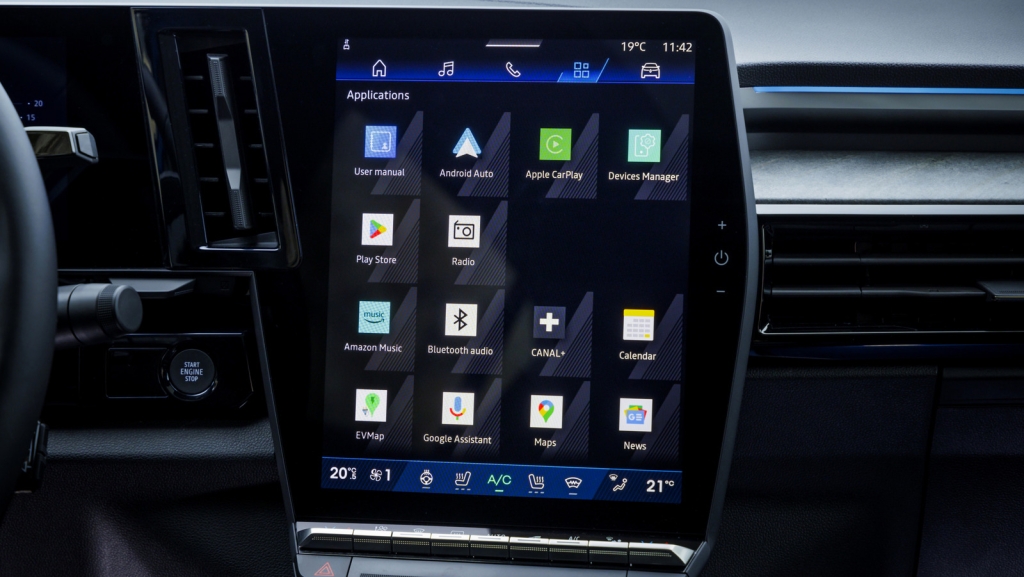
Why Your Car’s Tech Might Struggle in Freezing Weather
As vehicles evolve into sophisticated computers on wheels, modern automobiles have become inescapable showcases of cutting-edge technology. Even the most budget-friendly vehicles—many of which remain unavailable in North America—now come equipped with basic infotainment systems, color displays that replace traditional gauges, and an array of digital features that would have seemed futuristic just a decade ago.
The automotive industry’s technological revolution has brought undeniable advantages. Today’s vehicles are more connected than ever before, with infotainment systems capable of mirroring smartphone screens, playing personal music libraries, and adapting to individual navigation preferences. Digital gauge clusters can now display exponentially more information than their analog predecessors ever could. In fact, certain manufacturers have developed infotainment interfaces that some experts argue surpass even Apple’s ubiquitous CarPlay system in functionality and user experience.
However, this digital transformation hasn’t been without its drawbacks. The constant blue glow from screens illuminating passengers’ faces has become a common sight, while the need to navigate complex menus while driving introduces new distractions. Perhaps most frustratingly, these technological marvels often behave unpredictably when temperatures plummet.
The science behind these cold-weather glitches is rooted in the fundamental technology powering most in-car displays. Liquid crystal displays (LCDs) rely on liquid crystals that can slow their movement significantly when exposed to freezing temperatures. This molecular sluggishness translates directly to reduced screen responsiveness and delayed animations—an annoyance that can range from mildly inconvenient to potentially dangerous when trying to adjust crucial vehicle settings while driving.
What Can You Do When Your Infotainment System Becomes Unresponsive?
While automotive engineers are undoubtedly working on solutions to prevent temperature-related display issues, no widespread fix currently exists in production vehicles. The most reliable remedy remains surprisingly simple: allow your vehicle to warm up for several minutes before attempting to use the infotainment system. As the internal temperature rises, the liquid crystals regain their mobility, and the display returns to normal responsiveness.
Electric vehicle owners enjoy a distinct advantage in this scenario. Many modern EVs offer remote preconditioning features that allow drivers to activate heating or cooling systems before entering the vehicle. This capability means you can initiate the warming process while still inside your home or office, ensuring the vehicle’s systems are fully operational by the time you’re ready to drive.
However, EV owners should exercise caution when using preconditioning in extremely cold conditions. In rare instances, activating the heating system in sub-zero temperatures can lead to condensation forming within or behind display panels and electronic circuitry. This moisture intrusion poses a risk of damage to sensitive components. Additionally, your vehicle’s power source—whether an internal combustion engine or electric battery—can experience various weather-related challenges that extend beyond just the infotainment system.
Cold weather can affect your vehicle’s advanced driver assistance systems (ADAS) in ways you might not expect. Ice accumulation on bumpers or around sensor housings can interfere with critical safety features. For instance, the radar system responsible for adaptive cruise control may struggle to maintain accurate readings when covered in ice, potentially compromising its ability to detect vehicles ahead. Similarly, cameras used for lane-keeping assistance or automatic emergency braking might produce unreliable results when obscured by frost or snow.
The solution to most cold-weather technological hiccups remains consistent: patience and preparation. Allowing your vehicle adequate time to warm up—either through remote activation in EVs or by simply starting the engine in traditional vehicles—typically resolves the majority of temperature-related issues. This brief waiting period ensures that displays function properly, sensors operate accurately, and all electronic systems perform as intended.
As automotive technology continues to advance, manufacturers are likely to develop more sophisticated solutions to address these temperature-related challenges. Future vehicles may incorporate self-warming displays, heated sensor housings, or other innovations designed to maintain optimal performance regardless of external conditions. Until then, understanding these limitations and planning accordingly can help ensure a smoother, safer driving experience even when temperatures drop below freezing.
Tags: Car technology, infotainment systems, cold weather car problems, LCD screens, electric vehicles, vehicle sensors, ADAS systems, automotive innovation, winter driving tips, vehicle electronics, freezing temperatures, car displays, adaptive cruise control, driver assistance, vehicle maintenance, winter car care, automotive displays, cold weather driving, EV features, car technology issues
Viral Sentences:
Your car’s fancy screen might freeze before your engine does
That expensive infotainment system becomes a paperweight in the cold
EV owners have the ultimate winter hack for frozen car tech
Ice on your bumper could mean your safety features take a snow day
Liquid crystals move slower than rush hour traffic in freezing weather
Your car’s computer needs a warm-up too, not just the engine
Modern cars are basically smartphones with wheels and winter problems
The more tech your car has, the more things can go wrong when it’s cold
Waiting for your screen to unfreeze is the new waiting for your engine to warm up
Those fancy digital gauges might lag more than your internet connection
Your car’s sensors can’t see through ice any better than you can
Remote start isn’t just for comfort anymore, it’s for functionality
Winter is coming and your car’s tech knows it
The future of driving still can’t beat Mother Nature’s freezer
Your expensive vehicle might need the same treatment as your old flip phone in the cold
,


Leave a Reply
Want to join the discussion?Feel free to contribute!