
Why ‘iPhone Fold’ can do what even Google Pixel Fold couldn’t
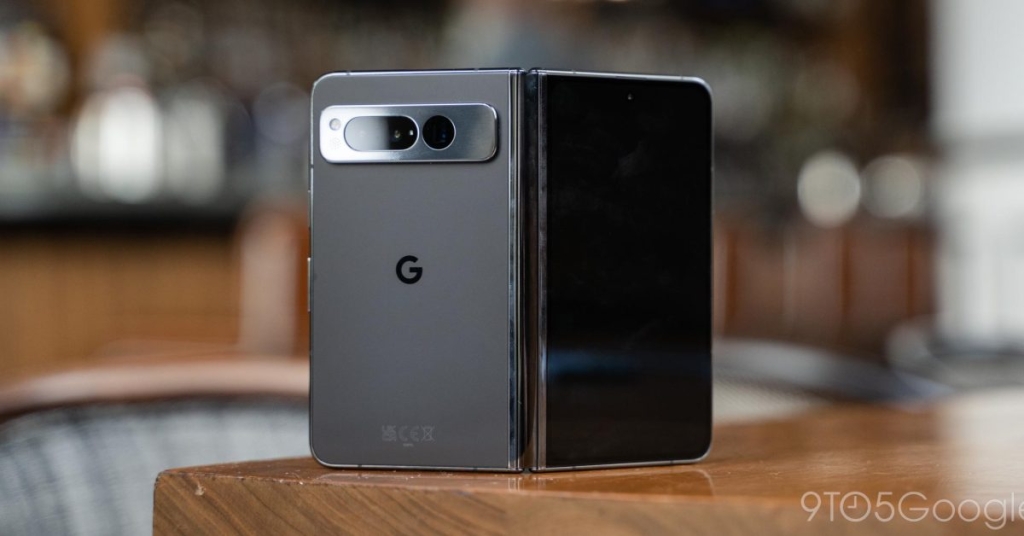
Google Pixel Fold’s Legacy Lives On as Apple iPhone Fold Revives the Wider Form Factor
In the ever-evolving world of foldable smartphones, a fascinating trend is emerging that’s sending ripples through the tech industry. The wider, tablet-like foldable form factor pioneered by Oppo and Google is making a comeback, but this time, it’s Apple leading the charge.
Remember the Oppo Find N and Google Pixel Fold? These devices introduced a unique “passport-style” design with wider outer displays that opened into expansive tablet-like canvases. While innovative, this form factor faced significant challenges with app compatibility, ultimately leading to its abandonment by Android manufacturers in favor of the more traditional tall-and-narrow Galaxy Z Fold design.
The Form Factor That Got Away
The original Oppo Find N was a revelation—a thick but incredibly capable device with a stubby outer display that opened into a wider, more tablet-like experience. Google’s Pixel Fold took this concept and refined it further, creating what many considered the ultimate pocket-sized tablet experience. The wider aspect ratio was perfect for media consumption and gave apps more room to breathe in their tablet layouts.
However, there was a fundamental problem: Android apps weren’t ready for this wider canvas. As I noted back in 2022, for every app that worked beautifully on the Pixel Fold’s wider display, several others were borderline unusable. The horizontal layout simply confused many Android apps, leaving users frustrated.
Samsung’s Dominance and the App Ecosystem Reality
While Oppo and Google experimented with wider foldables, Samsung doubled down on its tall-and-narrow Galaxy Z Fold design. Despite criticism about the outer display’s usability, Samsung’s approach proved more practical for the app ecosystem at the time. The taller, slightly more square inner display was simply more forgiving for apps that struggled to adapt to wider canvases.
Google eventually conceded this reality, confirming that the Pixel 9 Pro Fold’s shift back to a more traditional aspect ratio was driven by app compatibility concerns on both displays. It was a pragmatic decision, but one that left fans of the wider form factor disappointed.
Apple Changes Everything (Again)
Now, all signs point to Apple resurrecting this wider form factor with the upcoming iPhone Fold. According to reports, Apple’s foldable will feature a 5.3-inch outer display and 7.7-inch inner display—wider than traditional foldables and more reminiscent of the original Pixel Fold’s proportions.
This isn’t just Apple copying Android; it’s Apple potentially solving the problems that plagued earlier attempts. Where Google struggles to implement sweeping changes to the Android app ecosystem, developers tend to adopt changes from Apple immediately. The iPhone Fold could force the app ecosystem to adapt to this wider form factor, rather than the other way around.
The Android Copycat Effect
Predictably, Apple’s move is causing a domino effect in the Android world. Samsung is reportedly working on a “Wide Fold,” Honor is developing its own version, and even Oppo—the company that pioneered this form factor—is expected to launch a Find N7 with a wider aspect ratio.
It’s almost comical when you think about it. Android brands came up with this form factor years ago, quickly abandoned it, and are now rushing to copy Apple’s version. This reactionary approach has become increasingly common in the Android ecosystem, from Samsung’s thin S25 Edge (designed purely to beat Apple to market) to price-matching strategies that sacrifice meaningful upgrades.
Will It Work This Time?
The big question is whether this wider form factor will finally stick. Android apps have improved significantly in their foldable support over the past few years, which should translate nicely to these new devices. However, maintaining two distinct foldable form factors isn’t sustainable for a niche market.
We’ll likely see some brands stick with traditional designs while others embrace the wider approach. The success of Apple’s iPhone Fold could determine which path becomes dominant, but one thing is certain: the foldable smartphone landscape is about to get a lot more interesting.
What do you think? Are you excited about the return of wider foldables? Do you believe Android apps are finally ready for this form factor? Share your thoughts below!
Tags: #FoldablePhones #iPhoneFold #PixelFold #OppoFindN #SamsungFold #Apple #Google #MobileTech #SmartphoneInnovation #TechNews #Android #iOS #FormFactor #AppEcosystem #TechTrends #MobileDevices #CuttingEdgeTechnology #FutureOfSmartphones #TechIndustry #DeviceDesign
Viral Phrases: “Apple changes everything (again)”, “The form factor that got away”, “Android’s copycat effect”, “Will wider foldables finally stick?”, “The foldable landscape is about to get interesting”, “Apps forced to adapt”, “Apple solves Google’s problems”, “The comeback of the wider canvas”, “Niche market sustainability”, “Reactionary Android strategies”
,


Leave a Reply
Want to join the discussion?Feel free to contribute!