
Why it takes you and an elephant the same amount of time to poop
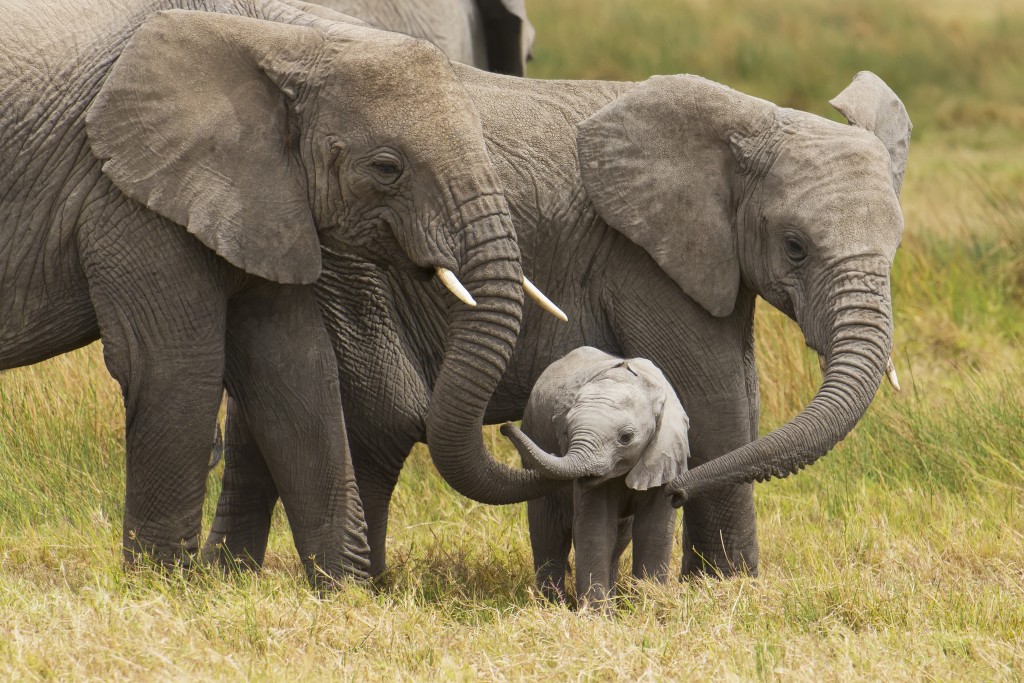
Here’s a rewritten version of the technology news article with a detailed, informative, and viral tone, along with a list of viral tags and phrases at the end:
The Physics of Poop: Why It Takes You and an Elephant the Same Amount of Time
From ancient Chinese copromancy to modern medical inquiries, the study of feces has been a constant throughout human history. Today, we delve into the fascinating world of defecation, exploring the physics behind this universal bodily function.
A Personal Journey into the Science of Poop
As a working dad, I found myself thrust into the world of fecal analysis through the trials of parenthood. Years of diaper changes and potty training transformed me from a novice to a connoisseur of poo. My life became a series of vivid images: hard pellets like peas, smooth snakes, and puddles of brown water.
From Observation to Laboratory
Intrigued by these observations, I joined forces with fellow fluid dynamicist Patricia Yang and colorectal surgeon Daniel Chu. Together with undergraduates Candice Kaminski and Morgan LaMarca, we embarked on a unique research journey at Zoo Atlanta. Our team filmed defecation and collected feces from 34 mammalian species to measure their density and viscosity.
Discoveries in the Animal Kingdom
Our research revealed fascinating insights into the animal kingdom’s bathroom habits. We found that most herbivores produce “floaters,” while carnivores create “sinkers.” Inadvertently, we also ranked feces from most to least smelly, with tiger and rhino at the top and panda at the bottom.
The Secret to Speedy Defecation
One of our most surprising findings was that defecation duration remains constant across many animal species – around 12 seconds, give or take 7 seconds. This held true even though the volume of feces varied greatly. For instance, an elephant’s 20-liter poop is nearly a thousand times more than a dog’s 10-milliliter contribution.
The key to this consistency lies in the properties of an ultra-thin layer of mucus lining the walls of the large intestine. This mucus layer, thinner than a human hair, is incredibly slippery – more than 100 times less viscous than feces.
A Unified Theory of Pooping
Our research has led to a cohesive physics story for how defecation works. Bigger animals have longer feces, but also thicker mucus, allowing them to achieve high speeds with the same pressure. Without this mucus layer, defecation might not be possible at all.
Practical Applications
Beyond satisfying our scientific curiosity, our research has had some unexpected practical applications. We used our findings to design an adult diaper for astronauts, which was a semifinalist in NASA’s Space Poop Challenge. By taking advantage of the viscosity of feces, we created a diaper that segregates waste away from direct contact with skin, potentially allowing astronauts to stay in their space suits for up to seven days.
The Bigger Picture
Our study of feces goes beyond mere curiosity. Alterations in mucus can contribute to various ailments, including chronic constipation and infections by bacteria such as C. difficile in the gastrointestinal tract. By understanding the physics of defecation, we may be able to develop better treatments for these conditions.
Conclusion
This research demonstrates how physics and mathematics can be applied to everyday phenomena, even those we might consider taboo. By studying the physics of poop, we’ve gained insights into animal biology, human health, and even space exploration. It’s a reminder that science can be found in the most unexpected places – even in your toilet bowl.
Viral Tags and Phrases:
- “The Physics of Poop”
- “Why It Takes You and an Elephant the Same Amount of Time”
- “From Ancient Chinese Copromancy to Modern Science”
- “The Secret Life of Feces”
- “Mucus: The Unsung Hero of Defecation”
- “Zoo Atlanta: Where Science Meets Poop”
- “Defecation Duration: 12 Seconds, Give or Take”
- “The Great Feces Float-Off”
- “Elephant vs. Dog: A Tale of Two Poops”
- “Space Poop Challenge: NASA’s Most Unexpected Competition”
- “The Mucus Layer: Thinner Than a Human Hair, Slicker Than a Slip ‘n Slide”
- “From Diaper Changes to Scientific Breakthroughs”
- “The Unified Theory of Pooping”
- “Why Your Poop Might Save an Astronaut’s Life”
- “The Surprising Science of Number Two”
- “Feces: Not Just a Waste Product, But a Window into Biology”
- “The Slippery Truth About Defecation”
- “From Zoo to Lab: The Journey of 34 Species’ Poop”
- “The Viscosity of Victory: How Mucus Makes Defecation Possible”
- “Poop Physics: Where Newton Meets Number Two”
,

Leave a Reply
Want to join the discussion?Feel free to contribute!