
Why People Keep Attacking & Vandalizing These Specific Traffic Cameras
Viral Backlash: The Flock License Plate Camera Controversy That’s Got America Talking
In a digital age where surveillance feels increasingly inescapable, a Georgia-based tech company called Flock Safety has found itself at the epicenter of a heated national debate. With over 80,000 automated license plate readers (ALPRs) deployed across the United States, these unassuming traffic cameras are now becoming targets of vandalism, public outrage, and civil disobedience. But why are people so angry about these devices, and what does this mean for privacy, civil liberties, and law enforcement in America?
The Rise of Flock Safety: From Startup to Surveillance Powerhouse
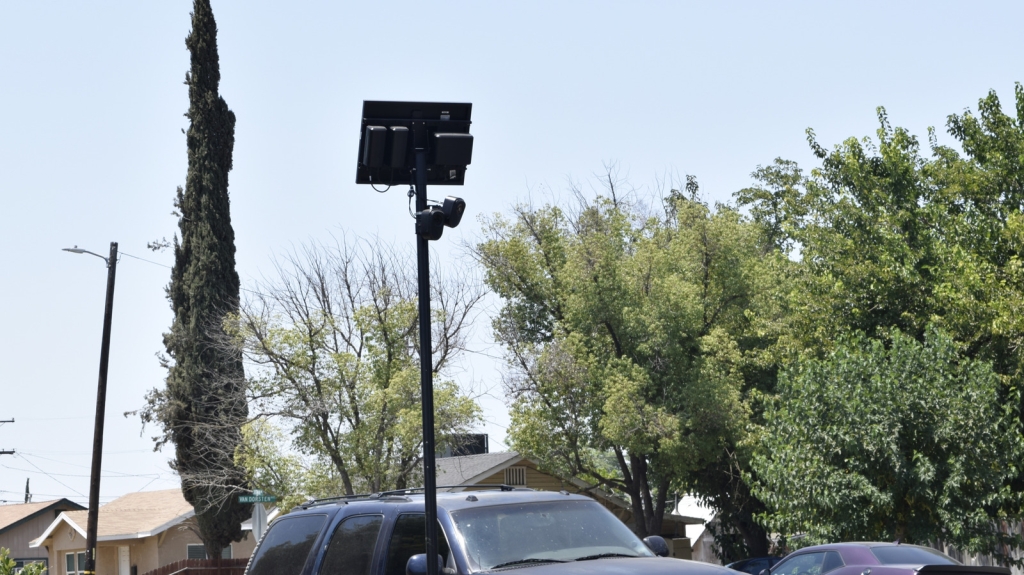
Flock Safety launched with the promise of making neighborhoods safer by helping police solve crimes faster. Their solar-powered cameras, mounted on streetlights and utility poles, automatically capture license plate images as vehicles pass by. The company markets its technology as a tool for fighting crime, reducing theft, and improving public safety.
However, what started as a seemingly innocuous public safety initiative has evolved into something far more controversial. The cameras have spread like wildfire, with installations in cities, suburbs, and small towns across America. But this rapid expansion has come at a cost—both literally and figuratively.
The Vandalism Epidemic: When Cameras Become Targets
Recent reports from across the country paint a troubling picture: Flock cameras are being systematically attacked. In Connecticut, vandals have smashed camera lenses and cut power cables. Illinois residents have reportedly climbed poles to dismantle entire units. In California and Oregon, some cameras have been found riddled with bullet holes. Virginia authorities discovered cameras deliberately knocked to the ground, their components scattered across roadways.
This isn’t random vandalism—it’s organized resistance. Community members are taking matters into their own hands, literally tearing down what they see as invasive surveillance infrastructure. The scale of these attacks suggests a coordinated effort, with incidents occurring in multiple states simultaneously.
Privacy Concerns: The Core of the Controversy
At the heart of the backlash lies a fundamental question about privacy in the digital age. Critics argue that Flock’s network creates an unprecedented surveillance apparatus that tracks innocent citizens’ movements without their consent. Unlike traditional police work that requires probable cause, these cameras monitor everyone—regardless of whether they’ve committed a crime.
Privacy advocates point out that license plate data, when aggregated over time, creates detailed movement profiles. A single plate can reveal where someone works, which doctors they visit, what political events they attend, and even their religious practices. This level of surveillance was previously impossible without physically following someone—now it’s automated and permanent.
The Constitutional Question: Is This Legal?
Many legal experts argue that Flock’s operations violate Fourth Amendment protections against unreasonable searches and seizures. The Supreme Court has ruled that people have a reasonable expectation of privacy in their movements, yet Flock’s cameras capture this information indiscriminately.
The company’s defense—that they only capture images from public roadways—doesn’t satisfy critics who argue that the aggregation and analysis of this data constitutes a search. When law enforcement can query the system to track a vehicle’s movements over weeks or months, it’s fundamentally different from a single snapshot of public activity.
Flock’s Defense: Safety Over Privacy?
Flock Safety maintains that their technology serves a noble purpose: solving crimes and keeping communities safe. The company argues that their cameras only capture license plates (not faces or other identifying information) and that most data is deleted after a short retention period.
They also point to success stories where their technology helped solve serious crimes, from recovering stolen vehicles to solving hit-and-run cases. Flock executives argue that privacy concerns are overblown and that the benefits to public safety far outweigh the minimal intrusion.
The ICE Connection: Fueling the Fire
Perhaps the most damaging revelation has been Flock’s indirect relationship with U.S. Immigration and Customs Enforcement (ICE). While Flock doesn’t have a direct contract with ICE, their cameras have been used by local law enforcement agencies to assist in immigration enforcement operations.
This connection has outraged immigrant rights advocates and privacy groups alike. They argue that Flock’s technology is being weaponized to facilitate deportations and family separations, turning what was marketed as a crime-fighting tool into an immigration enforcement mechanism.
The Legal Battle: Cities Push Back
Several cities have taken legal action against Flock, arguing that the company’s operations violate state and local privacy laws. In Illinois, one city ordered Flock cameras removed after determining they violated state surveillance statutes. Other municipalities are considering similar actions, creating a patchwork of regulations that could limit Flock’s expansion.
These legal challenges highlight the tension between federal surveillance authority and local control over public spaces. As more communities grapple with these questions, the regulatory landscape for surveillance technology remains uncertain.
The Future of Public Surveillance: Where Do We Draw the Line?
The Flock controversy represents a broader societal debate about the role of surveillance in modern life. As technology becomes more sophisticated and pervasive, communities must decide what level of monitoring they’re willing to accept in exchange for perceived safety benefits.
Some argue for a complete ban on automated license plate readers, while others advocate for strict regulations governing their use. There are also calls for greater transparency, requiring companies like Flock to disclose their data collection practices and give individuals more control over their information.
The Human Element: Why People Are Taking Action
Behind the statistics and legal arguments are real people taking real risks to resist what they see as an overreach of surveillance power. These aren’t just random acts of vandalism—they represent a growing movement of citizens who believe that privacy is worth fighting for.
From concerned parents worried about their children being tracked, to immigrants fearing deportation, to civil liberties advocates concerned about government overreach, the opposition to Flock reflects diverse but united concerns about the direction of surveillance technology.
What’s Next: The Surveillance Arms Race
As Flock faces increasing resistance, the company is developing more sophisticated technology, including cameras that can read faces and detect behaviors. This escalation raises even more profound questions about the future of public spaces and whether true anonymity will become a thing of the past.
The battle over Flock cameras is just one front in a larger war over digital privacy and surveillance. As technology continues to advance, society will need to grapple with increasingly complex questions about security, privacy, and the balance between individual rights and collective safety.
Viral Tags: #FlockSafety #LicensePlateCameras #SurveillanceState #PrivacyMatters #CivilLiberties #TechBacklash #PublicSafety #DigitalPrivacy #ImmigrationEnforcement #FourthAmendment #VandalismTrend #CommunityResistance #DataPrivacy #SmartCities #SurveillanceTechnology
Viral Phrases: “Taking down the watchers,” “Privacy is not a crime,” “Surveillance for sale,” “Your plate, their data,” “The cameras are coming down,” “ICE’s silent partner,” “Big Brother on every corner,” “Tracking without consent,” “The right to drive anonymously,” “When safety becomes surveillance,” “Breaking the camera network,” “Digital civil disobedience,” “The price of public safety,” “Eyes in the sky, fear on the ground,” “Technology run amok.”
,

Leave a Reply
Want to join the discussion?Feel free to contribute!