
Why Rivian is holding the $45,000 base model R2 until ‘late 2027’
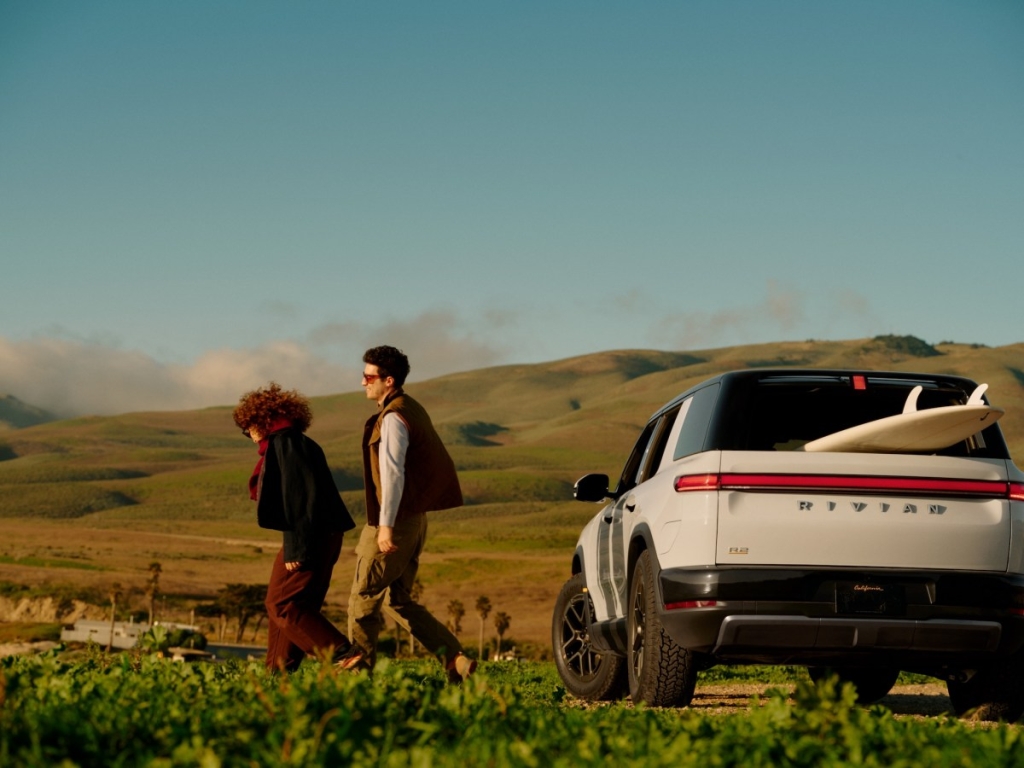
Rivian’s $45,000 Promise: Now “Around” $45,000 and Arriving in Late 2027
In a move that’s sending ripples through the EV industry, Rivian has officially confirmed that its long-promised $45,000 base model R2 SUV won’t hit the market until late 2027—and even then, it’s now being marketed as “starting around” $45,000 instead of the previously advertised “starting at” $45,000. The subtle shift in wording is raising eyebrows and sparking debates across the automotive world.
The $45,000 Promise: A Timeline of Changes
Rivian first unveiled the R2 SUV in March 2024 with much fanfare, touting a base model that would start at $45,000. The company’s website proudly displayed this price point for months, building anticipation among budget-conscious EV shoppers. However, as TechCrunch first reported in March 2025, Rivian quietly removed the “starting at $45,000” language from its website in February.
This change comes amid a perfect storm of challenges for the EV startup. The $7,500 federal EV tax credit has been eliminated. Legacy automakers have stopped buying regulatory credits from companies like Rivian, cutting off a lucrative revenue stream. President Trump’s chaotic tariffs have driven up the cost of components and materials essential for EV production.
The New Reality: What “Around $45,000” Actually Means
Rivian is now positioning the base model R2 as arriving in late 2027 with a range of approximately 275 miles. For comparison, the “Standard” R2 model launching in the first half of 2027 will start at $48,490 with up to 345 miles of range. This pricing strategy suggests Rivian is reaching the $45,000 target by reducing battery capacity—fewer batteries typically mean lower costs.
Industry analysts are already speculating that the significantly reduced range could be a deliberate upselling tactic. After all, what’s $3,000 more for an additional 70 miles of range and a better overall driving experience?
The Broader Context: Rivian’s High-Stakes Gambit
This pricing adjustment comes at a critical juncture for Rivian. The company is about to begin construction on a massive factory in Georgia where it expects to build hundreds of thousands of R2 SUVs (and eventually R3 hatchbacks). Sales of its current R1T pickup truck and R1S SUV declined in 2025, adding pressure to deliver on the R2’s promise.
Rivian is also attempting what would be one of the fastest electric vehicle launches in U.S. history with its more premium R2 models this year. The company projects sales of between 20,000 and 25,000 R2s by the end of 2026. If successful, only Tesla’s Model Y would have reached 20,000 in sales faster.
Why Start with Premium Models?
Rivian explained its strategy to TechCrunch, stating it wanted to begin with pricier performance R2 models “so owners can experience the absolute peak of the new platform first.” The company added, “Debuting with a high-spec trim is common industry practice and sets the stage for the entire lineup by showcasing the exceptional capability and acceleration that make a Rivian unmistakable, all while we scale production into our Premium and Standard configurations after.”
The Tesla Comparison: History Repeating?
Rivian’s situation bears an uncomfortable resemblance to Tesla’s Model 3 rollout. Elon Musk and Tesla spent years promising a $35,000 Model 3, but only briefly made a stripped-down version available “off-menu.” Even that plan didn’t last long, and many customers who tried to buy it were pressured into higher-trim versions.
The comparison becomes even more striking when considering the Cybertruck. Tesla first pitched the steel-clad pickup in 2019 as starting at just $40,000. When it finally launched, prices were much higher, contributing to very meager sales when combined with its controversial design.
What This Means for Rivian’s Future
The delayed and adjusted pricing of the base model R2 raises questions about Rivian’s long-term viability and strategy. The company recently agreed to pay $250 million to settle a class action shareholder lawsuit centered around how it suddenly hiked prices on its R1 vehicles in 2021.
However, there are key differences between Rivian and Tesla’s situations. The R2 is a far more approachable vehicle than the Cybertruck, and Rivian doesn’t carry the political baggage of having Elon Musk as CEO. Additionally, starting at a lower price point—even if it’s “around” rather than “at” $45,000—is still more attractive than Tesla’s approach with the Cybertruck.
The Road Ahead
Only time will tell whether the R2’s base model will follow the trajectory of the $35,000 Model 3 (which ultimately became more widely available in various configurations), the Cybertruck (which struggled to find its market), or carve out an entirely different path.
What’s clear is that Rivian is navigating extremely challenging waters. The EV market is becoming increasingly competitive, supply chain issues persist, and consumer expectations continue to evolve. The company’s ability to deliver on its promises—even if those promises are now slightly delayed and qualified—will be crucial to its survival and growth in the coming years.
As we approach 2027, all eyes will be on Rivian to see if it can finally deliver that elusive $45,000 electric SUV that so many potential buyers have been waiting for. Until then, the “around $45,000” promise remains just that—a promise that’s been adjusted, delayed, but not yet abandoned.
Tags: Rivian, R2 SUV, electric vehicles, EV pricing, $45,000 EV, Tesla Model 3, Cybertruck, EV tax credit, electric vehicle launch, Georgia factory, EV market competition
Viral Sentences:
- Rivian’s $45,000 promise now comes with a two-year delay and an “around” disclaimer
- The subtle wording change from “starting at” to “starting around” $45,000 speaks volumes
- Rivian is betting its future on one of the fastest EV launches in US history
- The base model R2’s 275-mile range might be a clever upselling strategy
- Rivian’s situation eerily mirrors Tesla’s Model 3 rollout controversy
- The Cybertruck’s $40,000 promise turned into a pricing nightmare for Tesla
- Rivian’s $250 million settlement over price hikes still looms large
- Legacy automakers cutting off regulatory credit purchases hits Rivian hard
- Trump’s tariffs are driving up EV production costs across the board
- The Georgia factory could be Rivian’s make-or-break moment
- Rivian’s strategy: start premium, then work down to the masses
- Will the R2 become the affordable EV savior or another industry cautionary tale?
- Rivian avoids Elon Musk’s political baggage but faces its own challenges
- The $7,500 EV tax credit’s elimination changes everything for startups
- 2027 can’t come soon enough for budget-conscious EV shoppers waiting on Rivian
,


Leave a Reply
Want to join the discussion?Feel free to contribute!