
Why Sierra the Supercomputer Had to Die
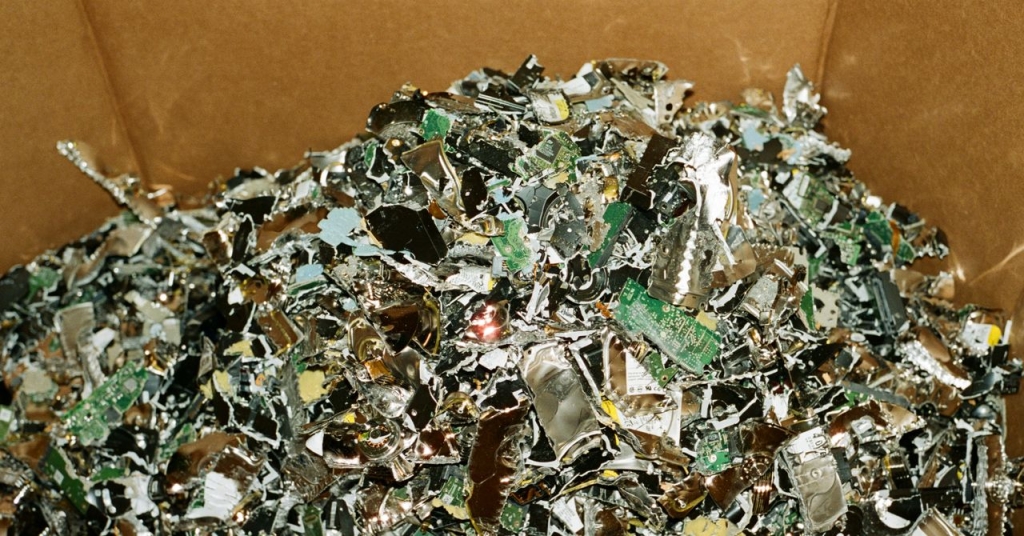
The End of an Era: How Sierra, the Supercomputer Titan, Met Her Final Shutdown
In the high-stakes world of computational supremacy, supercomputers are judged by one critical metric: their ability to perform floating-point operations per second, commonly known as flops. This raw computational power determines a machine’s worth, its ability to solve complex problems, and ultimately, its place in the pantheon of technological achievement.
Sierra was once a queen among these digital giants. At her computational peak, she could perform an astonishing 94.64 petaflops—that’s 94.64 quadrillion floating-point operations per second. To put that in perspective, that’s billions of calculations happening every single second, enabling scientists to model nuclear reactions, simulate climate patterns, and push the boundaries of human knowledge.
But in the relentless march of technological progress, even titans fall. Enter El Capitan, the new sheriff in town, capable of a mind-bending 1.809 exaflops—approximately 19 times faster than Sierra. By late 2025, El Capitan had officially claimed the title of the world’s fastest supercomputer, rendering Sierra’s once-mighty computational capabilities obsolete.
“There was no big red button, no giant lever, that turned Sierra off,” explains Dr. Marcus Neely, a senior computational scientist at Lawrence Livermore National Laboratory. “Someone could’ve just cut the cords, sure, but that’s not the recommended procedure.” The decommissioning was a carefully orchestrated process, a digital euthanasia that respected the machine’s years of service.
The process began with a series of carefully planned steps. First, Sierra’s user scientists were notified via email, given time to save their critical research and transfer their work to more capable systems. Then came the formal Do Not Resuscitate order—no new parts would be ordered, no emergency repairs attempted.
The shutdown happened in methodical phases. Compute nodes were systematically powered down, followed by rack switches. Management nodes remained operational until the very last moment, serving as the machine’s digital nervous system until the final breath.
Running specialized scripts, technicians digitally shut down the system, flipping hard power switches in a synchronized ballet of technological closure. But the process wasn’t just about turning off the power—it was about respecting the machine’s physical infrastructure.
When Sierra was operational, she generated tremendous heat, requiring thousands of gallons of water per minute to be recirculated through intricate piping systems. As she approached her final moments, these cooling systems had to be carefully drained. Safety staff meticulously tested the water, ensuring it met environmental standards before being released.
The decommissioning of Sierra represents more than just the end of a machine—it’s a testament to the rapid evolution of computational technology. In just a few years, what was once cutting-edge became obsolete, a reminder of how quickly the digital landscape transforms.
Sierra’s story is a microcosm of technological progress: birth, dominance, obsolescence, and respectful retirement. She served her purpose, pushed the boundaries of what was possible, and made way for the next generation of computational powerhouses.
As we look to the future, machines like El Capitan will continue to redefine what’s possible, solving problems we can barely imagine today. But we shouldn’t forget the giants like Sierra who paved the way, whose computational legacy lives on in the research they enabled and the knowledge they helped generate.
In the world of supercomputing, there are no eternal champions—only a continuous cycle of innovation, improvement, and respectful technological succession.
#Supercomputing #TechnologicalProgress #ComputationalPower #SierraSupercomputer #ElCapitan #DigitalEvolution #HighPerformanceComputing #TechInnovation #ComputationalLegacy #FutureOfComputing #DigitalTransformation #TechHistory #SupercomputerShutdown #ComputationalSupremacy #TechnologicalAdvancement
The final breath of a computational giant. 19 times faster. 94.64 quadrillion calculations. Digital euthanasia. Technological succession. The relentless march of progress. From queen to obsolete in a few short years. A carefully orchestrated shutdown. Respecting the machine’s physical infrastructure. The cycle of innovation continues. Pushing the boundaries of human knowledge. Making way for the next generation. No eternal champions in tech. A testament to rapid evolution. From cutting-edge to relic. The digital landscape transforms. A ballet of technological closure. The end of an era. The new sheriff in town. Respecting years of service. Methodical phases of decommissioning. The nervous system of a machine. The final breath. The legacy lives on. Paving the way for future innovations. The relentless march continues.,


Leave a Reply
Want to join the discussion?Feel free to contribute!