
Why singing, dancing and engaging with art is good for your health
Title: Groundbreaking Study Reveals How the Arts Boost Health—and the Science Behind It
In a landmark discovery that merges creativity with cutting-edge biology, researchers have uncovered the hidden mechanisms linking artistic engagement to better health. A sweeping new study led by Daisy Fancourt at University College London has identified specific proteins in the blood that change in response to creative activities—offering the first detailed biological explanation for why the arts are so good for us.
The research, published in The Lancet Planetary Health, is the largest of its kind, analyzing data from over 6,000 UK adults. Using proteomics—a technique that measures hundreds of proteins simultaneously—the team examined how engagement in the arts affects 184 proteins tied to brain function, metabolism, and inflammation.
The findings are striking: people who frequently participate in activities like dancing, singing, reading, crafting, or attending cultural events like the opera showed measurable changes in 18 specific proteins. These proteins are linked to reduced inflammation, improved brain health, and better metabolic function. Even more compelling, the study found that these biological shifts explained 16 to 38 percent of the association between arts engagement and lower risks of conditions such as heart disease, type 2 diabetes, arthritis, depression, and dementia.
“This is a game-changer,” says Fancourt. “We’ve not only confirmed that the arts are good for health—we’ve mapped the biological pathways that make it happen.”
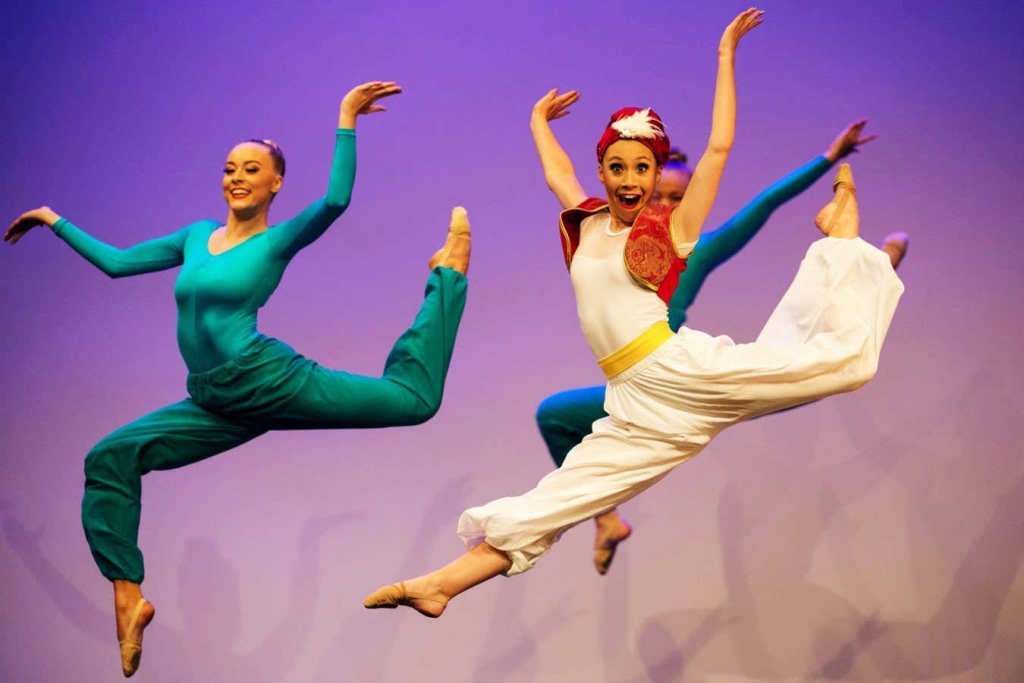
The study builds on a decade of growing evidence that creative activities have tangible health benefits. Dance programs, for instance, have been shown to help people with Parkinson’s disease walk more steadily, while children involved in the arts are less likely to experience depression. But until now, the “how” behind these benefits remained a mystery.
One of the most exciting revelations is the role of inflammation. Several of the proteins affected by arts engagement are tied to anti-inflammatory processes, suggesting that creative activities may help “rebalance” the body’s inflammatory system. This could explain why regular participation in the arts is associated with lower rates of chronic diseases and better mental health.
While the study is groundbreaking, experts caution that it captures only a single snapshot in time. “We don’t yet know how much arts exposure is needed to generate these protective effects,” notes Carmine Pariante of King’s College London. Future research will aim to track protein changes before and after specific arts activities, providing a clearer picture of causality.
The implications are profound. If engaging in the arts can be prescribed as a form of preventive medicine, it could revolutionize public health strategies. From dance classes for seniors to community theater for youth, the potential for creative interventions to improve lives is immense.
As Daryl O’Connor of the University of Leeds puts it, “This study opens up new opportunities to understand how our behaviors influence our health at a molecular level. It’s an exciting step forward.”
So, the next time you pick up a paintbrush, join a choir, or lose yourself in a novel, remember: you’re not just feeding your soul—you’re fine-tuning your biology.
Tags:
arts and health, proteomics, inflammation, brain health, creative activities, Daisy Fancourt, University College London, dance therapy, mental health, chronic disease prevention, cultural engagement, biological pathways, public health, preventive medicine, anti-inflammatory, metabolism, dementia risk, depression prevention, heart disease, type 2 diabetes, arthritis, Kings College London, University of Leeds, scientific breakthrough, viral health study, arts engagement, creative wellness, molecular biology, health innovation, community arts, cultural medicine
Viral Phrases:
“The arts are medicine for the body and soul.”
“Science confirms: creativity is a health hack.”
“Dance your way to better health—literally.”
“Painting, singing, and reading: the ultimate wellness routine.”
“Inflammation? There’s an art for that.”
“Your next gallery visit could save your life.”
“Creativity isn’t just fun—it’s biology in action.”
“The secret to longevity? A life well-lived, and well-created.”
“Arts engagement: the brain’s best friend.”
“From canvas to cells: how creativity heals.”
,

Leave a Reply
Want to join the discussion?Feel free to contribute!