
Why Some Missiles Have Wings (But Others Don’t)
Missile Evolution: Why Some Pack Wings, Others Don’t—and What It Means for the Future of Warfare
Missiles have been a cornerstone of military strategy for centuries, evolving from primitive gunpowder-propelled Chinese fire arrows in the 11th century to today’s cutting-edge, AI-guided precision weapons. Modern missiles range from short-range tactical systems to intercontinental ballistic missiles (ICBMs) capable of traversing the globe at hypersonic speeds, delivering devastating payloads. But if you’ve ever looked closely at a missile, you might have noticed a striking design choice: some are sleek and wingless, while others sport prominent fins, canards, or even full-blown wings. What’s the deal? It turns out, these features aren’t just for show—they’re critical to how a missile flies, maneuvers, and fulfills its deadly mission.
The Science Behind Missile Wings
Missile wings aren’t there for aesthetics—they’re functional engineering marvels. Much like airplane wings, they generate lift and provide stability during flight, allowing the missile to glide efficiently toward its target. This is especially important for long-range missiles, which need to conserve fuel and maintain control over extended distances. Wings also reduce the need for the missile to constantly reorient its entire body, making flight smoother and more energy-efficient.
But not all missiles need wings. Short-range missiles, which prioritize speed and agility over endurance, often forgo them to reduce drag and weight. Instead, they rely on fins or canards—small, wing-like surfaces that provide rapid control and stability. This trade-off between lift and maneuverability is a key design consideration in missile engineering.
Winged Missiles: Masters of Long-Range Precision
Some of the most iconic winged missiles in history were designed for long-duration flights that required precise steering. Take the AIM-54 Phoenix, an air-to-air missile used by the legendary F-14 Tomcat. Its wings allowed it to glide efficiently over vast distances, locking onto targets with pinpoint accuracy. Similarly, cruise missiles like the AGM-129A Advanced Cruise Missile, deployed by the B-52H Stratofortress, rely on wings to navigate complex terrains. These nuclear-capable missiles can travel over 2,000 miles, using terrain-following guidance systems to adjust altitude and position mid-flight.
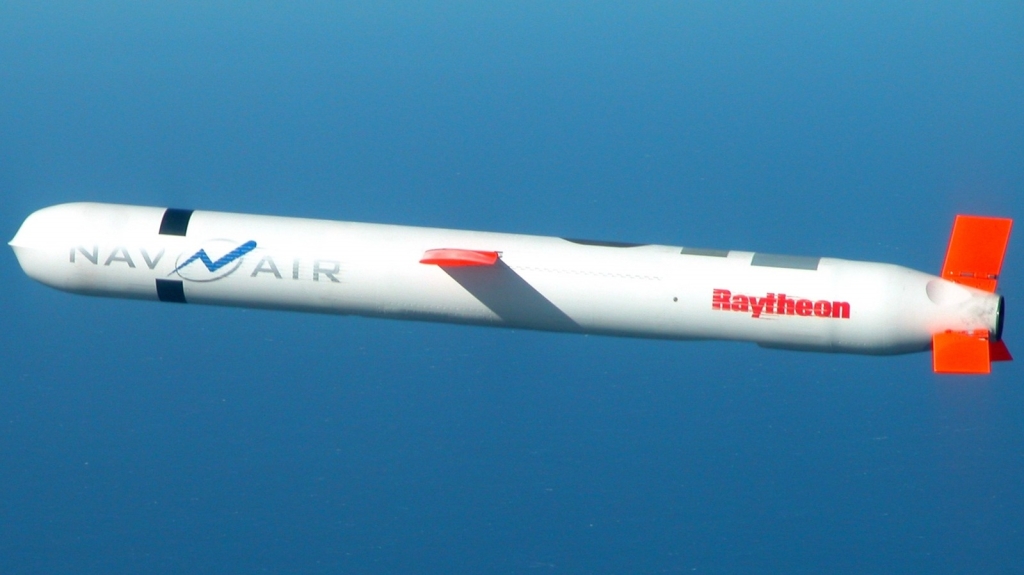
Another standout is the BGM-109 Tomahawk Land Attack Missile, a staple of modern warfare. Unlike older winged missiles, the Tomahawk features deployable wings that extend after launch, reducing drag during the initial boost phase. These narrow-chord wings provide lift during its 1,550-mile flight, making it one of the most versatile and reliable missiles in the U.S. arsenal.
The Rise of Wingless Missile Technology
While winged missiles remain prevalent, the future of missile technology is increasingly wingless. Short-range missiles, which prioritize speed and agility, often skip wings altogether to minimize drag. Instead, they rely on fins and canards for control. For example, the SA-18 Grouse, an Iranian man-portable air-defense system (MANPADS), uses tail fins and canards to steer with precision. Similarly, the U.S. PAC-3 missile, a key component of air defense systems, achieves control through its tail fins alone.
The RIM-162 Evolved Sea Sparrow Missile, designed to protect surface ships, is another example of a wingless design. With four tail fins and canards, it combines stability with thrust vectoring—a technology that directs the engine’s exhaust to control the missile’s trajectory. This approach is becoming increasingly common as engineers seek to optimize performance and reduce complexity.
Hypersonic Missiles: The Wingless Future of Warfare
The next frontier in missile technology is hypersonic speed—exceeding Mach 5 (3,836 mph). These missiles are designed to strike targets with unprecedented speed and precision, making them nearly impossible to intercept with current air defense systems. Interestingly, many hypersonic missiles are wingless, relying instead on innovative designs to generate lift and control.
Take the Russian Avangard, a hypersonic glide vehicle that rides atop an ICBM before detaching and gliding toward its target at speeds up to Mach 20 (15,345 mph). Instead of wings, it uses a triangular fuselage shape to generate lift and steer. This design allows it to maneuver unpredictably, evading defenses while maintaining blistering speed. If the claims about its capabilities are accurate, the Avangard represents a paradigm shift in missile technology—one that could render traditional air defense systems obsolete.
The Future of Missile Design
As missile technology continues to evolve, the debate between winged and wingless designs will likely persist. Wings offer unmatched efficiency for long-range missions, while wingless designs excel in speed and agility. The rise of hypersonic missiles, however, suggests that the future may belong to innovative, wingless designs that prioritize speed and maneuverability over traditional lift.
Whether winged or wingless, one thing is clear: missiles are becoming faster, smarter, and more lethal. As nations race to develop the next generation of these weapons, the stakes have never been higher. The evolution of missile technology isn’t just a story of engineering—it’s a glimpse into the future of warfare itself.
Tags & Viral Phrases:
- Missile wings explained
- Hypersonic missile technology
- Winged vs. wingless missiles
- Future of warfare
- ICBM advancements
- Cruise missile capabilities
- Canards vs. wings
- Mach 20 speed
- Avangard hypersonic missile
- Missile design evolution
- Air defense challenges
- Stealth missile technology
- Long-range missile precision
- Missile engineering breakthroughs
- Next-gen military tech
- Game-changing missile designs
- Missile speed records
- Unmanned aerial systems
- Military innovation
- Strategic missile systems
,


Leave a Reply
Want to join the discussion?Feel free to contribute!