
Why the Galaxy S26 Got a Price Hike
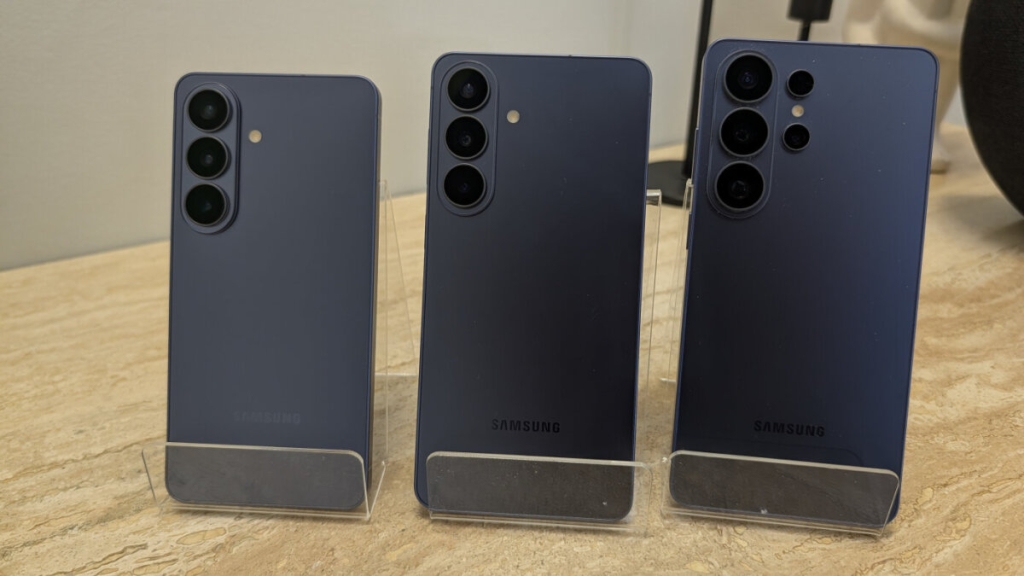
Samsung Galaxy S26 Series Price Hikes Spark Debate Among Tech Enthusiasts
The highly anticipated Samsung Galaxy S26 series has finally arrived, and while the new lineup boasts impressive upgrades, there’s a significant detail that’s causing a stir among consumers: the price increases. In a move that’s sure to raise eyebrows, Samsung has opted to bump up the prices of two models in the S26 series, leaving many to question whether the added cost is justified.
Let’s dive into the details of this price hike and what it means for potential buyers:
Galaxy S26: The Base Model’s Bold Move
The Galaxy S26, Samsung’s entry-level offering in the new lineup, has seen a substantial price increase. The base model now starts at $899, a $100 jump from its predecessor, the Galaxy S25, which debuted at $799. This price hike is particularly noteworthy as it pushes the S26 into iPhone 17 territory, potentially altering the competitive landscape in the smartphone market.
However, Samsung isn’t simply asking consumers to pay more for the same product. In an attempt to soften the blow, the company has increased the base storage of the S26 to 256GB, up from 128GB in the previous model. This move not only addresses the growing demand for storage in the age of high-resolution photos and 4K videos but also helps Samsung manage component shortages more effectively.
Despite this storage boost, the 256GB version of the S26 is still $40 more expensive than its S25 counterpart. Whether this additional cost is justified depends on how much value consumers place on the new features, including a larger battery, a new chip, and a slightly bigger display.
Galaxy S26+: The Middle Child Struggles
Perhaps the most perplexing price increase comes with the Galaxy S26+. This model now starts at $1,099, a $100 increase from the S25+. Unlike the base model, the S26+ hasn’t received any significant upgrades to justify this price hike. It retains the same 256GB base storage, 6.7-inch screen, and 50MP/12MP/10MP rear camera system as its predecessor.
The lack of compelling upgrades for the S26+ raises questions about its place in Samsung’s lineup. With the iPhone 17 Pro available at the same price point, offering Apple’s best technology (minus a slightly larger display and battery compared to the iPhone 17 Pro Max), the S26+ finds itself in an awkward position.
This pricing strategy seems to echo Apple’s decision to replace its Plus model with the more unique iPhone Air, suggesting that mid-range flagship models may be facing an identity crisis in the current smartphone market.
Galaxy S26 Ultra: The Unaffected Flagship
In contrast to its siblings, the Galaxy S26 Ultra has maintained its price point at $1, 299, the same as the S25 Ultra. This decision is likely strategic, as the Ultra model boasts the most significant upgrades and exclusive features in the S26 lineup.
The S26 Ultra offers a new chip, faster wired charging (upgraded from 45W to 60W), the innovative Privacy Display, improved nighttime photography capabilities, and access to the APV codec used in professional video shoots. These enhancements make a compelling case for consumers to opt for the Ultra model, potentially driving Samsung’s flagship sales.
The Price Hike: A Necessary Evil?
The price increases in the Galaxy S26 series reflect a broader trend in the tech industry. As artificial intelligence becomes more prevalent and demanding, components like storage, memory, and displays are becoming more expensive to produce. This, in turn, is driving up the costs of high-end smartphones.
Samsung’s pricing strategy appears to be a delicate balancing act. By raising prices on the base and mid-range models while keeping the Ultra’s price stable, the company seems to be encouraging consumers to opt for its most premium offering. This approach not only helps manage component costs but also positions the Ultra as the most attractive option in the lineup.
The Future of Smartphone Pricing
As we look ahead to Apple’s iPhone 18 launch later this year, it will be interesting to see if the tech giant follows Samsung’s lead in implementing price hikes. The smartphone market is at a crossroads, with AI integration, 5G technology, and increasingly sophisticated camera systems driving up production costs.
Consumers will need to weigh the value of these new features against the higher price tags. For some, the upgrades may justify the cost, while others might find themselves holding onto their current devices for longer or exploring more budget-friendly options.
In conclusion, the Samsung Galaxy S26 series price hikes mark a significant shift in the smartphone market. As technology continues to advance and production costs rise, we may be witnessing the end of the era of relatively stable smartphone prices. The coming months will reveal how consumers react to these changes and whether other manufacturers will follow suit in adjusting their pricing strategies.
Tags: Samsung, Galaxy S26, price hike, smartphone, technology, AI, storage, memory, display, iPhone 17, iPhone 18, components shortage, flagship, Ultra model, competitive landscape, market trends, production costs, consumer behavior.
Viral Sentences:
1. “Samsung’s Galaxy S26 series shakes up the market with unexpected price hikes!”
2. “Is the Galaxy S26 worth the extra $100? Tech enthusiasts weigh in!”
3. “Samsung’s pricing strategy: Push consumers towards the Ultra or pay more for less?”
4. “The smartphone price war heats up as Samsung and Apple battle for premium market share.”
5. “AI integration in smartphones: Are we paying for the future or just inflated prices?”
6. “Galaxy S26 Ultra maintains price, but is it enough to outshine the iPhone 17 Pro?”
7. “Storage bump or price gouge? Unpacking Samsung’s Galaxy S26 strategy.”
8. “Middle child syndrome: Why the Galaxy S26+ is struggling to find its place in the lineup.”
9. “Tech bubble burst? How rising component costs are reshaping the smartphone industry.”
10. “Upgrade or hold out? Consumers face tough choices as smartphone prices soar.”,


Leave a Reply
Want to join the discussion?Feel free to contribute!