
Why You Can’t Trust ‘Runfluencers’
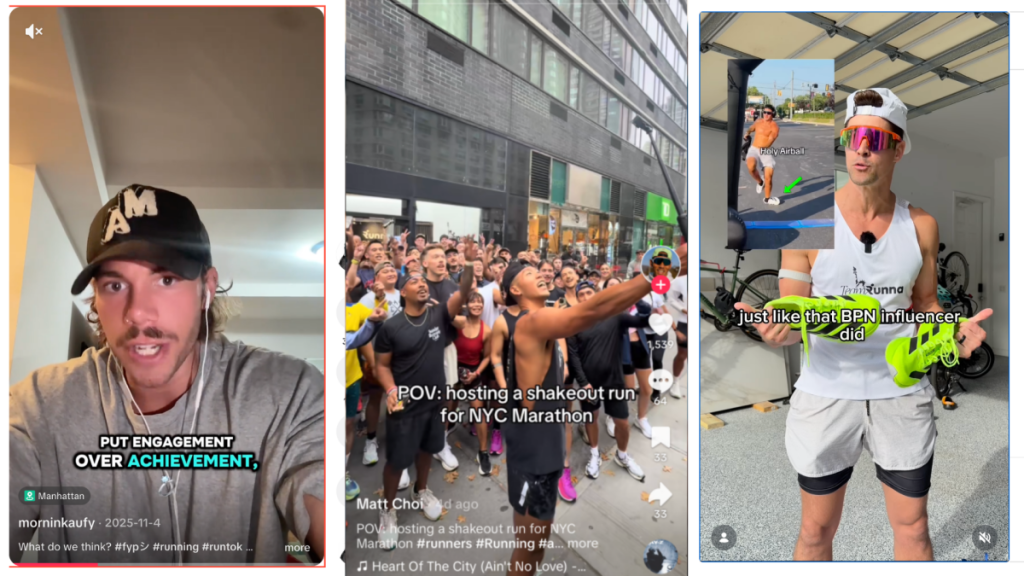
The Runfluencer Economy: How Social Media is Ruining Running Advice (and What to Do About It)
In recent years, the running community has witnessed an explosion of so-called “runfluencers” — social media personalities who share their running journeys, training tips, and gear recommendations with thousands or even millions of followers. While this democratization of running content has its benefits, there’s growing concern that the quality of advice being shared is deteriorating, potentially harming recreational runners who take these recommendations to heart.
The Rise of the Runfluencer
The phenomenon isn’t entirely new. Running influencers have existed for years, sharing their experiences and inspiring others to lace up their shoes. However, what we’re seeing now is qualitatively different. When a creator posts about their “5K race-day routine” with a caption that promises a “full breakdown,” only to discover the entire thing is sponsored by a major running app, the authenticity feels compromised.
The issue extends beyond mere sponsorship disclosures. Some runfluencers have been caught lying about their race times, creating an aspirational but ultimately false narrative. Others blame brands for their injuries when they’ve followed poorly-designed AI-generated training plans or pushed themselves too hard trying to create compelling content.
Perhaps most concerning is how the New York City Marathon has had to disqualify influencers who prioritized filming over following race rules, demonstrating how the quest for content can override basic sportsmanship and safety.
How We Got Here: The Perfect Storm
Several factors have converged to create this runfluencer economy. First, there’s been a genuine running boom post-pandemic. The New York City Marathon lottery has become more competitive than ever, and local road races are selling out faster than before. This influx of new runners naturally seeks guidance online.
Social media algorithms, however, reward specific types of content: dramatic before-and-after transformations, race-day vlogs with high production value, and even manufactured conflict between runners. These formats prioritize entertainment over education.
Professional athletes have built-in off-seasons that allow for recovery and base-building — unglamorous but essential periods that don’t translate well to content creation. Content creators, whose income depends on consistent posting, can’t afford such breaks. The result is a constant stream of “peak performance” content that doesn’t reflect the reality of sustainable training.
Brands have recognized this opportunity and invested heavily in influencer marketing. A creator with a million TikTok followers reaches exponentially more potential customers than a certified coach with 12,000 YouTube subscribers, regardless of whose advice is actually better.
The Dangerous Advice Pattern
The problems with runfluencer advice manifest in several predictable ways:
Running too fast, too often: The 80/20 rule in running states that roughly 80% of your mileage should be at easy, conversational pace, with only 20% dedicated to speed work like intervals and tempo runs. Easy runs don’t make for exciting content, so influencers often showcase their fastest workouts, implicitly encouraging followers to train at unsustainable intensities. This leads directly to overuse injuries and burnout.
Gear and training plan misinformation: Creators rarely provide unbiased assessments of expensive equipment like $200 carbon-plated shoes, especially when their income depends on positive reviews. They might recommend advanced training plans designed for elite athletes to beginners who lack the foundational fitness to handle such intensity safely.
Ignoring individual context: Real coaching involves asking questions: What’s your injury history? How many days per week can you realistically train? How much sleep are you getting? Influencer content is inherently one-directional and cannot account for individual circumstances. Worse, some advice is based on falsified performance data, creating unrealistic expectations.
How to Spot Bad Running Advice
Before incorporating someone’s training philosophy into your routine, ask these critical questions:
What are their actual credentials? Look for certifications from reputable organizations like USATF (USA Track & Field) Level 1, 2, or 3 coaching certifications, RRCA (Road Runners Club of America) certification, degrees in exercise science or sports physiology, or verifiable experience as competitive athletes. A massive follower count is not a credential.
Do they explain the “why” or just the “what”? Beware of prescriptive advice without context or caveats. Statements like “everyone should run at least five days a week” or “you should always do long runs on Sundays” without explaining the reasoning or acknowledging exceptions are red flags. Quality advice explains the principles behind recommendations.
Are sponsorships and financial relationships disclosed? While sponsorships aren’t automatically disqualifying, they should be clearly disclosed. Undisclosed sponsorships are significant red flags that suggest the creator prioritizes profit over your well-being.
Where to Find Actually Good Running Advice
Fortunately, excellent running resources exist online, most of them completely free:
Hal Higdon’s free training plans: These have been my go-to recommendation for years. Higdon has published free beginner-through-advanced marathon and half-marathon plans for decades. They’re well-structured, conservative in progression, and built on real coaching principles that have stood the test of time.
Runner’s World training plans: They offer trustworthy, downloadable plans for every level, from “Start Running” to “Sub-3-Hour Marathon” programs. Their content is typically reviewed by certified coaches and exercise physiologists.
Local running clubs: The collective knowledge in a room of experienced runners who’ve been training for years often exceeds what you’ll find in most online content. Plus, you get the benefit of community support.
Reddit running communities: Subreddits like r/AdvancedRunning and r/running have high signal-to-noise ratios, especially the advanced running community, which actively calls out misinformation. Their wikis contain solid starting resources.
The App Problem
Running apps like Runna, Nike Run Club, and Strava’s coach features aren’t inherently bad. Runna, in particular, uses a structured training model with credentialed coaches behind the programming. The issue is the influencer-marketing layer placed on top of these apps, which often creates unrealistic expectations about pace, mileage, and what progress should look like.
If you use a structured app, try to understand the training principles it’s built on, not just the workouts it assigns. Ask yourself why the app recommends certain paces or recovery periods, and whether those recommendations align with your individual circumstances.
The Bottom Line
This isn’t a call to abandon all running content online — I certainly won’t be stopping my consumption of it. There’s genuine value in seeing other people’s journeys, race experiences, and day-to-day running life. The key is distinguishing between inspirational content and instructional content.
Ask yourself the questions outlined above to identify runners you can actually trust, and don’t be afraid to tune out the noise. Your running journey is personal, and the best advice will always be tailored to your individual needs, not optimized for likes and shares.
Remember: sustainable progress in running comes from consistency, patience, and listening to your body — not from chasing viral content or the latest influencer trend.
viral tags and phrases:
- runfluencer economy
- running boom post-pandemic
- 80/20 running rule
- couch to 10K journey
- race-day vlogs
- before-and-after transformations
- running algorithm content
- influencer marketing running
- certified running coach credentials
- running injuries from bad advice
- Hal Higdon training plans
- local running club wisdom
- Reddit running communities
- running app problems
- sustainable running progress
- running content authenticity
- NYC Marathon influencer disqualifications
- AI-generated running plans
- running gear misinformation
- conversational pace running
- running burnout prevention
- running community noise
- trustworthy running advice
- running sponsorship disclosure
- individualized running coaching
- running content creation pressure
- running transformation content
- running algorithm rewards
- running brand deals
- running social media pressure
- running progress expectations
- running content vs coaching
- running community trust issues
- running advice evaluation
- running misinformation epidemic
- running content authenticity crisis
- running influencer red flags
- running advice quality control
- running community fragmentation
- running content saturation
- running advice discernment
- running community standards
- running content credibility
- running advice verification
- running community integrity
- running content responsibility
- running advice accountability
- running community education
- running content ethics
- running advice transparency
- running community trust building
- running content quality
- running advice reliability
- running community standards enforcement
- running content authenticity verification
- running advice credential checking
- running community misinformation combat
- running content critical thinking
- running advice source evaluation
- running community wisdom preservation
- running content quality control measures
- running advice authenticity verification
- running community trust restoration
- running content responsibility standards
- running advice ethical guidelines
- running community education initiatives
- running content credibility standards
- running advice verification processes
- running community integrity measures
- running content authenticity requirements
- running advice disclosure standards
- running community trust building initiatives
- running content quality benchmarks
- running advice reliability standards
- running community standards development
- running content accountability measures
- running advice transparency requirements
- running community education programs
- running content ethics guidelines
- running advice credential verification
- running community misinformation prevention
- running content critical evaluation
- running advice source verification
- running community wisdom sharing
- running content quality assurance
- running advice authenticity checking
- running community trust maintenance
- running content responsibility guidelines
- running advice ethical standards
- running community education resources
- running content credibility verification
- running advice reliability checking
- running community standards implementation
- running content accountability frameworks
- running advice transparency protocols
- running community trust building strategies
,


Leave a Reply
Want to join the discussion?Feel free to contribute!