
Will Apple’s upcoming low-cost MacBook actually be worthwhile?
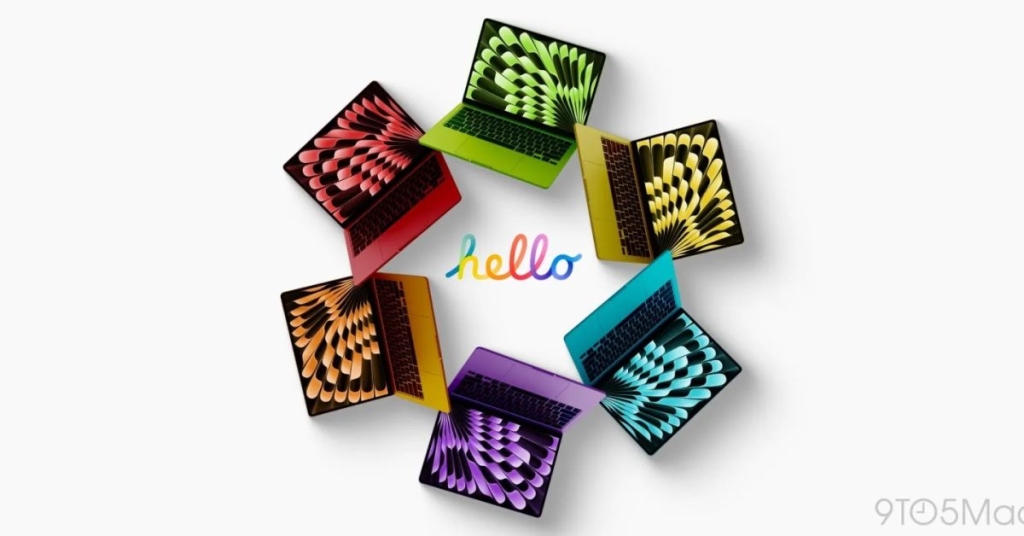
Apple’s Game-Changing Budget MacBook: A Colorful Revolution Powered by iPhone Chip
The tech world is buzzing with anticipation as Apple prepares to unveil what could be its most disruptive laptop launch in years. Sources close to the company reveal that a radically affordable MacBook, powered by the same A18 Pro chip found in the latest iPhone, is set to debut as early as next week. This isn’t just another laptop refresh—it’s Apple’s boldest move yet to democratize premium computing.
The iPhone Chip Revolution Comes to Mac
Here’s the kicker that’s got everyone talking: Apple is bringing iPhone-class silicon to the MacBook lineup. The A18 Pro chip, which delivers M1-level performance in synthetic benchmarks, will power this budget-friendly powerhouse. For years, Apple has been quietly optimizing its mobile chips for desktop-class workloads, and now we’re seeing the fruits of that labor.
Why this matters: The A18 Pro isn’t just “good enough”—it’s legitimately competitive. While it won’t match the raw multi-core performance of Apple’s latest M-series chips, the fact that it’s in the same ballpark is revolutionary for a budget device. This could be the beginning of a new era where iPhone-class chips become the standard for entry-level computing.
Design That Pops: Colors That Break the Mold
Forget silver and space gray—this MacBook is coming in a vibrant palette that includes pink, yellow, and green. Apple is clearly targeting a younger, more style-conscious demographic with these playful color options. It’s a strategic move that positions this device as a lifestyle product rather than just another tool.
The renders show a 12.9-inch display that maintains Apple’s signature Retina quality, though with some notable compromises: a 400-nit brightness (compared to 500+ on premium models), no True Tone support, and no P3 color gamut. For most users, these trade-offs will be barely noticeable in everyday use.
The Compromise Calculus
Here’s where Apple cut corners to hit that magic price point:
- Display limitations: 400-nit brightness, no True Tone, no P3 color gamut
- Charging constraints: Slower charging speeds than premium models
- Storage restrictions: Limited options with potentially slower SSD speeds
- Missing luxuries: No keyboard backlight and no N1 chip (using a cheaper Mediatek networking chip instead)
- Build quality: Still aluminum chassis, but potentially less premium finishing
The big question: Are these compromises dealbreakers? For most users, absolutely not. The iPad Air Magic Keyboard doesn’t have a backlight, and nobody’s complaining. Apple has a long history of making smart compromises that preserve the core user experience while hitting aggressive price points.
Performance That Defies Expectations
Don’t let the “iPhone chip” label fool you. The A18 Pro delivers roughly M1-level performance in synthetic benchmarks, which means it can handle everything from web browsing and document editing to light photo editing and even some gaming. It won’t replace a high-end MacBook for professional workloads, but for 90% of users, it’ll be more than sufficient.
The chip’s efficiency also means exceptional battery life—expect 12-15 hours of real-world usage, possibly even more. This is where Apple’s vertical integration really shines: the tight coupling between hardware and software means the A18 Pro can be optimized specifically for macOS in ways that generic x86 chips simply can’t match.
The Price Question: The Make-or-Break Factor
This is where the rubber meets the road. If Apple prices this at $699, it’ll be a tough sell against the M4 MacBook Air, which has dipped as low as $749 on sale. The $300 MSRP gap between this budget model and the standard MacBook Air is significant, but the performance differential might make the Air a better value for many users.
However, if Apple goes bolder with a $649 or even $599 price tag, this becomes a game-changer. At that price point, the combination of Apple’s build quality, macOS ecosystem, and surprisingly capable performance would make it incredibly difficult to justify buying anything else in this category.
The Strategic Masterstroke
This move is about more than just selling laptops. Apple is using this device to:
- Expand market share in price-sensitive segments
- Introduce new users to the Apple ecosystem at a lower barrier to entry
- Test the waters for iPhone-class chips in laptop form factors
- Create a gateway product that could lead to upgrades to higher-end MacBooks
The timing is also strategic. With Windows laptops getting cheaper and ChromeOS gaining traction, Apple needs a compelling answer for budget-conscious consumers who still want quality and reliability.
What This Means for the Future
If this launch succeeds, it could reshape the entire laptop market. We might see:
- More iPhone-class chips in Apple’s laptop lineup
- A clearer distinction between “casual” and “pro” MacBooks
- Increased pressure on Windows manufacturers to improve value propositions
- A potential new category of “Apple lifestyle laptops” with bold designs and accessible pricing
The Bottom Line
This isn’t just another laptop—it’s a statement. Apple is saying that premium computing shouldn’t require a premium price tag. The compromises are real, but they’re also smart and strategic. For students, casual users, and anyone who wants a reliable Mac without breaking the bank, this could be the perfect device.
We’ll know for sure when Apple kicks off its product announcement week starting Monday, March 2nd, with the in-person media event on Wednesday, March 4th. One thing’s certain: the laptop market will never be the same.
viral tags and phrases: #AppleRevolution #BudgetMacBook #iPhoneChip #TechGameChanger #ColorfulComputing #AffordablePremium #MacOSForAll #SiliconEvolution #BudgetTech #AppleEcosystem #NextGenComputing #TechForAll #DigitalDemocratization #InnovationForAll #FutureOfComputing #TechDisruption #MarketTransformation #SiliconRevolution #PerformanceDemocratization #DesignRevolution #TechAccessibility #ComputingForAll #DigitalInclusion #TechEvolution #MarketDisruption #SiliconInnovation #PerformanceForAll #DesignInnovation #TechTransformation #MarketRevolution
,
Leave a Reply
Want to join the discussion?Feel free to contribute!