
Windows 11 gets multi-device Bluetooth audio, but hold on
Windows 11 Just Got a Game-Changing Audio Upgrade—Here’s What You Need to Know
Microsoft is shaking up the way we experience sound on Windows with a slick new feature that could finally put an end to the awkward “share one earbud” moments. The latest Windows 11 Insider Preview Build 26220.7051 has quietly rolled out a feature called Shared Audio, and it’s already causing a stir among tech enthusiasts and casual users alike.
If you’ve ever tried to share a song, podcast, or video with a friend—only to realize Windows stubbornly refuses to play audio through more than one Bluetooth device at a time—you’re not alone. This limitation has been a thorn in the side of Windows users for years. But now, Microsoft is ready to change the game.
What Is Shared Audio?
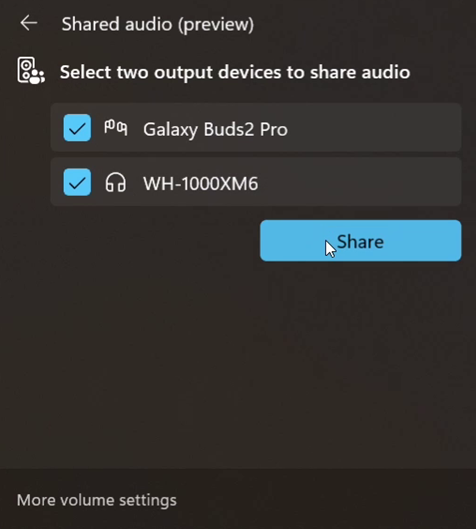
Shared Audio is exactly what it sounds like: a feature that lets you stream audio to two Bluetooth devices simultaneously. Whether you’re watching a movie with a friend on a long flight, sharing your favorite playlist at a party, or just want to enjoy a podcast with your partner without disturbing others, this update is a lifesaver.
To use it, you simply connect two compatible Bluetooth audio devices—like headphones or earbuds—to your Windows 11 PC. Then, a new “Shared Audio” tile appears in the quick settings menu. Tap it, and voila! Both devices start playing the same audio in perfect sync.
The Catch: Hardware Compatibility
Now, before you get too excited, there’s a catch. Not every device will support this feature right out of the gate. Both your audio devices and your Windows hardware need to be compatible with specific implementations of Bluetooth LE Audio. That means your headphones or earbuds should be relatively new—most models released in the last few years should work.
But the real bottleneck is on the Windows hardware side. Microsoft has been very selective about which devices can use Shared Audio at launch. Currently, only the latest Snapdragon-powered Surface laptops and tablets, as well as the Qualcomm-powered Samsung Galaxy Book4 Edge, are supported. Other Galaxy Book5 models with Intel Core Ultra 200 processors will get access in a later update.
This limited rollout has left many Windows users scratching their heads. After all, there’s a huge range of modern laptops and tablets out there that should theoretically support this feature. Microsoft says it’s rolling out the necessary Bluetooth drivers slowly via Windows Update, so hopefully, more devices will gain access soon.
Why the Slow Rollout?
It’s not just about flipping a switch. Shared Audio relies on cutting-edge Bluetooth drivers and firmware updates, which need to be carefully tested and deployed. Microsoft is likely taking a cautious approach to ensure stability and compatibility across a wide range of hardware.
For now, if you’re rocking one of the supported Surface or Galaxy Book devices, you’re in luck. If not, you’ll have to wait a bit longer—or hope that your favorite laptop maker pushes out the necessary updates soon.
The Bigger Picture
This update is more than just a convenience feature. It’s a sign that Microsoft is taking Windows’ audio capabilities seriously, especially as more people use their PCs for entertainment, collaboration, and communication. Shared Audio could be a game-changer for remote teams, families, and anyone who wants to share their digital experiences without compromise.
It also highlights the growing importance of Bluetooth LE Audio, a next-gen standard that promises better sound quality, lower latency, and more flexible device connections. As more hardware adopts this standard, expect to see even more innovative features like Shared Audio become commonplace.
What’s Next?
Microsoft hasn’t announced a firm timeline for when Shared Audio will hit the general Windows 11 release, but Insiders are already testing it out. If all goes well, we could see it roll out to a wider audience in the coming months.
In the meantime, if you’re eager to try it out, you can join the Windows Insider Program and grab the latest preview build. Just make sure your hardware is on the compatibility list—otherwise, you’ll be stuck sharing earbuds for a little while longer.
Final Thoughts
Shared Audio is one of those features that, once you have it, you’ll wonder how you ever lived without it. It’s simple, practical, and long overdue. While the initial rollout is limited, the potential is huge. As Microsoft continues to refine and expand support, Shared Audio could become a defining feature of the Windows 11 experience.
So, whether you’re a tech enthusiast, a casual user, or just someone who hates sharing earbuds, keep an eye on this update. The future of shared listening is here—and it’s coming to a Windows PC near you.
Tags & Viral Phrases:
- Windows 11 Shared Audio
- Bluetooth LE Audio
- Dual audio streaming
- Share audio with friends
- Windows Insider Preview
- Snapdragon Surface laptops
- Samsung Galaxy Book4 Edge
- Bluetooth headphones compatibility
- Next-gen Windows audio
- Microsoft audio upgrade
- End earbud sharing forever
- Tech game-changer
- Windows 11 audio features
- Multi-device Bluetooth audio
- Future of shared listening
- Windows 11 Insider build
- Bluetooth driver updates
- Qualcomm-powered laptops
- Intel Core Ultra 200
- Windows audio innovation
- Shared audio tile
- Quick settings menu
- Windows 11 update news
- Tech enthusiasts buzz
- Audio streaming revolution
- Microsoft cutting-edge tech
- Windows 11 compatibility list
- Bluetooth LE standard
- Low latency audio
- Better sound quality Windows
- Windows 11 entertainment
- Collaboration features Windows
- Remote team audio sharing
- Family-friendly Windows features
- Windows 11 general release
- Join Windows Insider Program
- Windows audio capabilities
- Shared listening future
- Windows 11 defining feature
,

Leave a Reply
Want to join the discussion?Feel free to contribute!