
Wispr Flow launches an Android app for AI-powered dictation
Wispr Flow’s Android Debut: A Voice-First Revolution That Could End Typing Forever
The age of endless thumb-typing might finally be drawing to a close. Wispr Flow, the AI-powered dictation startup that’s been making waves across desktop and iOS platforms, has officially launched its highly anticipated Android app today—and the implications could be nothing short of transformative for how we interact with our mobile devices.
From Desktop Darling to Mobile Maverick
Wispr Flow’s journey to Android dominance has been methodical and impressive. The company first captured attention with its Mac and Windows applications, offering users an AI-powered dictation experience that went far beyond simple voice-to-text conversion. Then, in June 2025, they conquered iOS with an app that quickly became a favorite among productivity enthusiasts.
But Android presented unique challenges. The platform’s open nature and diverse ecosystem meant Wispr Flow needed to innovate differently. Their solution? A floating bubble interface that puts powerful dictation capabilities literally at your fingertips—or rather, at your voice’s command.
“The floating bubble approach on Android is genius,” says tech analyst Maria Chen. “It’s intuitive, non-intrusive, and leverages Android’s flexibility in ways iOS simply can’t match.”
The Magic Behind the Bubble
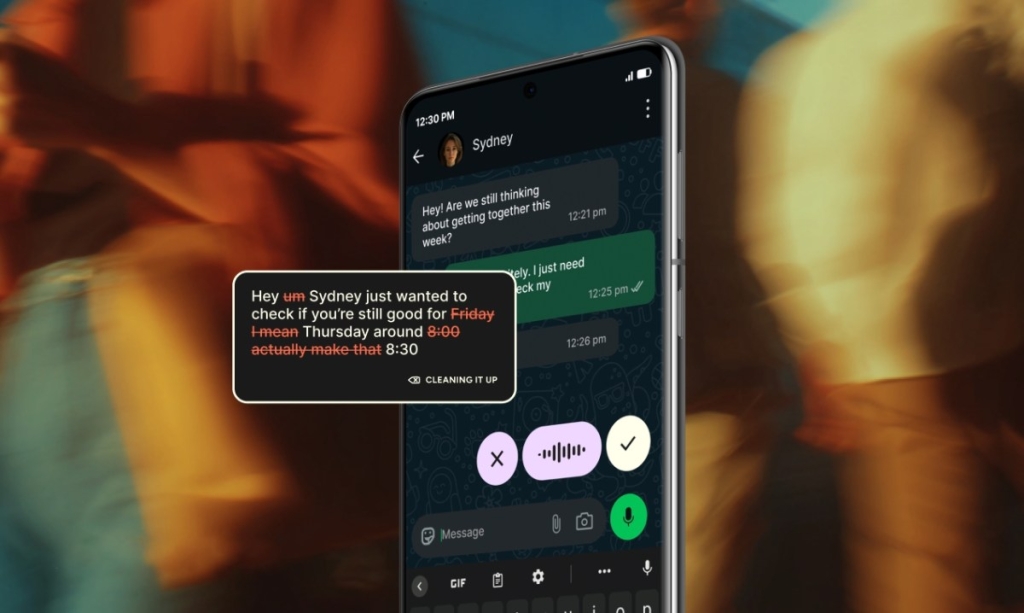
The Android implementation works with elegant simplicity. Users can summon a floating bubble that hovers over any app, ready to capture dictation at a moment’s notice. A simple hold starts the dictation process, while a tap-and-close mechanism provides precise control over when to stop. This level of granular control was previously unheard of in mobile dictation apps.
But Wispr Flow isn’t just about capturing words—it’s about understanding context. The app employs sophisticated AI to clean up filter words (those pesky “ums” and “ahs”), format text appropriately based on the target application, and even adapt its output to match the conversational tone of different platforms.
“Imagine dictating a formal email versus a casual WhatsApp message,” explains lead engineer Raj Patel. “The AI understands the context and adjusts accordingly. It’s not just transcription; it’s intelligent communication.”
Speed That Defies Belief
Perhaps most impressive is Wispr Flow’s claim of a 30% speed increase following their recent infrastructure rewrite. In the world of real-time dictation, where milliseconds matter, this represents a significant leap forward.
“We’ve rebuilt our entire backend architecture to optimize for latency,” reveals CTO Sarah Johnson. “The result is dictation that feels instantaneous—so fast that users often forget they’re not typing.”
This speed enhancement couldn’t come at a better time. As remote work becomes increasingly prevalent and mobile productivity demands skyrocket, the ability to capture thoughts quickly and accurately has never been more crucial.
Breaking Language Barriers
Wispr Flow’s support for over 100 languages positions it as a truly global solution. From Mandarin to Spanish, Arabic to Russian, the app handles linguistic diversity with remarkable proficiency. But the company’s latest innovation might be its most culturally significant yet.
Hinglish: A Game-Changer for India’s Digital Landscape
In a move that demonstrates both technical prowess and cultural awareness, Wispr Flow has introduced a dedicated model for Hinglish—the hybrid language that combines Hindi and English, widely spoken across India’s urban centers and increasingly prevalent in digital communication.
“If you’re someone like me, English and Hindi weave together when I’m chatting with family and colleagues back home,” says Tanay Kothari, co-founder and CEO of Wispr Flow. “This is one of those times when I just had to build something for me: the first voice model to actually support transcription in Hinglish instead of traditional Hindi script.”
This isn’t just a technical achievement; it’s a cultural milestone. For millions of Indians who naturally switch between Hindi and English mid-conversation, Wispr Flow’s Hinglish model finally acknowledges and supports their authentic communication style.
The implications are profound. India represents one of the world’s largest and fastest-growing smartphone markets, with over 750 million users. By supporting Hinglish, Wispr Flow has positioned itself perfectly to capture this massive market while also setting a new standard for linguistic inclusivity in AI applications.
The Numbers Don’t Lie
The traction Wispr Flow has achieved speaks volumes about its quality and appeal. Despite being in early rollout phases, users have already dictated over 1.3 million words in English alone over the past few days. This organic growth, achieved without massive marketing spend, suggests genuine user satisfaction and product-market fit.
Standing Out in a Crowded Field
The AI dictation space has become increasingly competitive, with numerous players vying for dominance. However, Wispr Flow has managed to distinguish itself through several key differentiators:
Platform Coverage: While many dictation apps focus on single platforms, Wispr Flow’s cross-platform strategy (Mac, Windows, iOS, and now Android) provides users with a consistent experience across all their devices.
AI Sophistication: The app’s ability to understand context, clean up speech patterns, and format output appropriately goes far beyond basic transcription.
Speed: The 30% improvement in dictation speed sets a new benchmark for the industry.
Cultural Intelligence: The Hinglish model demonstrates a commitment to serving diverse user bases that many competitors lack.
The Venture Capital Stamp of Approval
Wispr Flow’s technological achievements have attracted significant investor interest. In June 2025, the company raised $30 million in a funding round led by Menlo Ventures. Just five months later, in November, they secured an additional $25 million from Notable Capital.
These consecutive funding rounds, totaling $55 million in less than six months, underscore investor confidence in Wispr Flow’s vision and execution. The company has now raised $81 million in total, with its last round valuing the company at approximately $700 million according to industry sources.
“What’s particularly impressive,” notes venture capitalist Emily Watson, “is how Wispr Flow has managed to raise at such high valuations while still being in growth mode. This suggests they’ve already demonstrated significant traction and have a clear path to profitability.”
The Future of Mobile Interaction
Kothari’s bold claim that “Android finally gave us the freedom to build the voice experience we always wanted” hints at a larger vision. The company believes that when platforms get “out of the way,” voice can truly replace typing on mobile devices.
This isn’t just corporate hyperbole. The technology behind Wispr Flow represents a fundamental shift in how humans interact with machines. For decades, we’ve been constrained by the QWERTY keyboard paradigm—a layout designed for mechanical typewriters in the 1870s. Wispr Flow suggests we’re on the cusp of breaking free from these historical constraints.
“Imagine a world where you can compose an entire email, write a report, or chat with friends entirely through voice, with the output being polished and professional,” muses Kothari. “That’s the future we’re building toward.”
Challenges and Competition
Despite its impressive achievements, Wispr Flow faces significant challenges. The Android app market is notoriously competitive, and user acquisition costs can be substantial. Additionally, Google itself offers robust dictation capabilities through Gboard, its popular keyboard app.
However, Wispr Flow’s advantages—superior AI, cross-platform consistency, and cultural intelligence—provide meaningful differentiation. The company’s focus on quality over quantity, and its willingness to invest in supporting languages like Hinglish, suggest a long-term strategy that could pay significant dividends.
What This Means for Users
For everyday users, Wispr Flow’s Android launch represents a genuine upgrade to mobile productivity. Whether you’re a student taking lecture notes, a professional drafting emails, or simply someone who prefers speaking to typing, the app offers a compelling alternative to traditional input methods.
The floating bubble interface, in particular, represents a thoughtful solution to Android’s unique characteristics. Unlike iOS, which tightly controls app interactions, Android’s flexibility allows for innovative approaches like Wispr Flow’s omnipresent dictation assistant.
The Road Ahead
As Wispr Flow continues to evolve, several developments seem likely:
Expanded Language Support: Following the success of Hinglish, the company may introduce similar models for other language hybrids and regional dialects.
Deeper App Integration: Future versions might offer even more sophisticated context-aware formatting tailored to specific applications.
Offline Capabilities: While current versions require internet connectivity for AI processing, offline functionality could be a significant future enhancement.
Enterprise Features: With its growing user base and substantial funding, Wispr Flow may introduce enterprise-grade features for business users.
A Voice-First Future
Wispr Flow’s Android launch isn’t just another app release—it’s a statement about the future of human-computer interaction. By combining cutting-edge AI with thoughtful design and cultural awareness, the company is positioning itself at the forefront of a voice-first revolution.
As smartphones continue to evolve and AI capabilities advance, the distinction between speaking and typing may eventually blur entirely. Wispr Flow is betting that this future is closer than many realize, and their Android debut suggests they have the technology, vision, and execution to make it happen.
For users tired of thumb fatigue, frustrated by autocorrect errors, or simply seeking a more natural way to interact with their devices, Wispr Flow offers a compelling glimpse into what’s possible when AI truly understands human communication.
The question isn’t whether voice will replace typing—it’s how quickly it will happen. With Wispr Flow leading the charge on Android, that future might arrive sooner than anyone expected.
Tags
WisprFlow #Android #AI #Dictation #VoiceTechnology #Hinglish #MobileProductivity #TechInnovation #ArtificialIntelligence #SpeechToText #LanguageTechnology #StartupSuccess #VentureCapital #MobileApps #FutureOfWork #DigitalTransformation #IndianTech #CrossPlatform #ProductivityTools #VoiceFirst
Oraciones Virales
“Voice is the new keyboard, and Wispr Flow is writing the future”
“Say goodbye to thumb fatigue forever”
“The floating bubble that’s changing how we communicate”
“When AI finally understands how you really talk”
“1.3 million words and counting—the dictation revolution has begun”
“From Mac to Windows to iOS to Android—conquering every platform”
“Hinglish support isn’t just smart, it’s revolutionary”
“Typing is so 2020, welcome to the voice era”
“The $700 million bet on speaking instead of typing”
“Google who? When your keyboard floats above everything else”
“Dictation that’s 30% faster than before—because every millisecond counts”
“The startup that raised $81 million to make your voice heard”
“Cultural intelligence meets cutting-edge AI”
“Finally, an app that understands Indians don’t just speak English or Hindi”
“The future of mobile interaction is floating right above your screen”
“When platforms get out of the way, magic happens”
“1870s technology meets 2020s intelligence”
“The bubble that could end typing as we know it”
“Venture capitalists betting big on the sound of your voice”
,


Leave a Reply
Want to join the discussion?Feel free to contribute!