
With its fluorescent characters and ASCII text, Marathon is a masterclass in 90s nostalgia | Retro games
Marathon: A Neon-Psychedelic Journey Back to the Future
When Marathon first launched in the mid-1990s, it wasn’t just another shooter—it was a cultural phenomenon that defined an era. For those of us who lived through that golden age of gaming, Marathon wasn’t merely a game; it was the heartbeat of our late-night gaming sessions, the soundtrack to our digital adventures, and a testament to the wild, untamed spirit of early internet culture.
Back then, working as a staff writer for Edge magazine, Marathon was our multiplayer shooter of choice. We were all Apple Mac users in an era dominated by PCs, which made Bungie’s sci-fi opus one of the few networked shooters we could all play together. Every evening, after the day’s deadlines were met, the entire office would load up Marathon and lose ourselves in its immersive world for hours on end. Chemical Brothers and Orbital would blast from our stereos, creating the perfect audio backdrop for our virtual battles. This was the era when video games discovered club culture—Sony was collaborating with legendary design studios like The Designers Republic for box art, licensing the latest dance tracks for marketing campaigns, and games were becoming increasingly intertwined with the burgeoning electronic music scene.
The aesthetic was unmistakable: cyberpunk anime was flooding into Western markets through distributors like Viz Media and Manga Entertainment, and the internet was emerging as this weird, wild global meeting place that felt like something straight out of a William Gibson novel. It was a time of technological optimism, creative experimentation, and cultural cross-pollination that seemed to promise a future limited only by our imaginations.
Fast forward to today, and Bungie has resurrected Marathon with a vengeance. The new version, released this week, is a masterclass in nostalgic futurism—a game that doesn’t just reference the 1990s but fully immerses you in its aesthetic DNA. It’s now an online sci-fi extraction shooter where players beam down to the planet Tau Ceti IV to scavenge for loot, complete missions, and engage in intense firefights with other players. Think of it as a spiritual successor to Arc Raiders, with both games sharing a love for stylized retro-futurism that feels simultaneously nostalgic and fresh.
Philip Asher, Bungie’s global franchise director, has been refreshingly candid about the game’s influences. In a recent Twitter exchange, he namechecked Sony’s Wipeout game, the iconic “Mental Wealth” ads for PlayStation, and those translucent Dual Shock controllers that became status symbols in dorm rooms across the world. And let me tell you—he wasn’t exaggerating.
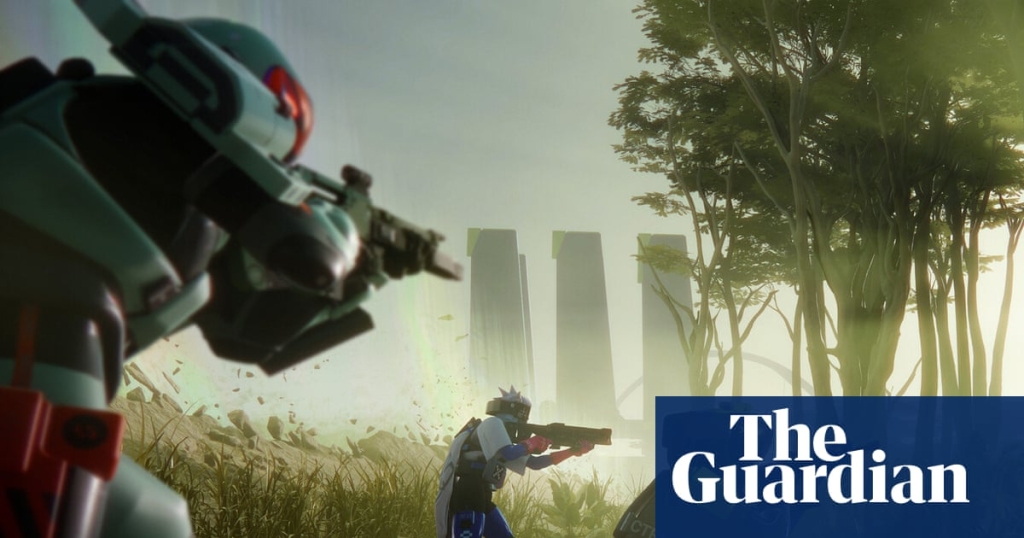
From the moment you launch the game, you’re assaulted by a sensory overload that’s both jarring and exhilarating. Discordant digital synth noises pierce through your speakers, Day-Glo colors assault your retinas, and warped pixelated images flash across your screen like a fever dream. The character models look like they’ve stepped straight out of a 90s rave, complete with spiked helmets and fluorescent gloves that wouldn’t look out of place at an underground warehouse party. The load-out screen is a chaotic explosion of retro fonts and weird icons that feels like navigating an old HTML website from the early days of the internet. Even the loading screens feature distorted videos of moths crawling over robotic faces—it’s almost incomprehensible at first, but that’s precisely the point.
As I settled into the kinetic hyper-rush of glitching images, I found myself overwhelmed by two powerful emotions: nostalgia and admiration. The nostalgia hit hard and fast—that very specific period when Johnny Mnemonic and Ghost in the Shell blasted cyberpunk visual language into mainstream consciousness, when everyone was devouring the works of Jeff Noon and Neal Stephenson, when every video game ad looked like it belonged in a Blade Runner sequel.
But beyond the nostalgia, I found myself deeply admiring how completely Bungie has committed to this aesthetic. This isn’t a game that dabbles in retro-futurism—it dives headfirst into the deep end and refuses to come up for air. The menus are crammed with ASCII text and animating images that feel like they were ripped straight from an old Geocities page. The theme extends to every visual sign and system in the game’s environments, from the architecture to the user interface elements. The fiction of the universe is packed with psychotic mega-corporations and anarchist hackers, creating a narrative tapestry that feels authentically 90s in all the best ways.
I particularly love the use of that very particular, very stately serif font—the kind that was everywhere in Japanese games of the 90s, reminiscent of Century Old Style. On the planet of Tau Ceti IV, every UESC building is loaded with boxy computer displays scrolling green text read-outs, and every piece of architecture looks like a giant MiniDisc player. It’s these little details that show the depth of Bungie’s commitment to the aesthetic.
What’s particularly striking about Marathon’s release is how it stands in stark contrast to the homogenized aesthetics that have dominated gaming and pop culture over the past five years. We’ve become accustomed to safe, marketable designs—a hint of cartoonish charm here, a bit of dystopian sci-fi bleakness there, nothing that might actually challenge or disorientate a mass audience. Marathon unapologetically injects its influences straight into your eyeballs with the subtlety of a cyberpunk sledgehammer.
This is a brave gambit, especially considering the current state of the online shooter market. We’ve seen games like Concord, XDefiant, and Highguard shut down recently, likely after months or years of iteration and extensive user testing designed to appeal to the broadest possible audience. To enter the most competitive game genre with such an uncompromising vision is, to me, wildly optimistic—perhaps even recklessly so.
But perhaps that uncompromising vision is the most nostalgic element of the Marathon enterprise. The 1990s felt like the future was cracking open in real-time—electronic dance music was exploding into the mainstream, PlayStation was advertised like some alien artifact of great technological power, the internet was fun and felt like something we all collectively owned and shaped. It was a time of genuine excitement about what technology could bring us, a sense that we were on the cusp of something transformative.
It’s weirdly poignant to be back playing Marathon now, 30 years later, after everything I’ve seen and experienced, and in a games industry that feels far less certain of itself. In the new version, the story revolves around the technological relics left behind by a once-advanced and optimistic civilization. I can’t help but think: should that really feel so relevant, so timely, so sad?
The game serves as both a celebration and a eulogy—a reminder of a time when the future felt limitless and exciting, and a commentary on how that optimism has been tempered by the realities of technological progress. It’s a game that asks us to remember not just how things looked, but how they felt—that sense of wonder, that feeling that we were all pioneers exploring uncharted digital territory together.
In an industry increasingly dominated by safe bets and proven formulas, Marathon stands as a defiant middle finger to conventional wisdom. It’s a reminder that sometimes the most powerful thing a game can do is transport us—not just to another world, but to another time, another feeling, another version of ourselves.
Tags
Marathon #Bungie #RetroFuturism #90sGaming #Cyberpunk #ExtractionShooter #TauCetiIV #NeonAesthetics #DigitalNostalgia #GamingRevolution
Viral Sentences
“Marathon doesn’t just reference the 90s—it kidnaps you and forces you to live in them”
“The most psychedelic shooter since Wipeout discovered ecstasy”
“When your game looks like a rave flyer designed by a sentient MiniDisc player”
“Bungie just dropped the most unapologetically 90s thing since dial-up internet”
“Marathon is what happens when you let the designers republic run wild with a blank check”
“The game that makes Concord look like it’s playing it safe in a padded room”
“Finally, a shooter that understands that the future used to look like a Japanese CD-ROM adventure game”
“Marathon: Because sometimes you need to inject your eyeballs with pure 1996”
“The only game where the loading screen is more interesting than most AAA campaigns”
“When your character models look like they’re about to ask if you’ve got any pills”
“Marathon proves that sometimes the best way forward is to go completely backward”
“The game that makes you miss when the internet was weird and we all owned it together”
,


Leave a Reply
Want to join the discussion?Feel free to contribute!